

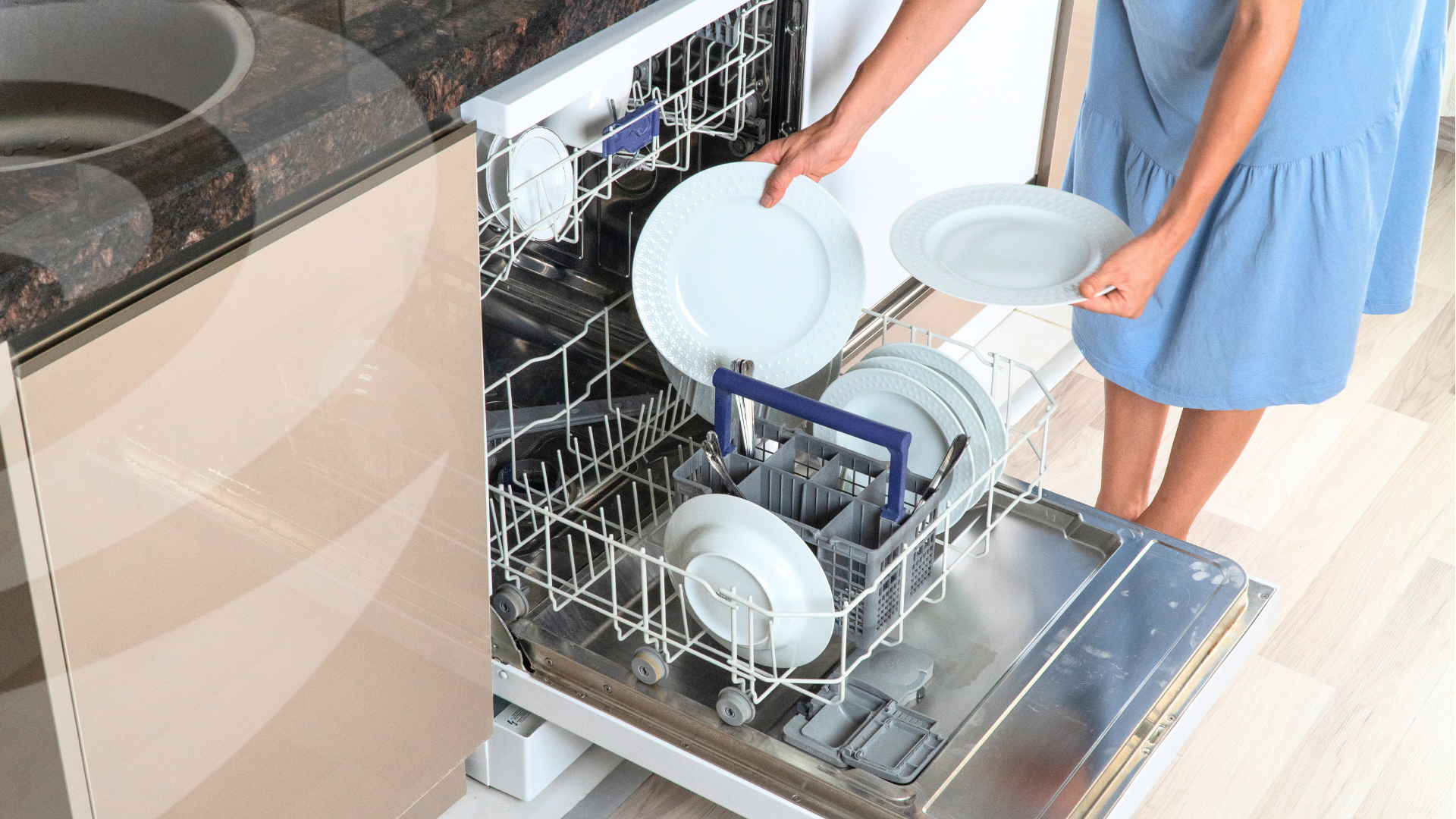
Dinner is over, the dishes are loaded, and the dishwasher is running. You're finally ready to relax when you notice something strange happening in the kitchen sink.
Water is slowly rising from the drain. Maybe there's a gurgling noise coming from the pipes. Or worse, dirty water starts collecting in the sink even though you haven't turned on the faucet.
What's going on?
If your kitchen sink backs up when the dishwasher runs, a blockage or restriction in the shared kitchen drain line may be preventing wastewater from flowing away properly. In many homes, the dishwasher and kitchen sink use the same drainage plumbing, so a problem in that line can affect both.
But a clogged kitchen drain isn't the only possible explanation. Understanding how your dishwasher drains and what the symptoms mean can help you figure out when it's time to call a professional.
Why Does My Dishwasher Cause Water to Back Up Into the Sink?
Your dishwasher doesn't just wash dishes. During each cycle, it pumps wastewater out of the appliance and into your home's drainage system.
In many kitchens, the dishwasher's drain hose connects to the garbage disposal or a dedicated dishwasher branch connection beneath the sink. From there, wastewater travels through the kitchen drain line and into the larger drainage system.
Normally, you never notice any of this happening.
But when grease, food debris or another obstruction restricts the drain line, the water may not be able to move through the pipe fast enough.
Instead, wastewater can back up into the kitchen sink.
And here's what can make the situation confusing: Your dishwasher may be working exactly as it should. The problem could be in the drain line carrying the water away.
What's Causing Your Kitchen Sink to Back Up?
A dishwasher-related sink backup doesn't always have one obvious cause. Several different issues can interfere with drainage, and some develop gradually over time.
1. Grease and Food Buildup in the Kitchen Drain
Think about everything that passes through your kitchen sink during a typical week.
Cooking oils, food scraps, sauces, soap residue and small particles from dirty dishes all make their way toward the drain.
Even when you're careful about what goes down the sink, residue can gradually accumulate inside the pipes.
Grease is particularly troublesome because it can cling to pipe walls and catch other debris. Over time, that buildup can restrict the space available for wastewater to flow.
Your sink might still drain when you're rinsing a plate. But when the dishwasher pumps water into the same line, that restriction may become much more noticeable.
2. A Clogged Garbage Disposal or Drain Connection
If your dishwasher drains through the garbage disposal, a blockage in or near the disposal's outlet could contribute to the problem.
Food debris can accumulate in the disposal or connected drain plumbing, restricting wastewater flow.
You might notice water backing up into the sink when the dishwasher drains, even though the garbage disposal still runs.
Remember, a garbage disposal doesn't make food disappear. It grinds certain food scraps into smaller pieces, but everything still has to travel through the drain.
3. A Blockage Farther Down the Kitchen Drain Line
Sometimes the problem is deeper in the pipe than you might expect.
The kitchen sink and dishwasher may both connect to a drain line with a restriction beyond their connection point.
That means checking the garbage disposal or removing visible debris near the sink opening may not address the actual blockage.
If the restriction is farther down the line, wastewater from either fixture can have trouble moving through the system.
4. A Dishwasher Drain Hose or Air Gap Problem
Not every dishwasher drainage issue starts inside the kitchen drain.
Depending on how the appliance is installed, a kinked or obstructed drain hose, clogged air gap or improperly configured drain connection can interfere with wastewater discharge.
These issues may cause water to remain inside the dishwasher, leak or discharge where it shouldn't.
An air gap or drain hose problem isn't the same as a clogged kitchen drain, and the symptoms may differ. Identifying which part of the system is affected helps determine the appropriate next step.
Why Does My Sink Only Back Up When the Dishwasher Runs?
This is often the most frustrating part.
You turn on the kitchen faucet, rinse a few dishes and watch the water disappear without a problem.
Then the dishwasher runs, and suddenly the sink starts filling up.
Why?
The difference may be how quickly wastewater enters the drain line.
A kitchen faucet may send water into the drain at a rate that a partially restricted pipe can still handle.
A dishwasher uses a pump to discharge wastewater during its drain cycles. That concentrated flow can expose a blockage that wasn't obvious when you were using the faucet.
Think of it like a narrow doorway. A few people can pass through without much trouble. But when several people try to get through at once, everything slows down.
Your kitchen drain can experience a similar problem.
And just because the water eventually disappears doesn't mean the restriction is gone.
What Are the Warning Signs of a Clogged Kitchen Drain?
A dishwasher backup isn't always the first sign that something is wrong.
Sometimes your kitchen sink has been giving you clues for days or weeks before wastewater starts appearing in the basin.
Watch for:
- Slow drainage: Water takes longer than usual to disappear from the kitchen sink.
- Gurgling sounds: You hear bubbling or unusual noises when the dishwasher drains.
- Unpleasant odors: Food debris and organic buildup may contribute to persistent drain smells.
- Recurring clogs: The sink seems to drain normally for a while, but the same problem returns.
- Water backing up: Wastewater rises into the kitchen sink when the dishwasher pumps out water.
These symptoms don't automatically mean there's a problem with your main sewer line. In many cases, the issue may be isolated to the kitchen drainage system.
Paying attention to when the backup happens and which fixtures are affected can help narrow down the possible cause.
What Should You Do When Your Dishwasher Backs Up Into the Sink?
Nobody wants to discover a sink full of dirty water after running the dishwasher.
If it happens, the first step is to stop sending more water into the affected drain.
A few precautions can help you avoid making an already frustrating situation worse:
- Stop using the dishwasher and affected sink. Continuing to send wastewater into a restricted line could contribute to additional backups or overflowing water.
- Don't keep running the disposal hoping the backup will clear. If the blockage is farther down the drain, the disposal won't remove it.
- Never reach inside the garbage disposal. If you suspect an obstruction, disconnect power before attempting any inspection and follow the manufacturer's safety instructions.
- Avoid chemical drain cleaners. These products may not reach the blockage and can create hazards for anyone working on the drain.
- Call a professional if the problem continues. A drain and sewer specialist can evaluate the symptoms and determine whether drain cleaning or further investigation is appropriate.
If the dishwasher itself isn't draining properly, the problem may involve the appliance, drain hose or connection rather than the kitchen drain line.
The important thing is identifying what's interfering with drainage instead of repeatedly dealing with the same backup.
When Should You Call a Drain Cleaning Professional?
If your kitchen sink repeatedly backs up when the dishwasher runs, drains slowly or continues to gurgle after the dishwasher finishes, it may be time to have the drain line evaluated.
At Zoom Drain, drains and sewers are our specialty.
Our expert service technicians have the training and specialized equipment to evaluate kitchen drain problems and recommend an appropriate solution.
Depending on the cause, professional drain cleaning may help remove grease, food debris or other obstructions from the line. For recurring or difficult-to-locate problems, additional diagnostic services may be recommended.
The goal is to identify what's causing the drainage issue and address it with the right service.
Don't Let a Kitchen Drain Backup Interrupt Your Day
Your dishwasher is supposed to make cleaning up easier, not leave you with another mess to handle.
Whether the issue involves grease buildup, food debris or a blockage farther down the kitchen drain, wastewater backing up into your sink is a sign that something isn't flowing the way it should.
And while the problem may only appear when the dishwasher runs, the restriction could have been developing long before you noticed it.
At Zoom Drain, we clean, inspect, maintain and repair drains and sewers. It's what we do.
Our expert service technicians are ready to help identify the source of your kitchen drain problem and recommend the right solution.
Because after a long day, the last thing you need is another mess waiting in the kitchen.
Contact your local Zoom Drain and Get Your Life Flowing Today®


.2603131429361.jpg)
