

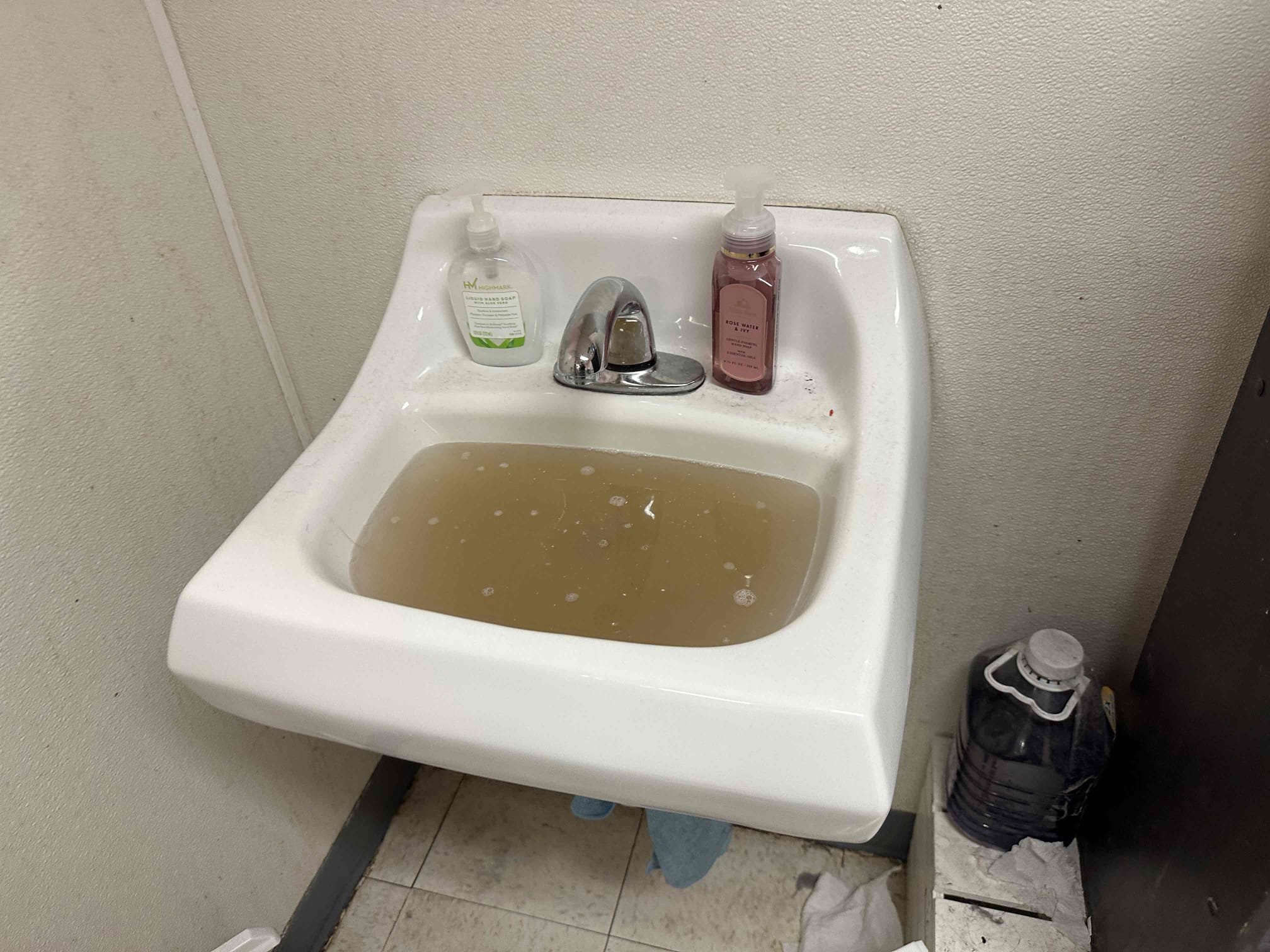
If your drain keeps clogging, there may be more going on than a one-time blockage. Common causes include grease and buildup, wipes or foreign objects, roots, a restriction farther downstream, or damaged piping. When the problem keeps returning, the important question isn't just how to open the drain again—it's why it keeps happening.
Every drain has a story. Understanding that story can make the difference between relieving today's stoppage and actually addressing what's causing it.
Why does the same drain keep clogging?
Every situation is different, but recurring clogs tend to leave clues. We want to know which drains are affected, when the problem started, how often it happens, what was done previously, and what happens when other fixtures are used.
Sometimes the cause is straightforward. Grease accumulates in a kitchen line. Hair and soap collect in a bathroom drain. Wipes—even those labeled "flushable"—combine with paper and debris. And yes, sometimes a child really did put something down the toilet.
Other times, what's going down the drain is only part of the story. Roots, aging cast iron, shifted piping, damaged drains and previous repairs can all contribute to recurring problems.
Throughout the South Bay cities, we see plenty of both.
A Real Example: One Backup, Multiple Problems
We recently responded to a retail store near LAX with a severe multiple-fixture backup. The property had experienced another stoppage only weeks earlier and had even had a toilet replaced. Now wastewater was coming up through floor drains and both restroom areas were affected.
Because it was our first visit, we approached it as a new problem rather than assuming the previous diagnosis was correct.
We located an interior main cleanout and found the line packed with wipes, paper and waste. After removing what we could directly, we used a power snake and encountered additional soft stoppages farther downstream.
Once the main line was flowing, we tested everything again.
One floor drain was still holding water. Further investigation revealed a separate problem: its drain piping was crushed.
What appeared to be one recurring clog was actually several conditions affecting the property at the same time. Restoring flow was important, but continuing to test the system is what revealed more of the story.
Why does my drain keep clogging after being snaked?
Power snaking is one of the most effective tools for relieving a drain stoppage. A cable and cutting head mechanically break through or dislodge an obstruction so the line can flow again.
But there's an important limitation.
A cutting head can't necessarily contact the entire inside surface of a pipe. Making the head too large also increases the risk of getting the equipment stuck. So a power snake can successfully relieve a stoppage without necessarily removing everything contributing to it.
That doesn't make snaking the wrong tool. It means we need to understand what we're asking the tool to accomplish.
Depending on the situation, additional cleaning with hydro jetting may be appropriate. Other times, the better next step is inspection rather than more cleaning.
When does a recurring clog need a sewer camera inspection?
Drain and sewer piping is usually out of sight and out of mind until something goes wrong. A sewer camera can help make the invisible visible.
Once conditions allow for a useful inspection, a camera may reveal roots, damaged or shifted piping, standing water, buildup and other conditions that help explain why a problem keeps returning.
But we don't believe in using a camera simply because we have one. A pipe filled with murky water isn't going to provide a useful picture, and a known hazardous condition may make sending equipment farther into the line a bad idea.
Professional diagnosis isn't about using every tool on the truck. It's about choosing the right tool for the information we need.
Does a recurring clog mean I need a new sewer line?
That depends on what we find—and on the customer.
The appropriate option could be to monitor the drain. It could be power snaking, hydro jetting or preventative maintenance. A damaged pipe may warrant a spot repair, trenchless relining or replacement.
These aren't interchangeable solutions. They address different problems, different levels of risk and different time horizons.
We like to think about today, tomorrow and farther into the future.
What gets your home or business functioning properly today? What can reduce the likelihood of another disruption tomorrow? And if there's an underlying pipe problem, what options are available to address it for the longer term?
Sometimes monitoring is a perfectly reasonable choice. But that choice should be made with the understanding that the problem may return, potentially turning a planned decision into an emergency.
What should I do if my drain keeps clogging?
A professional drain and sewer company should be willing to tell you what it knows, what it doesn't know yet, and what reasonable options are available. That includes explaining what each option can accomplish—and what it can't.
Sometimes the answer is more work than a customer hoped for. Other times, the good news is that an expensive repair isn't warranted.
Our responsibility is to investigate the problem, work within applicable plumbing requirements, and give our customers enough information to make an informed decision. The property owner ultimately decides which option is right for their circumstances.
Because the goal isn't simply to get water through the pipe once.
The goal is a drain system that performs the way you reasonably expect it to perform.
Dealing with a drain that keeps coming back?
Tell us what's been happening. We'll help diagnose the problem, explain what we find, and walk you through the available options.
Frequently Asked Questions:
Why does my drain keep clogging after being snaked?
Snaking can successfully dislodge a blockage and restore flow without necessarily removing everything inside the pipe. Buildup, roots, foreign material or a damaged section can allow the problem to return.
Does a recurring clog mean I need a new sewer line?
No. Depending on what is causing the problem, options can range from monitoring and cleaning to maintenance, targeted repair, relining or replacement.
Should a recurring clog be camera inspected?
Not automatically. A camera is valuable when seeing the condition of the pipe will help explain the problem or change the recommended solution. The line also needs to be in a condition where useful footage can be obtained.
Published: August 14, 2026
Last reviewed: August 14, 2026
South Bay Drain Guide | Zoom Drain Los Angeles
Practical drain and sewer guidance for South Bay homeowners, businesses and property managers.