

Table of Contents
- What Is Safe To Put Down The Garbage Disposal?
- What Should You Avoid Putting Down The Garbage Disposal?
- Tips to Prevent Garbage Disposal Clogs
When it comes to your kitchen garbage disposal, there are many misconceptions. Before you throw anything down your sink, it’s important to remember that garbage disposals are meant for small food scraps, not for whatever is left on your plate after a meal. Just because you use a garbage disposal doesn’t mean all of that food debris can’t still cause problems in your drain.
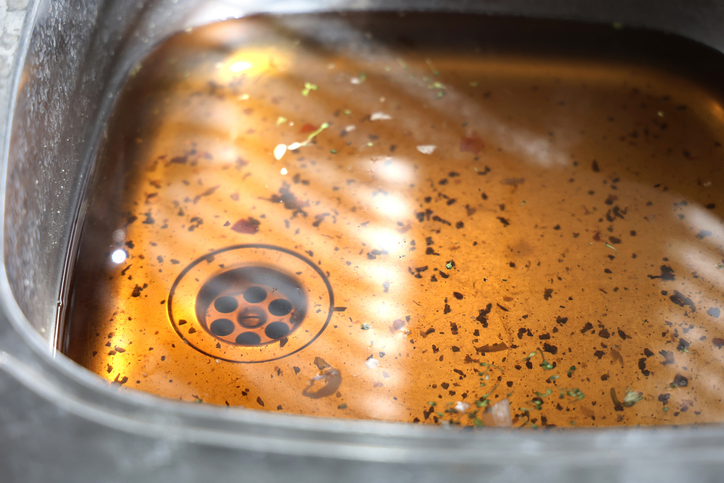
Even a few scraps too many can quickly turn into a garbage disposal clog, as shown below:
It can get a little confusing, but knowing which foods can safely go down your garbage disposal and which ones should be avoided can help prevent slow drains, clogs, and costly repairs.
In this guide, we'll walk you through what you can and can’t put down your garbage disposal, so you know exactly what to watch out for.
What Is Safe To Put Down The Garbage Disposal
A garbage disposal is designed to handle small amounts of soft, leftover food scraps left on your plates after most of the waste has been scraped into the trash. It’s not a trash can and shouldn’t be used for large amounts of food or non-food items.
A good rule to use is: if you can feed it to a baby, you can put it down your kitchen garbage disposal.
Soft foods, liquids, and finely chopped solid foods are safe, such as peeled vegetables and fruits. Just make sure they’re cut into small pieces and sent through in small batches so your garbage disposal doesn’t struggle grinding them.
Some people worry that boiling water might damage their pipes. It’s generally safe to pour boiling water down the sink, but it’s best to avoid sending it through the disposal when grease or food particles are present. Hot water can push liquefied fats farther down the drain, where they cool and form a buildup.
When in doubt, stick with cold water while the disposal is running and save boiling water for occasional flushes when the drain is clear.
Here’s a breakdown of what you can put down a garbage disposal:
- Soft fruits and vegetables: Scraps from berries, melons, cucumbers, lettuce, and zucchini.
- Citrus fruits/peels: Small pieces of lemon, lime, or orange can help freshen the disposal (just avoid packing in large amounts of thick peel).
- Small cooked meat scraps: Small, chopped pieces of cooked meat, poultry, or fish are generally fine in moderation.
- Small bones: Tiny fish or chicken bones can often be ground up, though use caution with any bones and avoid larger, dense bones completely.
- Small leftovers: Small amounts of general cooked leftovers that don’t contain problematic ingredients like a lot of fat, grease, or stringy veggies.
- Ice cubes: Grinding ice periodically helps clean the grind ring and loosen stuck food residue.
- Cold water and dish soap: Always run cold water before, during, and after using the disposal. A small amount of biodegradable dish soap helps clean away minor grease buildup.
- Soft bread scraps: Small amounts of bread, rolls, or similar soft crumbs.
- Egg whites (but not shells): Egg whites are fine to rinse away, but avoid eggshells, which can contribute to buildup.
- Boiling water (without other food particles): Occasionally running boiling water down an otherwise clear drain can help with cleaning, but don’t rely on it while grinding food or grease.
If there’s a slight funk from the food you just threw down, go ahead and put some chopped citrus, like lemons or limes, down the disposal to freshen it and eliminate odors. As for ice cubes, grinding them up will actually help to loosen any food residue that might be stuck to the blades.
What Should You Avoid Putting Down The Garbage Disposal?
Some of the worst things you can put down your garbage disposal include coffee grounds, grease, fats and oils, pasta, rice, eggshells, stringy or fibrous foods, bones, fruit pits, shellfish shells, and non-food items, all of which can congeal in your drain and lead to a backup.
Each of these, when they hit water, tends to form almost a paste or tangle around the blades. They might make it through at first, but it’s pretty likely that whatever is still lingering will build up and cause eventual problems, from slow drains to full clogs and costly damage.
Below is a breakdown of what you can't put down a garbage disposal.
Foods you shouldn’t put down the garbage disposal:
- Coffee grounds
- Grease, oil, or bacon fat
- Pasta (uncooked or large amounts)
- Rice (uncooked or large amounts)
- Eggshells
- Onion skins
- Beans (dry or cooked in large quantities)
- Bones (chicken, beef, pork, fish)
- Oatmeal (uncooked or large amounts)
- Nuts (whole or large pieces)
- Dog food or cat food
- Pumpkin (large pieces)
- Potato peels (large amounts)
- Hard seafood shells (shrimp, crab, lobster)
- Corn husks
- Celery stalks
- Artichoke leaves
- Fibrous vegetables (asparagus, kale stems)
- Large fruit pits or seeds (avocado, cherry, peach)
Non-food items to avoid putting down the garbage disposal:
- Paints
- Harsh household cleaners (certain drain cleaners and bleach)
- Paper towels, napkins, or wipes
- Plastic or metal items
- Hair
- Rubber or cloth items
It’s important to know that pouring paint or harsh household cleaners down your garbage disposal and into your drain can cause wear and lead to serious problems over time. For more information on what to keep out of your drains, check out: Is It Safe To Pour Bleach Down Your Home’s Drains.
Tips to Prevent Garbage Disposal Clogs
One of the easiest ways to help prevent garbage disposal clogs is to always run water while the disposal is on. In most cases, cold water is best, since it helps keep grease and fats solid so they can be broken up and flushed through the drain instead of sticking to your pipes.
That being said, hot water can be used in specific situations, especially when you’re grinding foods that won’t expand, such as tomatoes or citrus peels. The key is knowing when hot water helps, and when it can actually make things worse.
To keep your garbage disposal running smoothly, follow these simple tips:
- Run cold water before, during, and after using the disposal to help move food particles through the drain.
- Use hot water only for non-expanding foods, like tomatoes or citrus peels.
- Feed food scraps in small amounts, rather than dumping everything in at once.
- Let the disposal run for a few seconds after grinding to fully clear the line.
- Avoid grinding grease, fats, or oils, even with hot water running.
- Use ice cubes occasionally to help loosen stuck-on food residue inside the unit.
Have a Slow or Clogged Garbage Disposal? Zoom Drain Can Help!
Worried about what’s been going down your garbage disposal, or dealing with a slow or clogged unit? Contact your local Zoom Drain!
Our team can respond quickly and is available 24/7, 365 days a year, to help get your garbage disposal working like new again.
We handle everything from minor clogs to more serious issues, so you don’t have to stress over backups or odors.


.2604020835229.png)