

Hydro jetting can remove heavy buildup, flush debris, trim intrusive roots, and restore flow through a drain or sewer line. But there is an important distinction:
Cleaning a drain line and repairing a drain line are not the same thing.
Sometimes hydro jetting solves the immediate problem. Other times, cleaning the line allows us to discover why the problem keeps happening.
That is why we don't look only at whether water is flowing again. We want to understand what caused the problem, what condition the pipe is in, and whether the system can continue doing its job.
What Hydro Jetting Actually Does
Hydro jetting uses high-pressure water to clean the inside of a drain or sewer line. Unlike simply opening a path through a blockage, jetting can flush accumulated material out of the pipe.
Depending on the line and the obstruction, that can include grease, sludge, sediment, loose scale, debris, and other buildup. We can also use specialized nozzles to cut or trim roots that have entered a pipe.
Once that material is removed, we can test the drain and, where possible, inspect it with a camera.
That's an important part of the process because the blockage itself may have been hiding the condition that caused it.
Sometimes the Clog Is Only the Symptom
Consider a drain line filled with debris.
Initially, the obvious problem is that water isn't moving properly. Removing the debris may restore flow, but that doesn't necessarily tell us why the debris accumulated there in the first place.
Is there a broken section of pipe catching material as it passes?
Is there an offset between two sections?
Does part of the line hold water because of its slope?
Have roots entered through a joint or damaged section?
Those are very different problems, and hydro jetting cannot physically correct them.
This is where diagnosis becomes just as important as cleaning.
Why We Inspect After Hydro Jetting
Whenever conditions allow, we use a sewer camera to verify the results of the cleaning.
We may also inspect before jetting because seeing the problem can help us determine where to concentrate our efforts. But that isn't always possible.
If a line is backed up or full of dirty water, there may be very little for the camera to see. A camera can operate in wet conditions, but looking through murky standing water doesn't provide a useful view of the pipe.
In those situations, the first priority may be to relieve the blockage and clean the line. Then we can go back with the camera.
We're looking for two things:
What did the cleaning accomplish, and what condition is the pipe in now?
If camera inspection isn't practical, flow testing becomes especially important. Restoring flow and then testing the system helps us evaluate how the drain is actually performing.
Roots Are a Good Example
Roots are one of the clearest examples of the difference between cleaning and correction.
If roots are growing inside a sewer or drain line, they got there somehow. There is an opening that allowed them to infiltrate the pipe.
Hydro jetting can trim those roots back—sometimes we describe it as giving them a haircut—but it doesn't eliminate the condition that allowed the roots to enter.
And roots are persistent.
Depending on the pipe, its location, its condition, and the customer's goals, one reasonable approach may be recurring maintenance. We can clean the roots, inspect the line, establish a baseline, and see how quickly they return.
That information helps us recommend a maintenance interval based on what is actually happening rather than simply guessing at a schedule.
In other situations, the underlying pipe condition may justify discussing repair options.
What Hydro Jetting Can't Correct
Hydro jetting is an effective tool for cleaning. It doesn't change the physical alignment or structure of a pipe.
For example, cleaning cannot correct an offset where sections of pipe no longer align properly. It cannot remove a belly or low area caused by the way the line is installed or has settled. And it cannot put a broken or deteriorated pipe back together.
Those conditions don't automatically mean the entire line needs to be replaced. The appropriate next step depends on what we find, where the problem is located, how significant it is, and how the system is performing.
That's why we prefer to clean, inspect, test, and understand the system before discussing reasonable options.
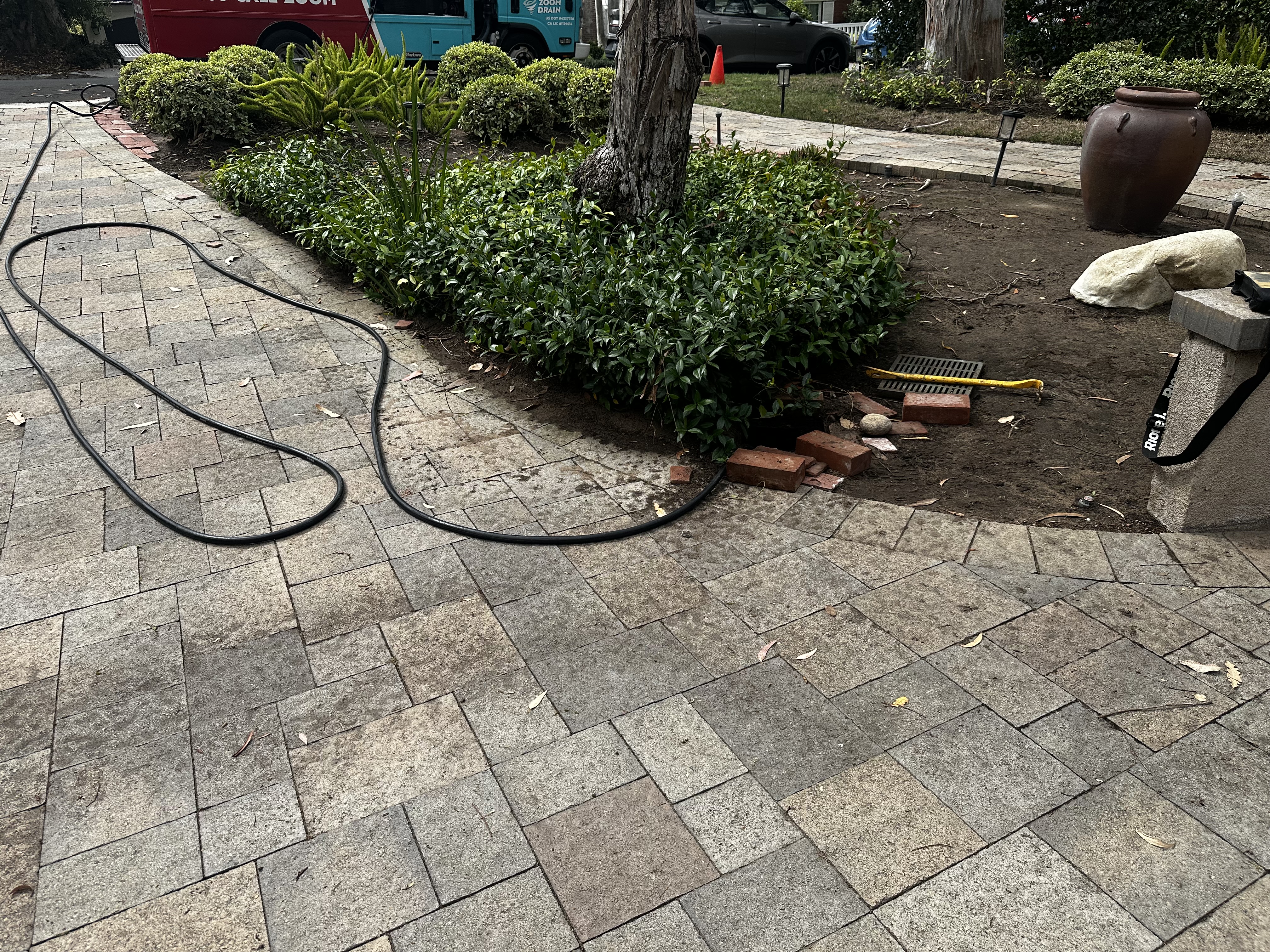
An Example in Palos Verdes Estates
We recently worked at a home in Palos Verdes Estates where the drain line contained a significant amount of debris and root cuttings.
Hydro jetting removed a great deal of that material and restored water flow. From that perspective, the cleaning was successful.
But the job wasn't finished simply because water was moving.
Once the debris had been flushed away, we were able to inspect the line more clearly. The camera revealed rips and cracks in the drain pipe that hadn't been visible through the accumulated debris.
Those damaged areas could continue catching material as it traveled downstream, contributing to another blockage.
Hydro jetting didn't cause the problem, and additional jetting couldn't repair it. Instead, cleaning the pipe allowed the underlying problem to become visible.
That is valuable information because now the homeowner can make a decision based on the actual condition of the drain rather than repeatedly treating the symptom.
The Goal Is a Drain System That Works
Whether we're dealing with a residential sewer, an exterior storm drain, or a commercial drain system, our approach is similar.
We want to understand how the system is intended to work, determine what is actually happening, clean or relieve the obstruction when appropriate, and then test the results.
Sometimes the answer is simply that the line needed a thorough cleaning.
Sometimes recurring maintenance makes sense.
And sometimes cleaning reveals a condition that should be investigated further or corrected through repair.
Hydro jetting is an important tool because it can do more than restore flow. Used as part of a thoughtful diagnostic process, it can help us clean the system, test its performance, and get a clearer picture of what is happening inside the pipe.
The important question isn't only, “Is the water moving again?”
It's also, “Why did this happen, and is the drain system ready to handle what comes next?”
For homes and businesses throughout the South Bay, that might mean the next heavy rain, a busy commercial day, or simply the normal wastewater a sewer line needs to carry every day.