

From Ancient Innovation to Modern Solutions. Sewer pipe lining (also called sewer relining) is a significant advancement in the world of plumbing and civil engineering.
Introduction – The Plight of the Sewer Pipe
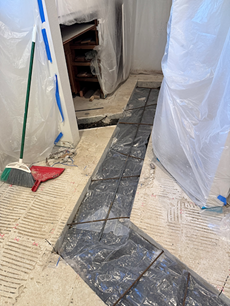 Like most things, the materials used to create sewer lines don’t last forever. Unfortunately, sewer lines have a shorter lifespan than equivalent materials above ground - they are constantly subject to both physical and chemical attacks. Sewer lines must combat pressures caused by seismic shifts, changes in above ground activity (construction and vehicles), and changes in groundwater which places strains on different areas of the pipe. On the chemical side, simply being in dirt with moisture causes chemicals and minerals found in pipes to slowly leach away over the course of many decades. Finally, the natural predator of sewer lines, the tree, is always in search for a weakness…just a little crack in the sewer line to access to its nutrient-rich sewer content.
Up until the 1970’s sewer line repair always required excavation, often cutting into concrete or asphalt, possibly tile when indoors, and then, when finished, putting it all back together again. This causes serious life disruption and expense. Imagine that sewer line deteriorating in places like Philadelphia, New York, Boston, Chicago, Paris, or London under historical structures with such cultural value that they helped define a city.
The Early Days: Ancient Sewers and Pipe Materials
The history of sewer pipe technology dates back thousands of years. Ancient civilizations, such as the Indus Valley, Romans, and Greeks, constructed elaborate underground systems using stone, clay, and brick to channel waste away from populated areas. 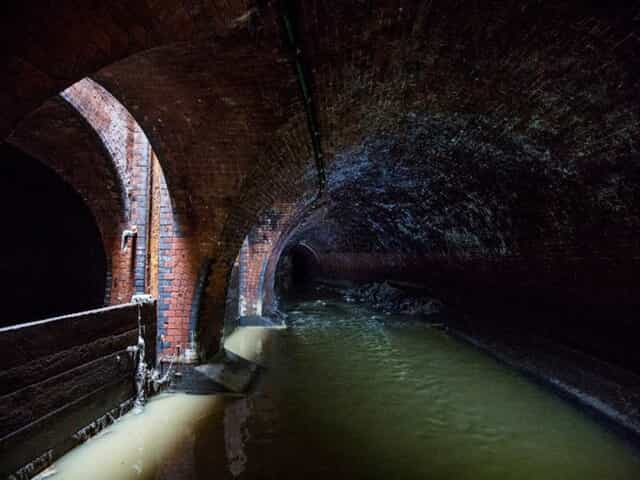 These early sewers, while rudimentary, laid the foundation for modern waste management and inspired future innovations in pipe materials and design.
Industrial Revolution and the Birth of Modern Sewers
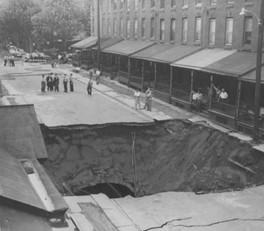 With the onset of the Industrial Revolution in the 19th century, cities across Europe and America experienced rapid population growth. Citizens flocked from farms in the countryside to the city for jobs. This led to increased demand for sanitation infrastructure. Cast iron and vitrified clay became popular materials due to their durability. However, as these pipes aged, they were prone to cracking, leakage, and root intrusion, resulting in costly repairs and environmental hazards.
The Advent of Sewer Pipelining Technology
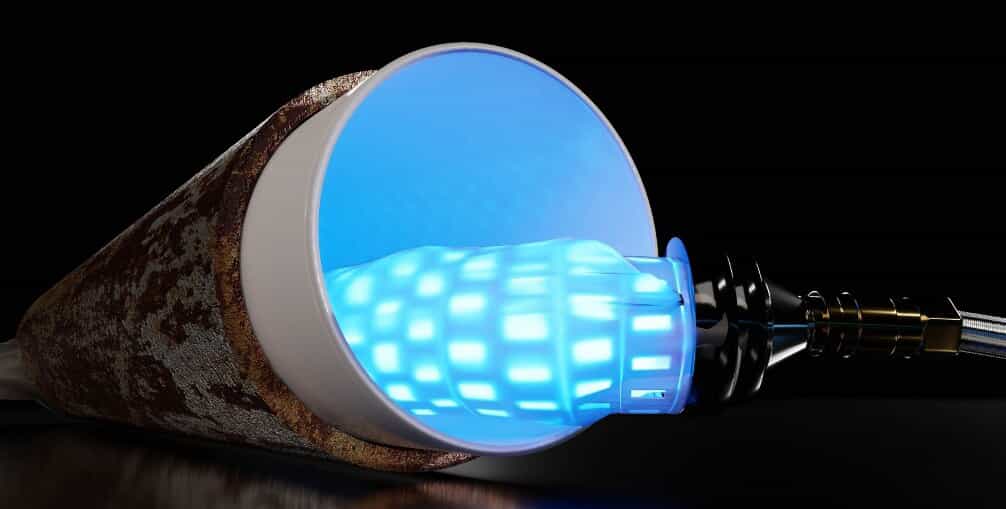
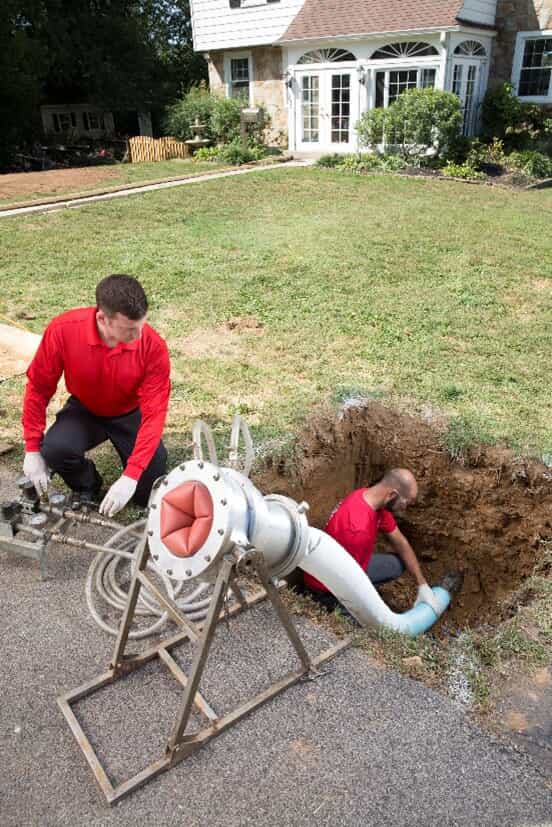 The need for a less invasive, more sustainable solution led to the development of cured-in-place pipe (CIPP) technology. Invented by Eric Wood in England, CIPP involved inserting a resin-saturated liner into the damaged pipe and curing it in place using heat or UV light. This created a seamless, jointless pipe within the existing structure, effectively repairing leaks and extending the system's lifespan.
Modern Techniques and Innovations
Today, sewer pipe lining has evolved considerably, encompassing various techniques and technologies, which include CIPP, slip lining, and pipe bursting. Innovations in resin materials, installation methods, and robotic inspection have further enhanced the reliability and versatility of pipe lining solutions. These technologies allow for the rehabilitation of residential, commercial, and municipal sewer pipes with minimal excavation, disruption, or environmental impact.
Benefits of Sewer Pipe Lining
1. Cost-Effective Repairs
Traditional pipe replacement often requires extensive digging, labor, and restoration costs. Sewer pipe lining, by contrast, uses existing pipe pathways, significantly reducing expenses related to excavation and property damage.
2. Minimal Disruption
Lining techniques are trenchless, meaning streets, landscaping, and buildings are largely undisturbed during repairs. This is especially valuable in densely populated urban areas or sites with historical significance.
3. Increased Longevity and Performance
A lined pipe adds decades to the lifespan of existing infrastructure. The smooth inner surface improves flow capacity and resists future corrosion, root intrusion, and leaks. Often the existing pipe provides additional protection and structure to lining material, further extending the life of the sewer line.
4. Environmental Sustainability
By reducing the need for new pipe materials and minimizing excavation, sewer pipe lining conserves natural resources and lowers carbon emissions due to excavation. Additionally, it prevents untreated wastewater from contaminating soil and groundwater.
Why Choose Zoom Drain for Sewer Pipe Lining?
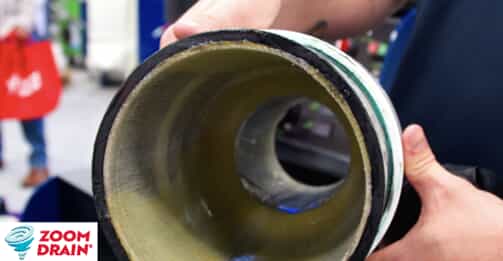
When it comes to trenchless sewer repair, experience and innovation matter. Zoom Drain has been a pioneer in pipe lining technology since our early adoption in Philadelphia, PA—and we’ve continued to lead the way nationwide.
What sets us apart?
- Proven Expertise: Our technicians are trained in the latest trenchless methods, including CIPP and advanced video inspection, ensuring precision and reliability every time.
- Direct Access to Innovation: We don’t just buy equipment—we collaborate with the engineers who design it. This partnership gives us insider knowledge and the ability to customize solutions for maximum efficiency.
- Cost-Effective Solutions: By leveraging cutting-edge technology and streamlined processes, we minimize excavation, reduce downtime, and save you money.
- Commitment to Quality: Every project is backed by rigorous standards and a satisfaction guarantee. Our goal is simple: fix it right the first time.
- Sustainability Focus: Our trenchless approach reduces environmental impact by conserving resources and preventing soil contamination.