
Are you noticing a rotten egg smell coming from your bathroom sink or a musty odor from your kitchen sink?
A bad smell coming from your sink can make your kitchen or bathroom feel dirty, no matter how much you clean. Sink odors are a common problem, and the cause is usually hidden deep inside the drain, where regular surface cleaning can’t always reach.
The good news is that most sink drain odors are easy to fix. In this guide, we’ll explain the causes of smelly sink drains, how to clean and prevent them, and when to call a professional.
Table of Contents
- Why Your Sink Smells
- Common Causes of a Smelly Sink Drain
- How to Get Rid of the Smell in Your Sink Drain
- How to Keep Sink Odors Away
- When to Call a Professional for Sink Odors
Why Your Sink Smells
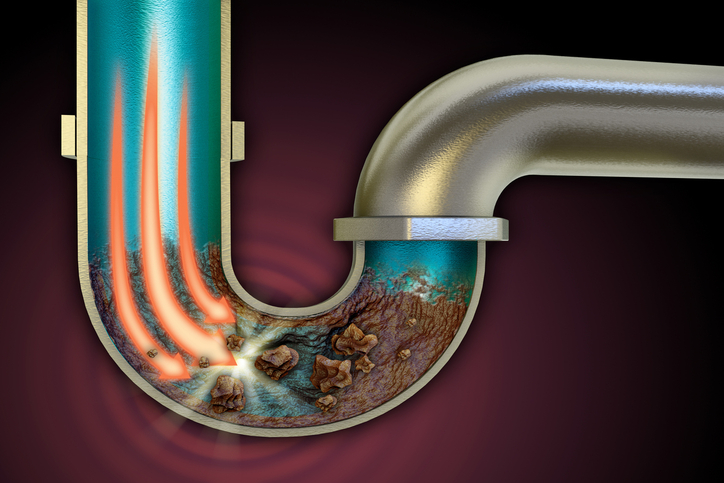
Most of the time, sink drain smells come from everyday buildup, such as food scraps, grease, hair, soap scum, or bacteria inside the pipes. As these materials break down, they can release hydrogen sulfide gas, which gives off a rotten-egg or sewage smell.
Here's a picture illustrating scum and debris buildup in a p-trap:
But sometimes, the smell isn’t just from buildup. Problems like poor drain ventilation or issues deeper in the drainage system can also let smelly sewer gases escape into your home.
While these smells are usually not dangerous at low levels, they do mean something isn’t working right with your sink drain. If you ignore them, a small issue can turn into a bigger drainage problem down the line.
Common Causes of a Smelly Sink Drain
Here are the most common reasons why your sink drain smells bad:
- Clogged or Dirty P-Trap: The P-Trap (the U-shaped pipe under your sink) holds water to prevent sewer gases from rising. If it dries out or gets clogged with buildup, such as food scraps, toothpaste, or soap, it can let hydrogen sulfide gas escape, causing the rotten egg smell in your home.
- Food Debris or Grease Buildup: In kitchen sinks, small bits of food and grease can get stuck inside the drain and break down over time, creating bad smells.
- Hair & Soap Scum: In bathroom sinks, hair and soap scum can collect inside the drain and build up over time, causing bad smells.
- Unused Drains: When a sink goes unused for a while, the water in the P-trap can dry out. Without this water barrier in the sink drain, sewer gases may come up and create bad smells. This is common in guest bathrooms or sinks you rarely use.
- Garbage Disposal Buildup: Food can get stuck in your garbage disposal, especially if you put in too much or don’t run enough water, which can lead to rotting and bad smells. Knowing what to put down your disposal helps prevent clogs and odors in your sink drain. For more tips, read our blog on what foods you should and shouldn’t put down the garbage disposal.
- Ventilation Problems: The ventilation system in your home helps remove sewer gases from your home. If a vent is blocked or damaged, smells can come back up through your sink. If you hear gurgling when water drains, it means air isn’t flowing correctly.
- Sewer Gas Leaks: A crack or disconnected pipe can let sewer gas escape through your drain, causing strong odors. This might also be a sign of a sewer backup.
- Sewer Line Blockages: When your pipes get clogged, debris can build up and cause bad odors. This often happens in flexible or ribbed drain lines, not broken plumbing. The blockage should be cleared to keep your drains smelling fresh.
- Mold Growth and Bacteria: The warm, dark, and moist conditions inside your drain create the perfect environment for mold or bacterial growth, which can cause nasty odors.
- Contaminated Water: Sometimes, the smell comes from your water, not the drain. To check, fill glasses from different sinks. If they all smell, your water may be contaminated. If only one smells, the problem is likely in that drain.
How to Get Rid of the Smell in Your Sink Drain
If your sink smells bad, try these easy ways to clean your smelly sink drain and get rid of the odor before calling a professional:
Flush Your Drain with Boiling Water
Carefully pour a pot of boiling water down your sink drain, letting it sit for a moment to work through any buildup. The hot water helps break up greasy residue and wash away food particles that may be causing odors. Afterward, run some warm tap water to help keep things moving smoothly.
Use The Baking Soda and Vinegar Method
This natural method helps break down buildup and get rid of odors in your sink drain:
- Pour 1/2 cup of baking soda down the drain.
- Follow with 1 cup of white vinegar and watch it fizz as it works.
- Cover the drain with a plug or cloth and let it sit for 10–15 minutes.
- Flush the drain with hot water to rinse away loosened debris.
- Check if the odor has improved, and repeat the process if needed.
Tip: Avoid using harsh acid-based cleaners, as they can damage your pipes and may not be safe for you.
Scrub Your Drain
Use a long-handled brush or an old toothbrush to gently scrub around your drain opening, removing grime, hair, and soap scum. This helps keep your drains flowing and cuts down on odors in your sink.
Refresh Your Garbage Disposal
If you have a garbage disposal, drop in a handful of ice cubes and a few citrus peels, then run it with cold water to freshen and clear any lingering residue.
Check and Clean Your P-Trap
Cleaning your P-trap is the best way to remove the buildup that's causing the bad smells in your bathroom or kitchen sink.
Here’s how to clean it:
- Put a bucket under the sink to catch any water or debris.
- Carefully unscrew the P-trap fittings using your hand or pliers.
- Remove the P-trap and clean out any gunk inside. Rinse it thoroughly with warm water.
- Put the P-trap back on tightly and check for leaks.
Use an Enzyme-Based Drain Cleaner
For sink drain odors caused by hair, soap, and organic buildup, an enzyme-based drain cleaner can safely break down the material without damaging your pipes.
We offer a powerful, eco-friendly solution called Zoom Drain Bio that uses natural bacteria to target and break down organic waste in your drains, helping eliminate odors and restore proper flow. Unlike harsh chemical cleaners, it’s safe for both your plumbing and septic system.
Here’s a quick guide to using one:
- Measure out the amount of cleaner recommended on the product label.
- Pour the solution into the drain.
- Let the cleaner sit for as long as the manufacturer suggests. For best results, this is usually several hours or even overnight.
- Rinse the drain thoroughly with hot water.
- If you have tough buildup, repeat the process as needed.
Be sure to read and follow the safety and usage instructions on your product to get the best results.
How to Keep Sink Odors Away
The best way to avoid sink drain odors is to prevent them from happening in the first place.
Try these easy habits to keep your kitchen and bathroom sinks clean and smelling fresh:
- After each use, run hot water to wash away soap and debris before they can build up.
- Don’t pour grease, oil, or large food scraps down your sink drain. Put them in the trash instead.
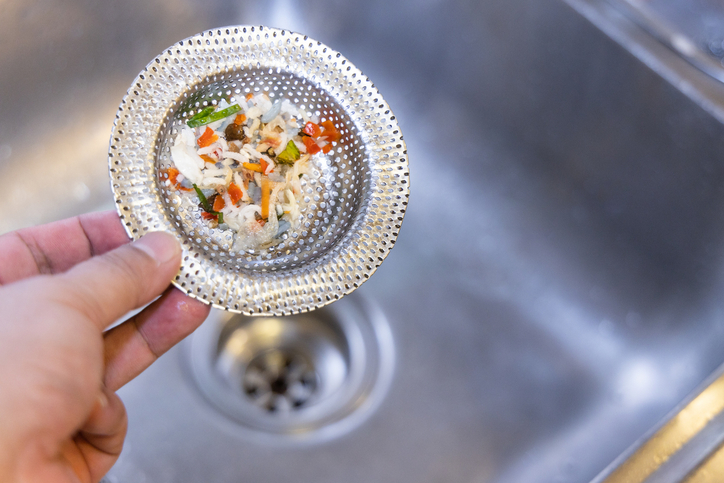
- Use a drain strainer to catch hair and food bits so they don’t cause clogs.
- Clean your garbage disposal by running ice cubes, lemon peels, and baking soda through it.
- Run water in sinks you rarely use weekly to keep the P-trap full and prevent odors.
When to Call a Professional for Sink Drain Odors
If you’ve tried cleaning and maintaining your sink but it’s still smelling, it might be time to call a professional.
Here’s when to consider calling:
- The sink odor keeps coming back, even after several deep cleans.
- Your sink drains slowly or gets clogged often.
- You notice a rotten-egg smell, which could indicate a sewer gas leak.
- Multiple sinks or drains in your home smell, pointing to a main line or larger clog.
- You see water pooling under the sink or spot leaks, which may indicate damaged pipes.
A drain and sewer specialist can inspect your system, find the cause, and recommend the solution to keep your sink smelling fresh.
Keep Your Sinks Smelling Fresh with Zoom Drain
If your sink still smells, it might be time to call in a professional. Taking care of these small issues now can save you from bigger headaches later.
At Zoom Drain, we’re here for you 24/7, 365 days a year, ready to tackle those stubborn sink drain odors whenever you need us. Our trucks are fully stocked with the tools needed to eliminate odors from your sink drains and wastewater lines, ensuring your drains flow smoothly.
Our experienced experts will come out at no cost to assess your drains and help you get rid of that drain smell for good. Contact your local Zoom Drain today!