

A Sunny July Afternoon, Then Two Inches in the Basement
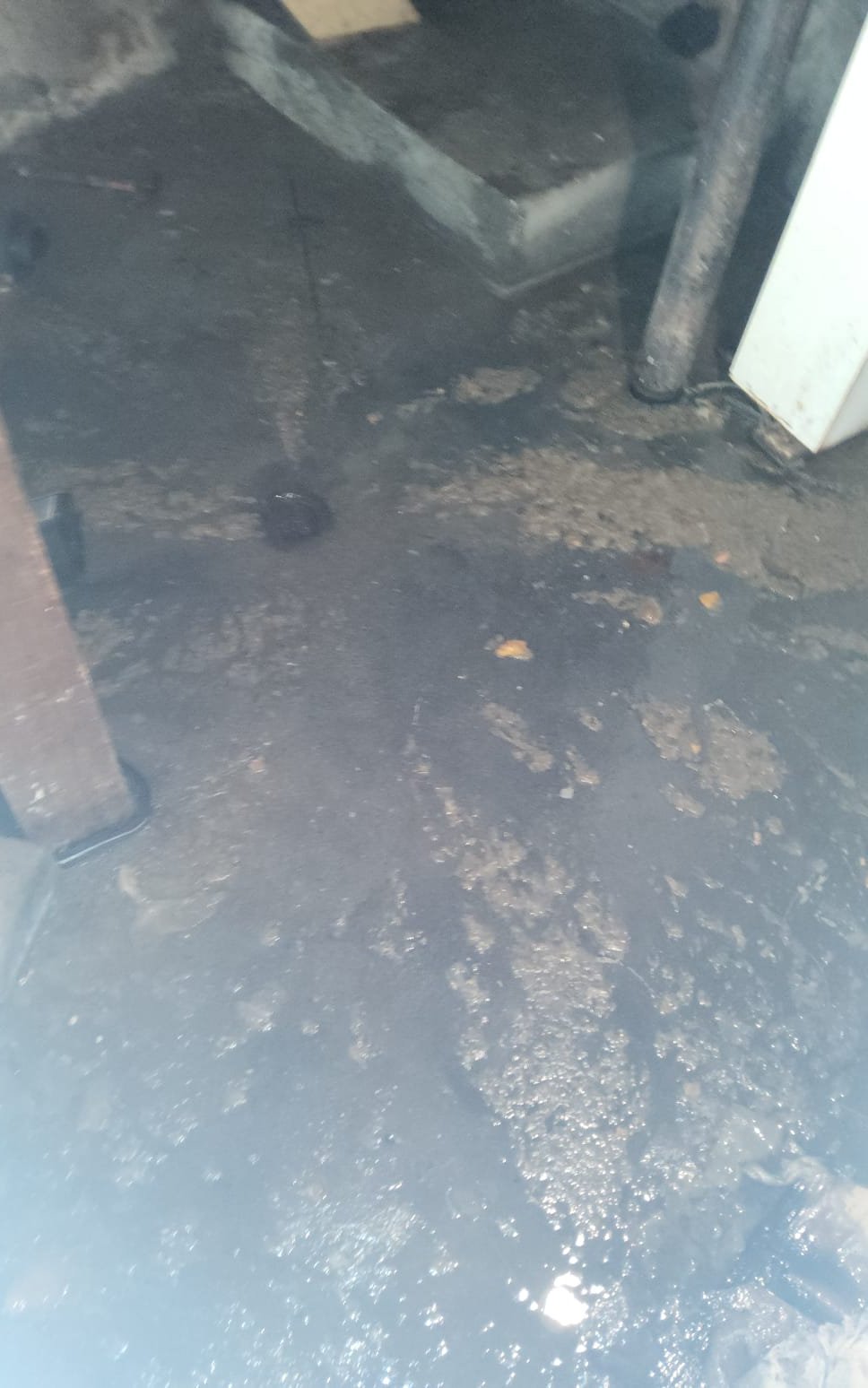
Anyone who has owned a home in Warwick for more than a couple of summers has lived through it. A hot July afternoon turns dark in twenty minutes. A fast-moving thunderstorm rolls in off Narragansett Bay or Greenwich Bay and dumps an inch of rain before it moves on. By the time the sun is back, you're walking down to the basement to find water around the boiler, the rug soaked, and that unmistakable smell rising from the floor drain.
It happens every summer in Warwick, and it's almost always preventable.
Why Warwick Is Especially Prone to Summer Sewer Issues
Warwick spans a wide range of housing stock — from historic waterfront villages to mid-century neighborhoods to newer developments — and each part of town has its own drainage challenges.
Older waterfront villages. Homes in Pawtuxet Village, Conimicut, Oakland Beach, and Buttonwoods often date back a century or more. Many still have original clay tile or early cast iron sewer laterals running to the street. During a heavy rain, the municipal system gets overwhelmed, the lateral backs up, and any crack or root intrusion in your pipe becomes a doorway for sewage into your basement.
Mid-century neighborhoods. Through Norwood, Hoxsie, Governor Francis Farms, and the older sections of Apponaug, homes built between the 1940s and 1970s often rely on a single, aging sump pump that has been running for decades. A bad capacitor, a stuck float switch, or a tired motor during a power flicker — and the basement floods.
Low-lying and coastal properties. Homes near the water and around the T.F. Green area deal with higher groundwater tables, salt corrosion on exterior pipes, and tidal influence on storm drains. Even moderate storms can overwhelm systems that work fine the rest of the year.
Newer construction in Western Warwick. Even modern homes can have improperly graded yards, silted-up exterior drains, or downspout connections that route water straight to the foundation.
Three Things You Should Do Before the Next Big Storm
Have your sewer lateral camera inspected. This is essential for any home over 40 years old, and especially for properties anywhere in Pawtuxet Village, Conimicut, or the historic Warwick core. A 30-minute video inspection shows exactly what's happening underground — root intrusion, bellied sections, cracks, and buildup. Most homeowners are genuinely surprised at what we find.
Test your sump pump now. Pour a five-gallon bucket of water into the pit. If the pump doesn't kick on right away and clear it within seconds, there's a problem. A battery-backup system is worth every dollar — the worst floods almost always happen during storms that also knock out power.
Clear your exterior drains, gutters, and downspouts. Leaves, sand, and silt build up in catch basins and downspout extensions throughout the spring. Water that can't drain at grade ends up against your foundation — and from there, into your basement.
What Professional Drain Service Looks Like
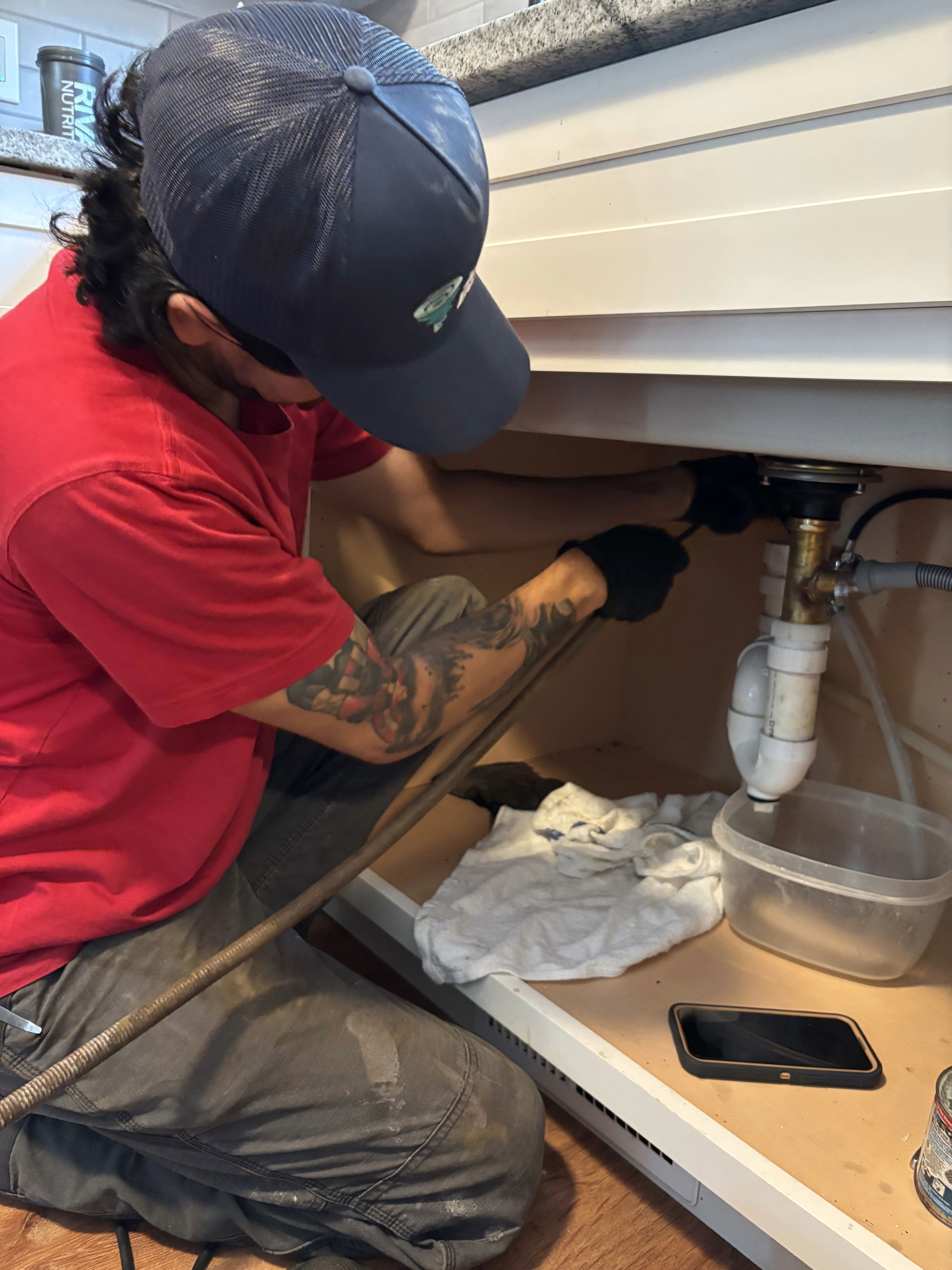
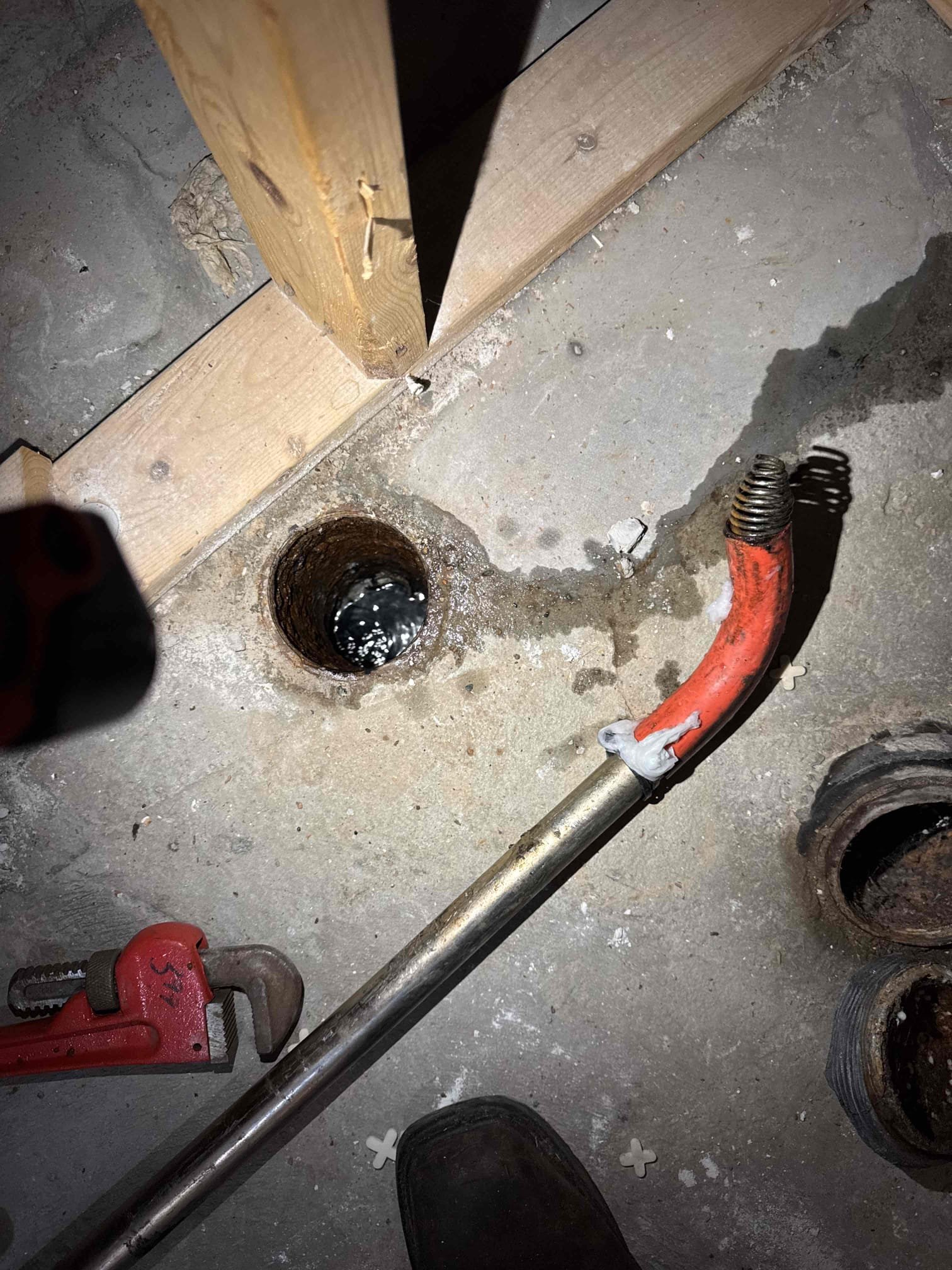
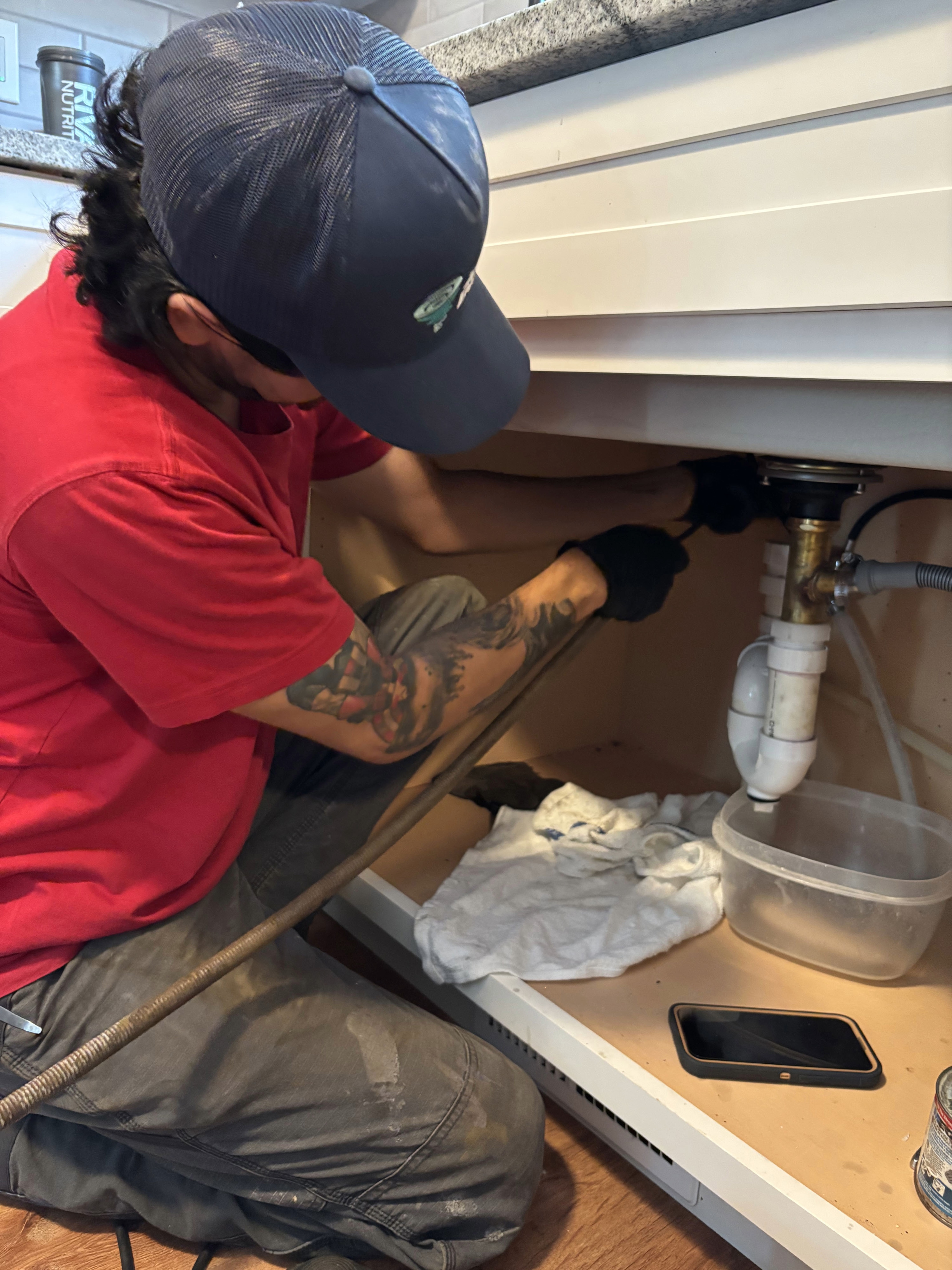
When Zoom Drain responds to a Warwick backup call, we don't guess. We snake or jet to clear the immediate problem, run a camera to find the actual root cause, and give you a clear written report on what's happening underground. If you need a root intrusion repair, spot repair, or full lateral replacement, the quote is flat-rate — no surprise add-ons mid-job.
For homeowners who want to stay ahead of the next storm, we offer scheduled drain and sewer maintenance with priority response when severe weather hits.
Don't Wait for the Next Backup
If you've had any backup, slow drain, or basement seepage in the past year, the underlying problem isn't going to resolve on its own. Call today or book online for service in Warwick, West Warwick, Cranston, East Greenwich, and the surrounding area.