

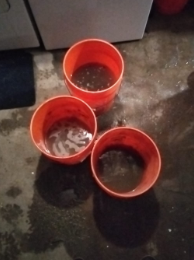
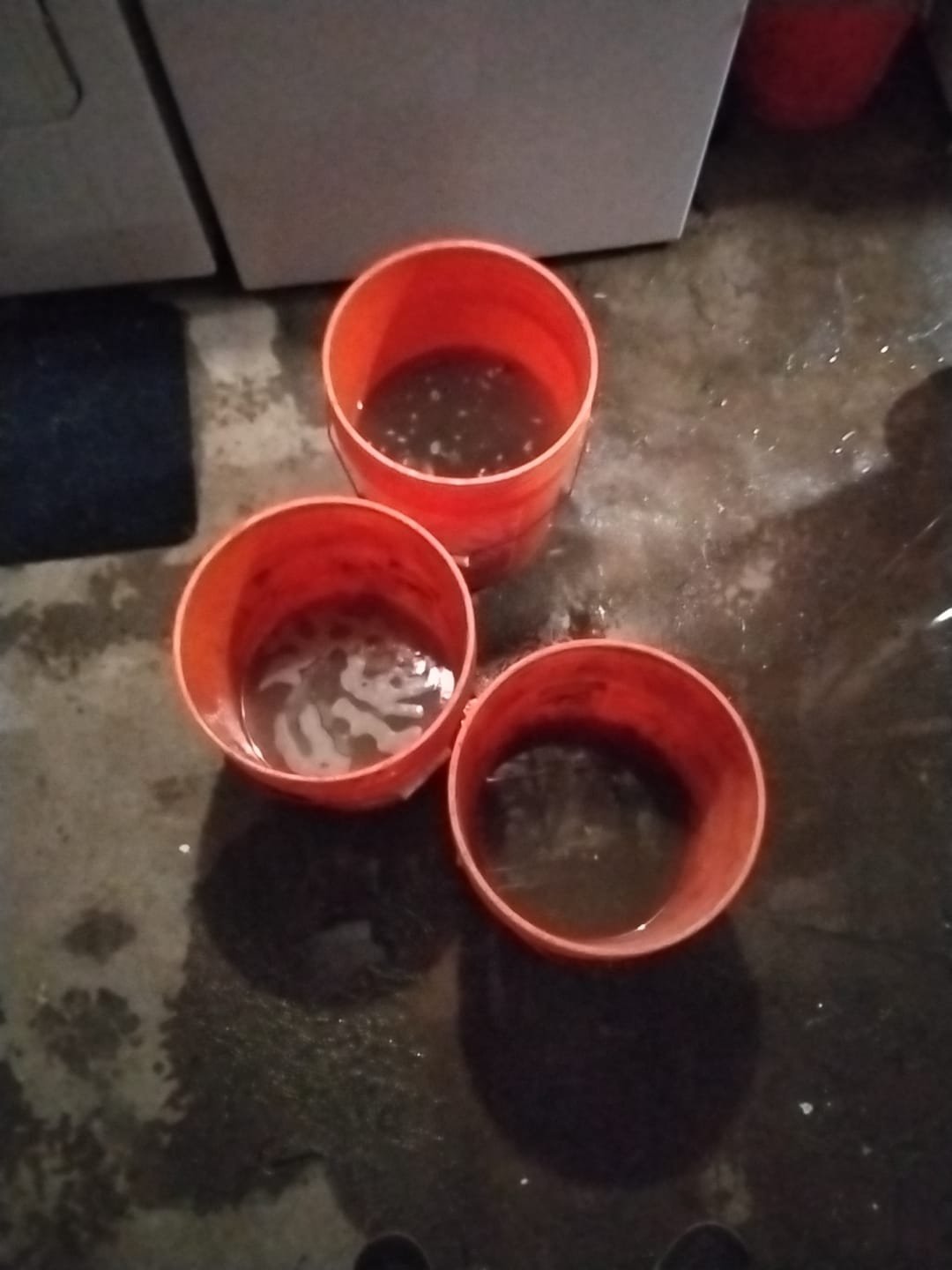
You flush the toilet and the bathtub gurgles. You run the kitchen sink and water shows up in the shower. The basement floor drain smells, and now there's a slow-rising puddle around it. Welcome to one of the most frustrating, most misdiagnosed problems in any Johnston home — a main sewer line clog.
The mistake most homeowners make is treating it like a normal clogged drain. They reach for the plunger, pour in a chemical drain cleaner, maybe run a small store-bought snake. None of that touches the actual problem. By the time the water is coming up through the floor drain, the clog isn't in your sink or your toilet — it's in the line that carries waste from your entire house to the city sewer or septic system.
At Zoom Drain Rhode Island, we run main line calls in Johnston almost every week, from older neighborhoods near Atwood Avenue and Hartford Avenue to newer subdivisions out toward Belknap and Greenville Avenue. The story is almost always the same: it started small, the homeowner waited, and now multiple fixtures are out of commission at once.
How to Tell a Main Sewer Line Clog From a Regular Clog
This is the single most useful distinction a Johnston homeowner can learn. A regular clog only affects one fixture — the bathroom sink is slow, but the tub next to it is fine. A main line clog affects everything downstream of it, which usually means multiple fixtures backing up or behaving strangely at the same time.
The classic tells:
- You flush the toilet and the shower or tub gurgles or bubbles
- You run the washing machine and the toilet rises or overflows
- The lowest fixture in the house — typically a basement floor drain or a basement bathroom — backs up first
- You hear gurgling sounds in drains you aren't even using
- All of this happens together, not one drain at a time
If even one of those describes what's happening at your place, stop using water and read on. Running another load of laundry or taking another shower with a partially blocked main line is how a slow gurgle turns into raw sewage on the basement floor.
Why Johnston Homes Are Especially Prone to Main Line Clogs
Johnston's housing mix is exactly the kind that creates main line trouble:
A lot of homes built between 1940 and 1980. Many of these have original cast iron or clay sewer laterals running out to the street. Cast iron corrodes from the inside; clay sections separate at the joints. Both create rough interior surfaces that grab grease, paper, and debris until the line chokes.
Mature trees along older streets. Atwood Avenue, Putnam Pike, and many of the side streets around them are lined with established maples, oaks, and willows. Tree roots find the smallest crack in an aging sewer joint and grow into a dense mat that traps everything passing through.
Mixed sewer and septic neighborhoods. Parts of Johnston are on Providence Water Supply Board sewer service; other areas are still on private septic systems. Each has its own failure pattern, but both rely on a single main lateral leaving your house — and when that line clogs, everything stops.
Grease, wipes, and "flushable" anything. This isn't unique to Johnston, but it's the number one preventable cause we find on camera. The "flushable" wipe label is one of the most misleading phrases in the home. They don't break down. They knit together with grease into a rope-like mass that sits in your main line until something has to give.
The 5 Warning Signs Before a Full Backup
Main line clogs almost always announce themselves before they fully fail. The signs are easy to miss if you don't know what to listen and look for:
- Gurgling toilets or drains when you use a different fixture
- Slow drainage in multiple places that you didn't notice individually because each one was only a little slow
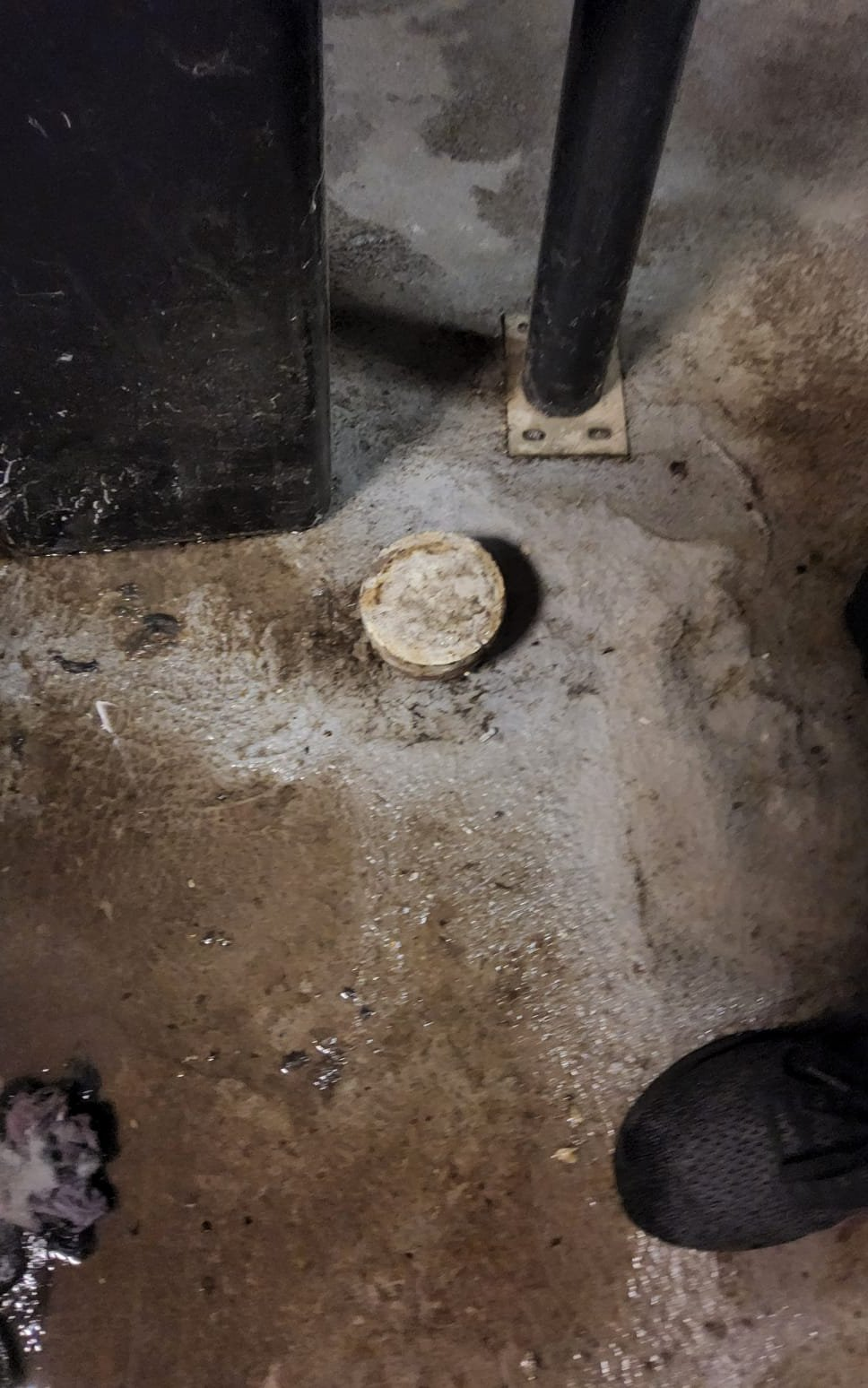
- A faint sewage smell in the basement, especially near the floor drain, that comes and goes
- The basement floor drain "weeping" — a damp ring around it even when nothing was just used
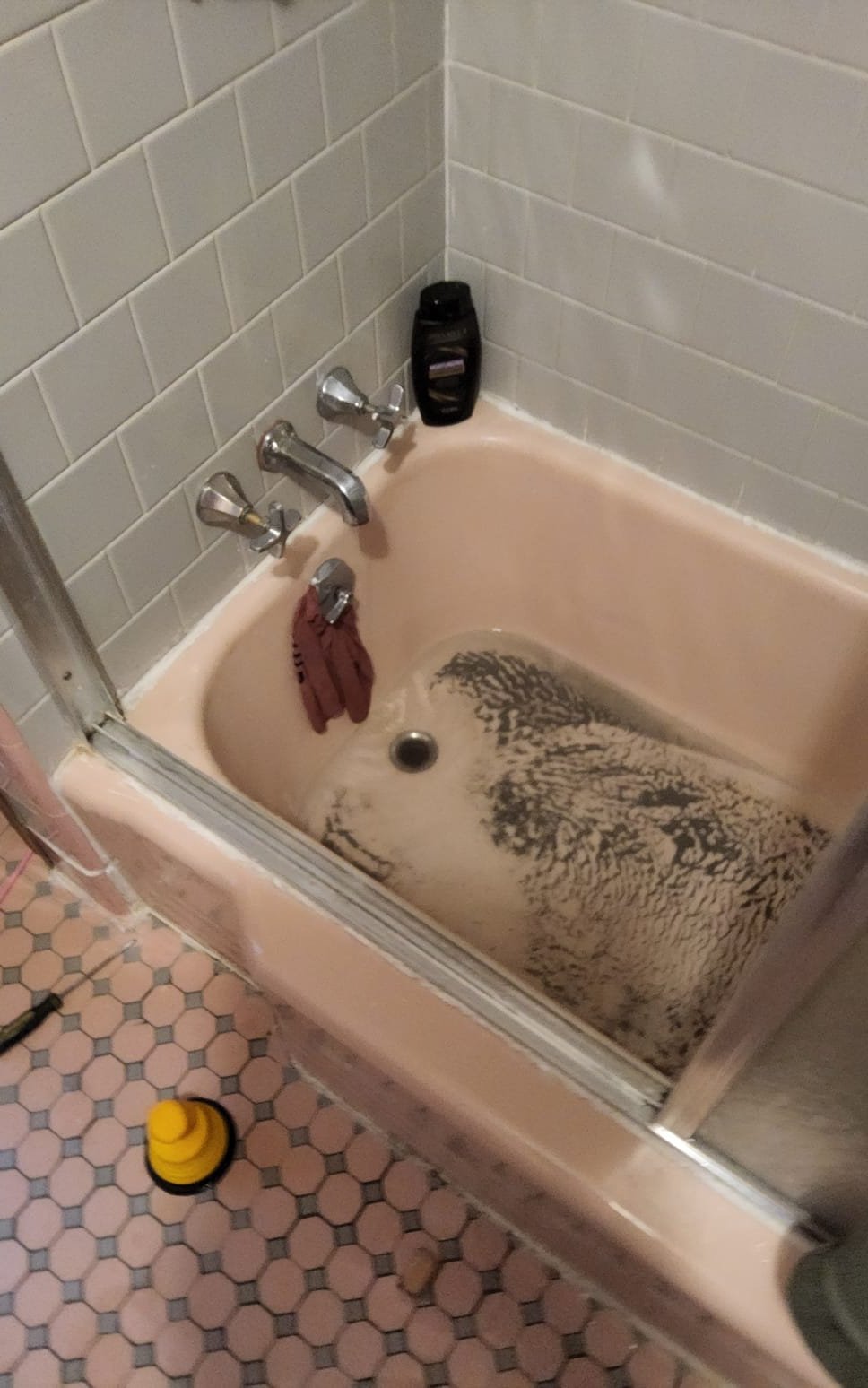
- Water backing into the tub or shower when you flush — gravity always sends the overflow to the lowest point
These signals can show up for weeks before the full backup. Calling at this stage is the difference between a $300 service call and a $3,000 cleanup.
What Happens If You Wait
We see this escalation curve over and over:
- Stage 1 (Early): Occasional gurgle. One drain slightly slow. Easily cleared with a professional cable or moderate hydro jet.
- Stage 2 (Active): Multiple fixtures slow at once. Toilet flushes weakly. Smell from floor drain. Still recoverable without major work — needs jetting and a camera inspection to confirm the cause.
- Stage 3 (Backup): Sewage backing into the lowest fixture. Basement floor wet. Cannot use any water in the house. Emergency cleanup, possible damage to flooring, drywall, and stored items.
- Stage 4 (Structural): Repeated backups indicate a collapsed section, severe root intrusion, or pipe failure. Requires sewer repair, replacement, or trenchless lining — and the longest disruption.
Almost every Stage 3 and Stage 4 call we get in Johnston started as Stage 1 weeks or months earlier. What was once a simple service call is now thousands of dollars in sewer line repairs.
What NOT to Do
Before you do anything else, please skip these:
- Don't pour chemical drain cleaner down a fixture connected to a main line clog. It doesn't reach the clog, it sits in your trap, and it makes the line dangerous for the technician working on it.
- Don't keep flushing or running water "to see if it clears." Every gallon you add has nowhere to go but back up through your lowest drain.
- Don't rent a heavy-duty drain auger without knowing what you're up against. The wrong cable in a fragile older cast iron line can crack the pipe and turn a clog into a replacement.
- Don't ignore one fixture because the others are working. The main line slowly chokes — when the second fixture gives out, the first one is about to flood.
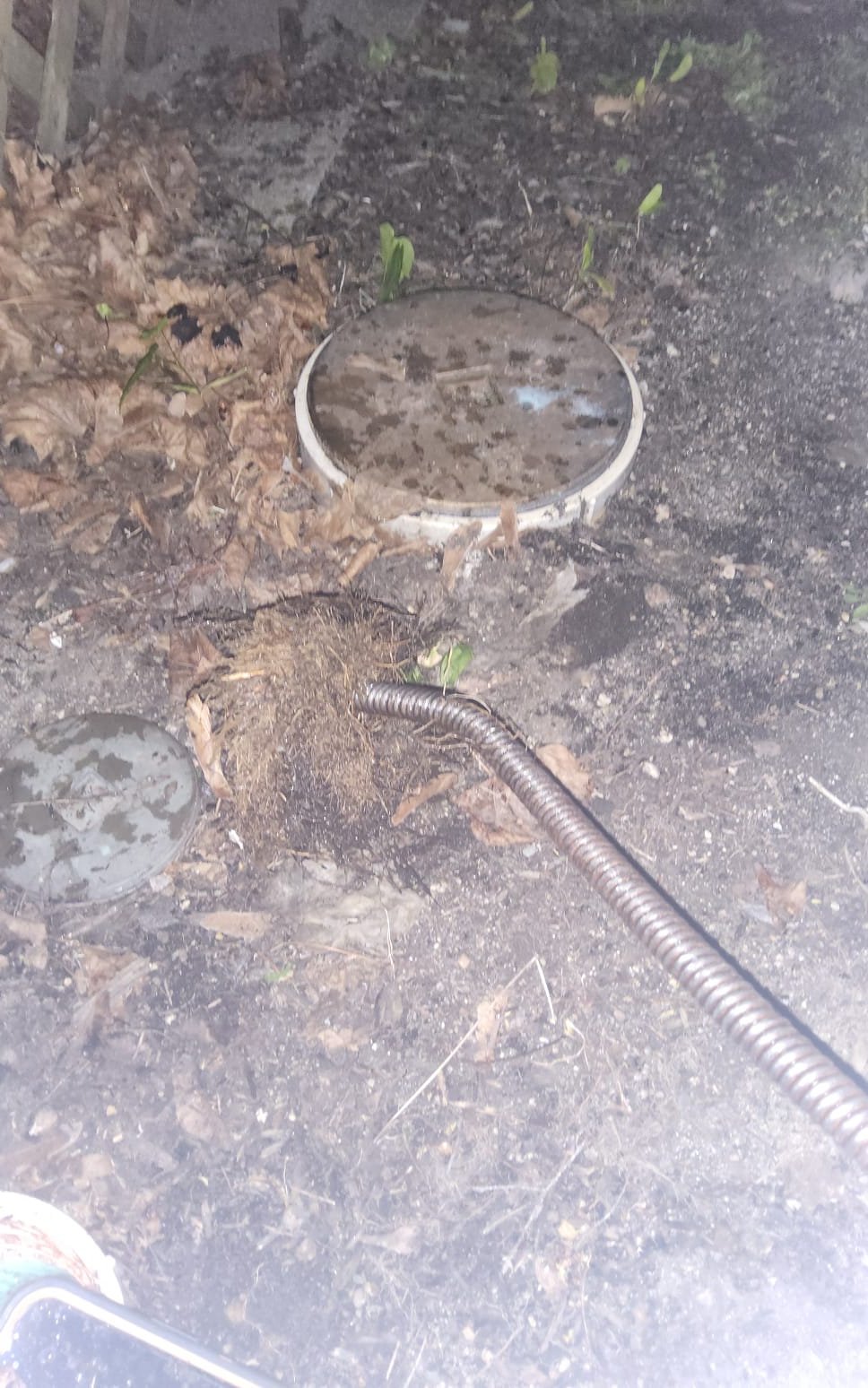
How Zoom Drain Rhode Island Clears a Main Line Clog
We don't guess. Here's what an actual main line call looks like:
Diagnosis with a video camera inspection. We send a live camera through your sewer line so we can see exactly what's blocking it — grease, roots, wipes, a collapsed section, a separated joint. You see the screen with us. No mystery, no upsell.
Cable cleaning or hydro jetting, depending on what's there. A traditional cable is right for some clogs. Hydro jetting — high-pressure water that scours the pipe wall — is right for grease, sludge, and full-circumference buildup. We pick the tool that matches the job, not the other way around.
Root removal with hydro jetting and RootX treatment when tree roots are the cause, to clear the current intrusion and slow regrowth.
A clear written report and pricing if the camera shows damage that needs repair, with realistic options including trenchless lining when appropriate.
Maintenance recommendations so it doesn't happen again. For some Johnston homes — especially older ones with grease history or known root issues — an annual jetting is dramatically cheaper than one emergency call.
Why Choose Zoom Drain Rhode Island?
- Free Arrival — Monday through Saturday, 8am–8pm for all Rhode Island residents
- Free Estimates — transparent pricing, always
- Same-Day Service Available — main line clogs don't wait, and neither do we
- 24/7 Emergency Service — evenings, weekends, and holidays
- Drain & Sewer Specialists — this is all we do, and we do it right
If More Than One Drain Is Acting Up, Call Before You Use More Water
The single best decision a Johnston homeowner can make at the first sign of a main line problem is to stop running water and pick up the phone. A camera inspection takes 30–45 minutes and removes all the guesswork. A clog cleared today is a fraction of the cost — and the mess — of a backup tomorrow.
Serving Johnston, Greenville, North Providence, Cranston, Smithfield, and the entire Providence County area.