

Every October, the same thing happens across Rhode Island's commercial corridors. The leaves come down, the fall rains roll in, and the storm drains in parking lots, loading docks, and driveways quietly fill with debris. By the time the first big storm hits, water has nowhere to go.
For property managers, facility managers, and business owners in Warwick, East Greenwich, and West Warwick, a clogged storm drain is more than an inconvenience. It can mean flooded entrances, damaged pavement, unhappy tenants and customers, and slip-and-fall hazards once temperatures drop. Here's why fall is the most important time of year for storm drain cleaning and how Zoom Drain of Rhode Island helps commercial properties stay ahead of it.
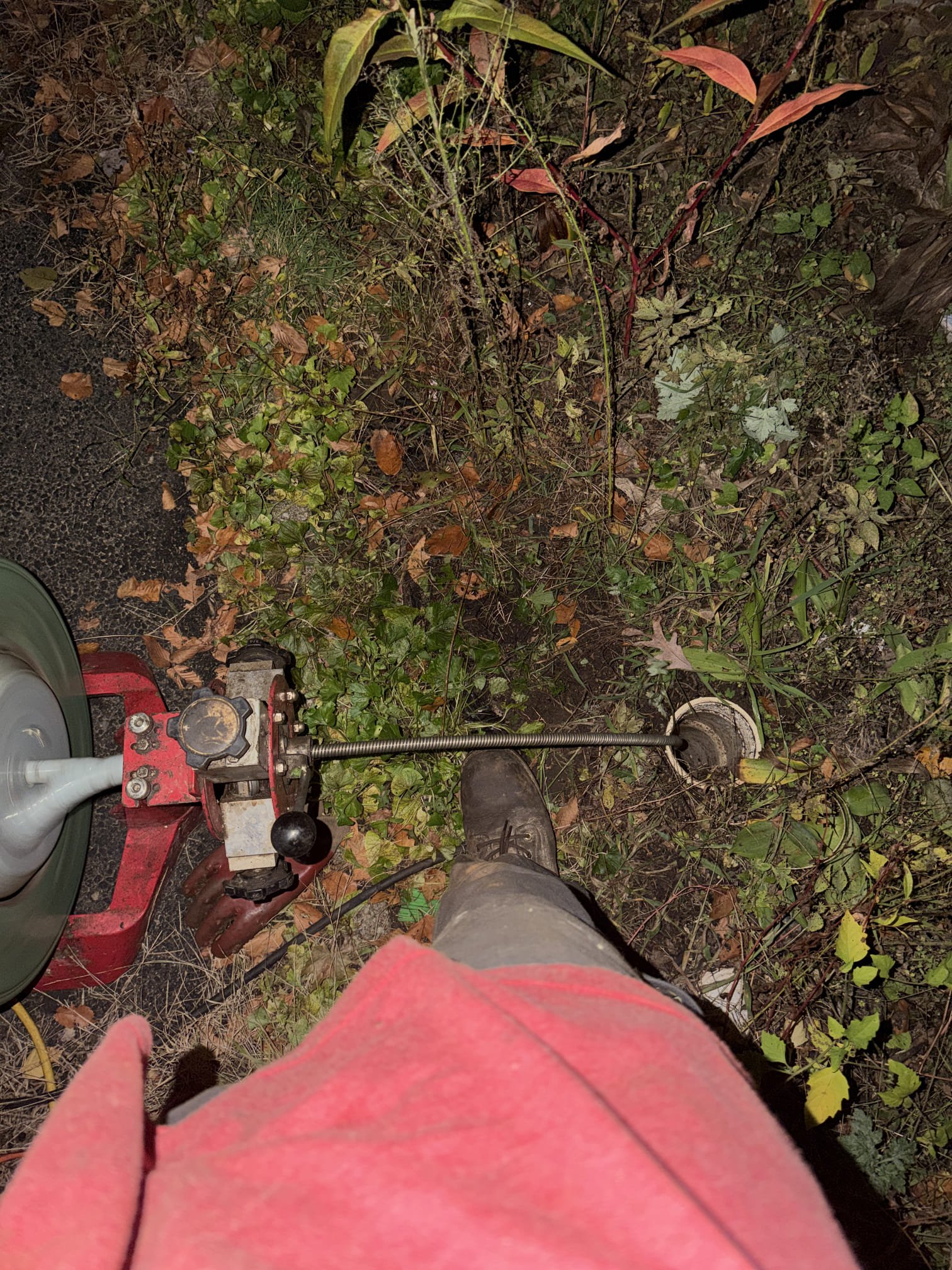
How Commercial Storm Drain Systems Work
Most commercial properties rely on a network of drainage structures to move rainwater and snowmelt off paved surfaces:
- Catch basins, the grated structures in parking lots and along curbs that collect surface water
- Storm drain lines, the underground pipes that carry water from catch basins to municipal storm systems, retention areas, or waterways
- Trench drains and area drains, often found at loading docks, driveways, and building entrances
- Roof drains and downspouts that tie into the site's drainage system
Catch basins are designed with a sump below the outlet pipe to trap sand, sediment, and debris before it enters the storm line. Over time, that sump fills up. Once it's full, debris flows into the pipes and the system's capacity drops.
Why Fall Is the Worst Season for Storm Drains
Leaves, leaves, and more leaves
Commercial properties in Warwick, East Greenwich, and West Warwick often have landscaped islands, tree-lined perimeters, and wooded buffers. When those leaves fall, wind and rain carry them straight to the lowest points on the property, which is exactly where your storm drains are. Wet leaves mat together over grates and settle into catch basins, cutting off flow almost completely.
A year's worth of buildup
Sand and salt from last winter, sediment washed off pavement, litter, and debris from summer storms all accumulate in catch basins and lines. Fall is when that buildup meets the season's heaviest leaf load.
Fall storms and nor'easters
Rhode Island's autumn weather can bring heavy, sustained rain. A drainage system that's half-full of debris can't handle a major storm, and water starts pooling across parking lots, along curbs, and toward building entrances.
The Winter Problem: Ice and Pavement Damage
What starts as standing water in October becomes something more dangerous in December and January.
- Ice hazards. Water that can't drain freezes into ice sheets across walkways, parking spaces, and entrances, increasing slip-and-fall risk for employees, tenants, and customers.
- Pavement damage. Standing water seeps into cracks in the asphalt. Repeated freeze-and-thaw cycles expand those cracks into potholes and base failures that need major repairs by spring.
- Frozen drains. Debris-clogged catch basins are more likely to freeze solid, leaving meltwater with nowhere to go during winter thaws.
- Building damage. Water pooling against foundations and entrances can find its way inside, affecting lobbies, storefronts, and lower-level spaces.
A clear drainage system heading into winter is one of the simplest ways to reduce ice hazards and protect your pavement and buildings.
Signs Your Storm Drains Need Attention
- Standing water that lingers for hours after it rains
- Grates covered with leaves, trash, or sediment
- Water pooling near building entrances, loading docks, or ADA parking areas
- Foul odors coming from catch basins
- Sediment or debris visible at the top of the basin
- Sinkholes, sunken pavement, or cracking around drain structures
- Water flowing across the lot instead of into the drains
How Zoom Drain Helps Commercial Properties
Storm drain and catch basin cleaning
Our storm drain cleaning service clears the leaves, sediment, and debris that keep your drainage system from working, so water moves off your property the way it's designed to.
Commercial hydro jetting
When debris has made its way into the storm lines, commercial hydro jetting uses high-pressure water to flush sediment, roots, and buildup from the pipes and restore full flow.
Video camera inspection
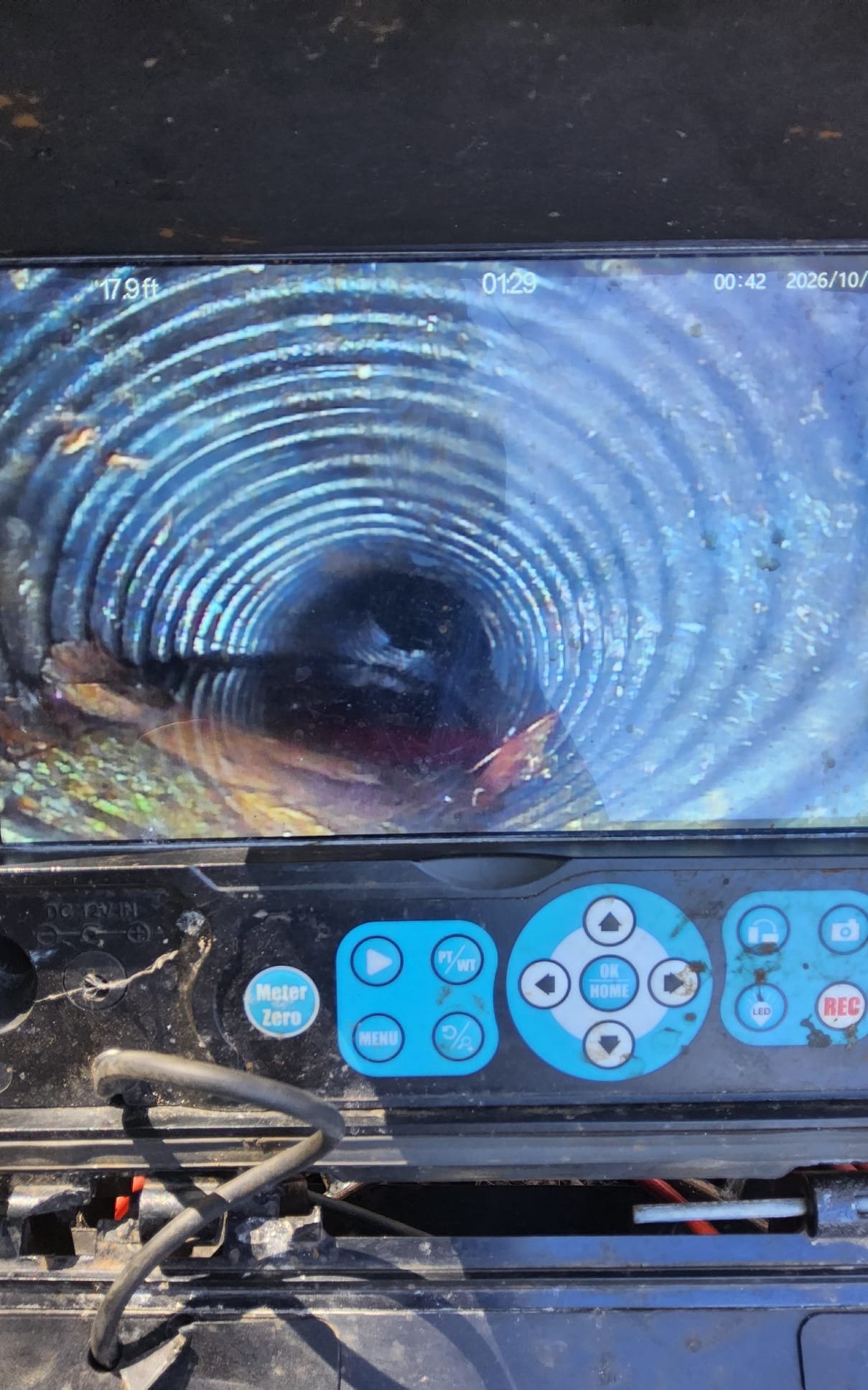
If drains are still slow after cleaning, or you suspect damage underground, a commercial video inspection shows exactly what's happening inside the line, including blockages, root intrusion, and broken or shifted pipe.
Floor drain cleaning
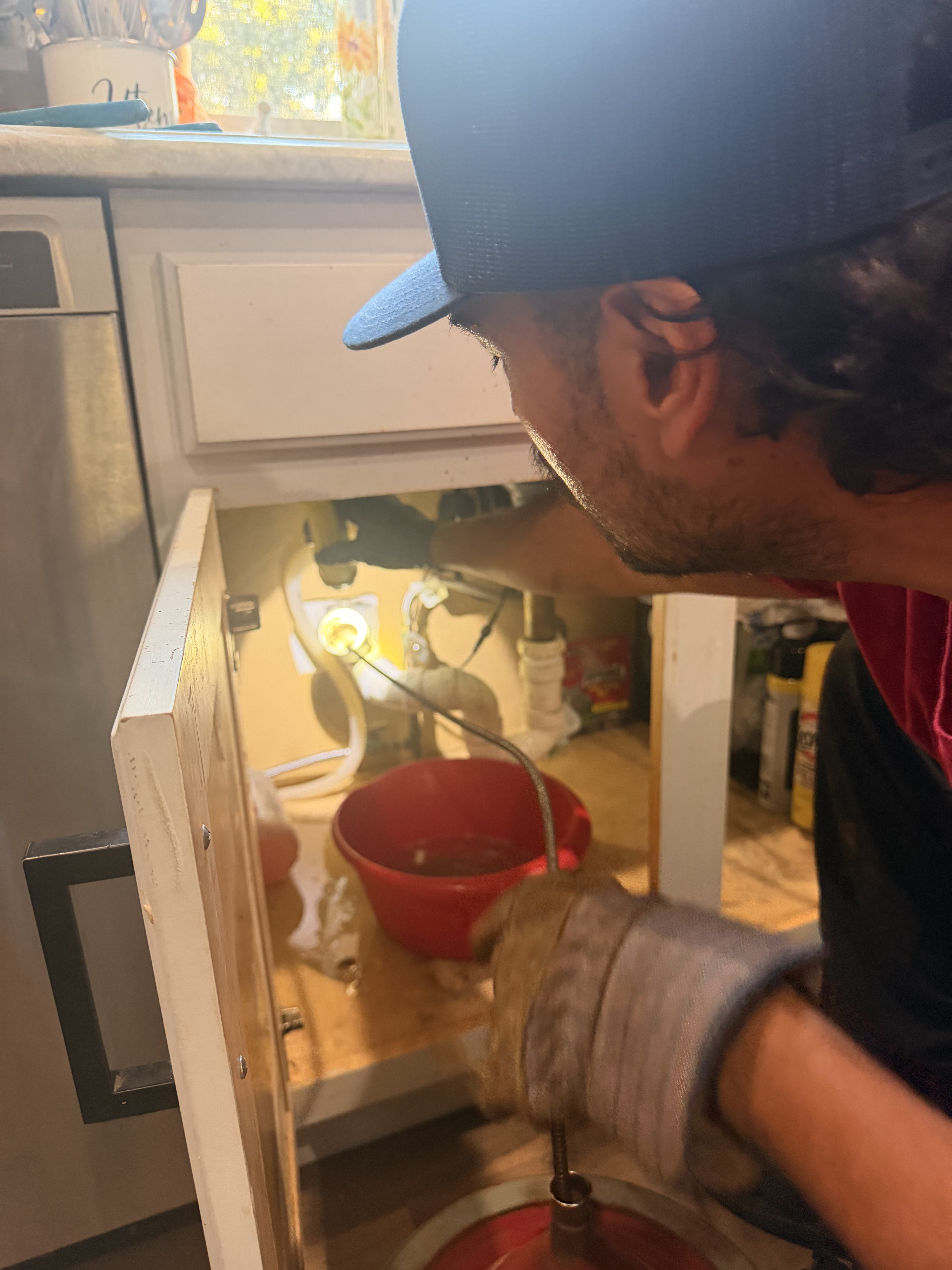
Inside the building, we handle floor drain cleaning for warehouses, garages, maintenance bays, and service areas that take on water, sand, and debris during wet and snowy weather.
Planned maintenance programs
For properties that need regular upkeep, a commercial maintenance program puts your drains on a predictable schedule, so you're not reacting to flooding after every storm. Scheduled service also creates a documented maintenance history, which is useful for property records. Some commercial properties have stormwater maintenance obligations tied to local or state permits, and routine service with documentation can make those easier to manage.
Built for Property and Facility Managers
Whether you manage a retail plaza along Route 2 or Bald Hill Road, an office park in East Greenwich, a light industrial site in West Warwick, a medical office, an apartment complex, or a school or municipal building, we understand that downtime and liability are the real costs of drainage problems.
Zoom Drain works around your operating hours to minimize disruption to tenants and customers. Our trucks arrive fully stocked, our technicians are uniformed and professional, and we communicate clearly about what we found and what we did. Learn more about how we work with commercial property and facility managers and multi-family properties.
Frequently Asked Questions
How often should commercial storm drains be cleaned?
Many properties benefit from cleaning at least once a year, and properties with heavy tree cover, high traffic, or a history of flooding often benefit from spring and fall service. We can recommend a schedule based on your site.
What's the best time of year for storm drain cleaning?
Late October through November is ideal. Most leaves have fallen, but the ground and your drains haven't frozen yet. A spring cleaning after winter sand and salt is also recommended.
Can clogged storm drains cause building damage?
Yes. Water that can't drain can pool against foundations and entrances, leading to leaks, flooding in lower-level spaces, and ice buildup at doorways.
Do you service residential yard drains too?
Yes. Our exterior drain services cover yard drains, area drains, and downspouts for homeowners as well.
Serving Warwick, East Greenwich, West Warwick & All of Rhode Island
Zoom Drain of Rhode Island serves commercial properties throughout Warwick, including Apponaug, Cowesett, Conimicut, Hoxsie, and the Route 2 and airport corridors; East Greenwich, including the Main Street and Division Street areas; and West Warwick, including Arctic, Natick, and Riverpoint. We also serve Cranston, Coventry, North Kingstown, Providence, and businesses across the state. Visit our areas we serve page to learn more.
Get ahead of winter. Call Zoom Drain of Rhode Island at (401) 496-9669 or schedule service online to book storm drain cleaning for your property. We're available 24/7, 365 days a year.