

It's one of the first questions we hear when a sewer line backs up in Pawtucket, Central Falls, or East Providence: "Isn't this the city's problem?" For most property owners, the answer is no. And finding that out while sewage is coming up through the basement floor drain is stressful.
Understanding who's responsible for which part of the sewer system helps you plan ahead, protect your property, and act quickly when something goes wrong. This guide explains how sewer responsibility generally works in Rhode Island, why older neighborhoods along the Blackstone and Seekonk Rivers face unique challenges, and what you can do to stay ahead of problems.
How Your Home Connects to the Public Sewer
Every building connected to a public sewer system has a pipe that carries wastewater from the building to the main line in the street. That pipe is called the sewer lateral, and you may also hear it called the building sewer, service line, or house connection.
The system generally has three parts:
- The building drain, the plumbing inside your home that collects wastewater from sinks, toilets, showers, and appliances
- The sewer lateral, which runs underground from your foundation, often under the yard, sidewalk, and part of the street, to the public main
- The public sewer main, the large pipe under the street that carries wastewater from the whole neighborhood to a treatment facility
The Short Answer: The Lateral Is Usually Yours
In most Rhode Island communities, the property owner is responsible for maintaining and repairing the sewer lateral from the building all the way to the public main. That often includes the portion under the sidewalk or roadway and the connection point where the lateral meets the main.
Neighboring Johnston's town code is a good example. It places the repair and maintenance of the lateral and building drain on the property owner, from the building to the main line, including the connection fitting.
The city, town, or sewer authority generally maintains the main line in the street. Rules vary by municipality, though, and some communities split responsibility differently. Before any work begins, check with your local public works department or sewer authority to confirm the exact dividing line at your address.
Why This Matters in Pawtucket, Central Falls & East Providence
Pawtucket and Central Falls grew rapidly during the Industrial Revolution, and many of their homes and mill-era buildings date to the late 1800s and early 1900s. Much of East Providence, including neighborhoods like Riverside, Rumford, and Phillipsdale, was built out through the early and middle 20th century. Many of these properties still have their original clay tile or cast iron sewer laterals, which may never have been inspected.
Over decades, those pipes shift with the soil, crack, corrode, and collect roots. Many of the backups we're called to in these communities trace back to a lateral that has been quietly deteriorating for years.
Parts of Pawtucket, Central Falls, and Providence are served by combined sewers, which carry both household wastewater and stormwater in the same pipes. During heavy rain, combined systems can become overwhelmed. When the main is running full, homes with damaged or partially blocked laterals are more likely to experience backups in the basement.
With fall rains and nor'easter season arriving, this is an important time for property owners in these areas to make sure their laterals are clear and in good condition.
Central Falls is one of the most densely populated communities in New England, and Pawtucket and East Providence have many two- and three-family homes. A triple-decker puts far more daily strain on a single lateral than a one-family house, which makes routine inspection and cleaning even more important.
What Property Owners Can Do
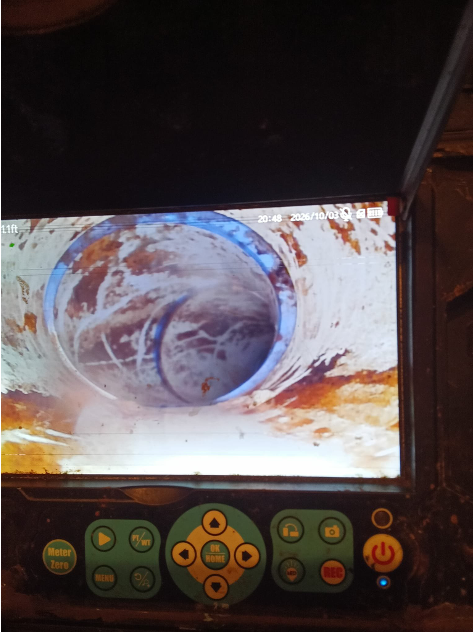
- Get a sewer camera inspection. A video camera inspection shows the inside of your lateral, so you know whether you're dealing with a simple clog, root intrusion, a sag or "belly" in the line, or a broken pipe. It also helps pinpoint where the problem is located, which is useful if there's a question about whether it's on your side of the connection.
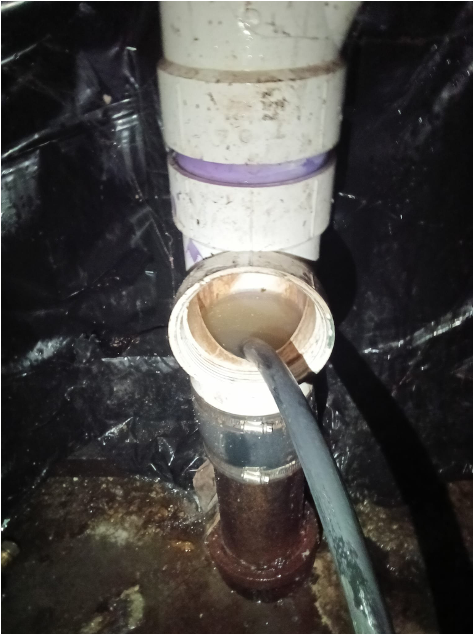
- Locate your cleanout. A cleanout is an access point for your sewer line, usually in the basement or yard. Knowing where it is and keeping it accessible makes clearing a backup much faster.
- Schedule regular cleaning. Professional sewer cleaning removes grease, sludge, and roots before they cause a backup. For heavy buildup, hydro jetting scours the pipe walls clean.
- Review your insurance. Many standard homeowner policies don't cover sewer backups or service line repairs without an added endorsement. Check your policy so you know where you stand before you need it.
- Watch what goes down the drain. Wipes (even "flushable" ones), grease, and paper towels are some of the most common causes of lateral clogs.
Warning Signs of a Sewer Lateral Problem
- Multiple slow drains throughout the house
- Gurgling from toilets or floor drains
- Water backing up into the basement floor drain or lowest shower
- Sewage odors indoors or in the yard
- Soggy areas, sinkholes, or unusually green grass along the path of the line
Landlords and Multi-Family Owners, Take Note
If you own rental property in Pawtucket, Central Falls, or East Providence, a sewer backup affects more than one household. It can mean damage to multiple units, disrupted tenants, and urgent repairs. A camera inspection and a planned maintenance program help you catch problems early and plan repairs on your schedule rather than in an emergency. Learn more about our multi-family property services.
If the inspection shows serious damage, we'll explain your sewer repair and replacement options in plain language.
Frequently Asked Questions
Usually only if the backup is caused by a blockage or failure in the public main. If the problem is in your lateral, it's generally the property owner's responsibility. Contact your local public works department or sewer authority to confirm how responsibility is divided in your community.
A camera inspection is the most reliable way to find out. It shows the location and cause of the blockage along the length of your lateral.
For older homes, especially those with clay or cast iron pipe, a camera inspection is a smart idea if you've never had one, if you're buying or selling, or if you notice warning signs. Our technicians can recommend a schedule based on what they see.
Yes. Laterals can deteriorate slowly without obvious symptoms until heavy rain or heavy use pushes the line past its limit.
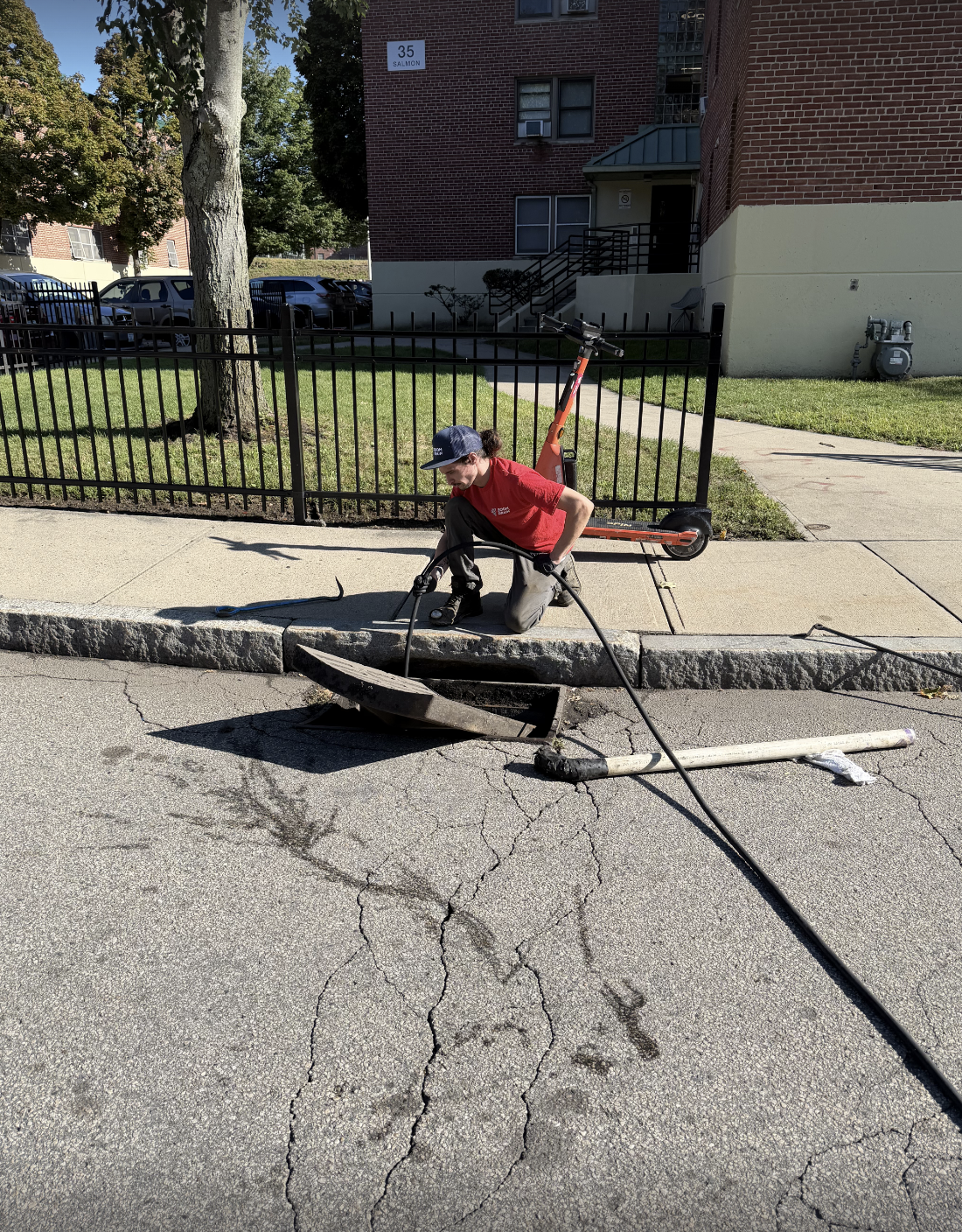
Serving Pawtucket, Central Falls, East Providence & Surrounding Communities
Zoom Drain of Rhode Island serves homeowners, landlords, and businesses throughout Pawtucket, including Darlington and Oak Hill; Central Falls; and East Providence, including Riverside, Rumford, and Phillipsdale. We also serve nearby Providence, Cumberland, Lincoln, North Providence, Barrington, and communities across the state. Visit our areas we serve page to learn more.
Not sure what's happening under your street? Call Zoom Drain of Rhode Island at (401) 496-9669 or schedule a camera inspection online. We'll find the problem, show you the footage, and explain your options before any work begins. Our team is available 24/7, 365 days a year.