

Rhode Island is bracing for something we don't usually see this early in the season: a September nor'easter. Forecasters expect rain to move into southern New England Friday afternoon, intensify overnight, and peak on Saturday before tapering off Sunday into Monday. Parts of Rhode Island and eastern Massachusetts could pick up 2 to 4 inches of rain, with some spots seeing even more, along with wind gusts of 50 to 60 mph and coastal flooding made worse by this weekend's full-moon high tides.
Most storm coverage focuses on downed trees and power outages, and those are real concerns. But for a lot of Rhode Island homeowners and business owners, the damage that lingers longest comes from below: backed-up floor drains, overwhelmed sewer lines, and failed sump pumps. At Zoom Drain of Rhode Island, drain and sewer problems are all we do, and storms like this one are when we get the most calls. Here's what you should know before, during, and after the weekend.
Why Heavy Rain Becomes a Drain and Sewer Problem
When several inches of rain fall over a day or two, water has to go somewhere, and your home's drainage system is part of that path. A few things happen at once:
- The ground gets saturated. Once the soil can't absorb any more water, groundwater presses against your foundation and seeps into older sewer lines through cracks, loose joints, and root-damaged sections.
- Municipal systems fill up. Some older neighborhoods in and around Providence still rely on sewer systems that carry both stormwater and wastewater. During heavy rain, those lines can surcharge, and when they do, water can push backward into the lowest drain in your home, which is usually the basement floor drain.
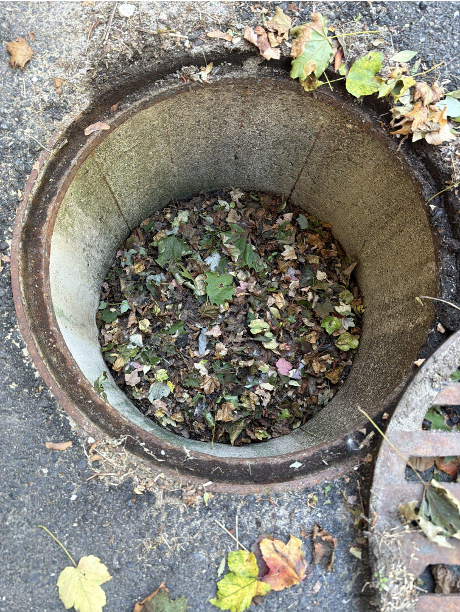
- Debris clogs the exits. Wind strips leaves and branches from trees that are still fully leafed out, and all of that washes into gutters, downspouts, yard drains, and street catch basins. When those outlets clog, water pools against your house instead of flowing away from it.
- Power outages knock out sump pumps. High winds and leaf-heavy trees raise the odds of outages. If your sump pump has no battery backup, it stops working exactly when you need it most.
Before the Storm Hits: A Quick Prep Checklist
If you have a few minutes before the rain picks up, these steps can make a real difference:
- Clear gutters and downspouts and make sure downspout extensions direct water at least several feet away from your foundation.
- Test your sump pump by slowly pouring a bucket of water into the pit. The pump should kick on and drain the pit quickly. If you have a battery backup, check that it's charged.
- Clear yard drains and nearby catch basins of leaves and debris, but only before the storm and only when it's safe. Never reach into a storm drain during heavy rain or moving water.
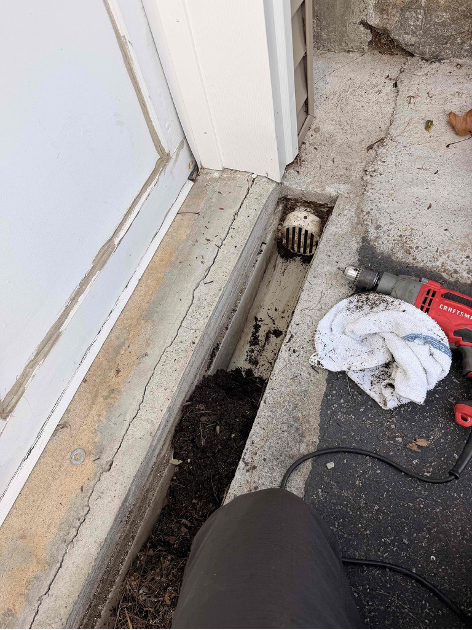
- Move valuables off the basement floor, especially anything near a floor drain, washer standpipe, or utility sink.
- Go easy on water use during the peak. Postponing laundry, dishwasher loads, and long showers on Saturday reduces the load on your sewer line when the system is already stressed.
- Know where your sewer cleanout is. If a technician needs to reach your main line, knowing its location saves time.
Warning Signs to Watch For During the Storm
Drain trouble usually gives you a heads-up before it becomes a full backup. Keep an eye out for:
- Gurgling sounds from toilets, sinks, or floor drains
- Water rising up through a basement floor drain
- Several fixtures draining slowly at the same time, which often points to a main line issue rather than a single clog
- Sewage odors in the basement or around drains
- A sump pump that runs constantly, cycles on and off rapidly, or doesn't run at all while the pit fills
What to Do If Your Drain Backs Up
If water or sewage starts coming up through a drain, stay calm and take these steps:
- Stop using water everywhere in the house. Every flush and faucet adds to the backup.
- Keep people and pets away from standing water. Sewer backups can carry bacteria and other contaminants.
- Put safety first around electricity. Don't walk into standing water if outlets, cords, or appliances may be submerged.
- Skip the chemical drain cleaners. They won't clear a storm-related main line backup, and they make the water more hazardous for you and for our technicians.
- Call a drain and sewer specialist. A plunger can't fix a surcharged or blocked main line. Professional equipment can.
We're Available 24/7, Including Through This Storm
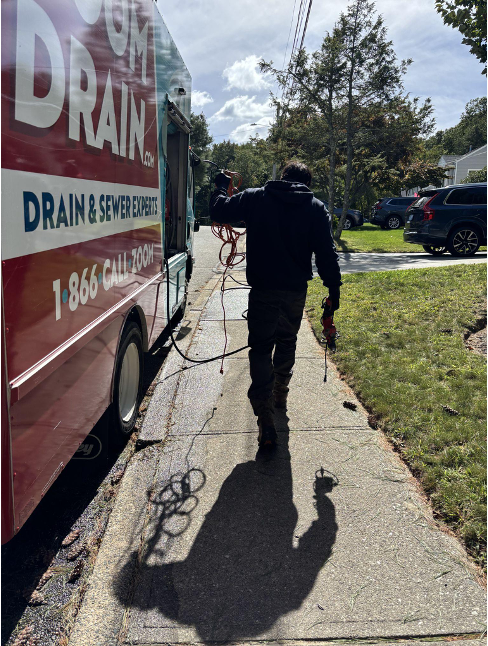
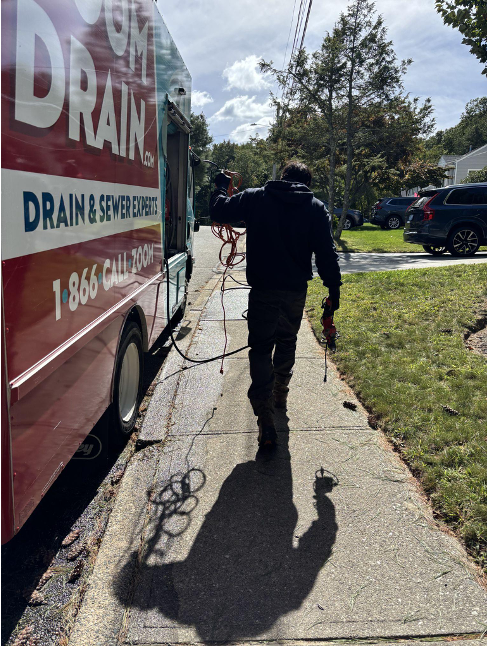
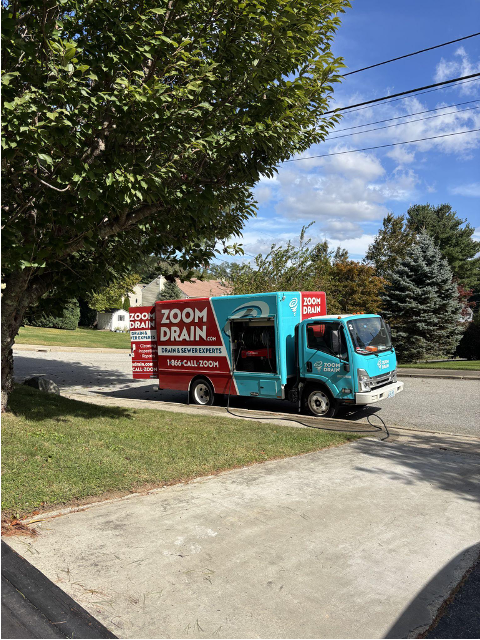
Drain emergencies don't wait for business hours, and neither do we. Zoom Drain of Rhode Island offers 24/7 emergency drain service for homes and businesses across the state, including nights, weekends, and holidays. Whether your basement floor drain starts backing up late Saturday night at the height of the storm or early Sunday morning as the rain winds down, you can pick up the phone and reach a team that's ready to respond.
Our background-checked, in-house-trained technicians arrive in fully stocked trucks so they can get to work right away, and our upfront, flat-rate pricing means you'll know the cost before any work begins.
One honest note: big storms mean a lot of calls at once. When you reach us, we'll ask a few quick questions about what you're seeing so we can prioritize active sewage backups and give you a clear idea of what to expect next. If you notice warning signs, call early rather than waiting for the problem to get worse.
It's also worth knowing where our work fits in. We handle the drain and sewer side of storm problems: clearing backups, restoring flow, and diagnosing what went wrong. If surface water has flooded your basement or you're dealing with significant water damage, you may also need a water damage restoration company or your insurance provider.
After the Storm: Don't Ignore What It Revealed
A backup during heavy rain is often a symptom of something that was already there, like tree roots in the line, a sagging pipe, grease buildup, or a partial blockage that only became a problem when the system was pushed to its limit. Once the weather clears, a few services can help you avoid a repeat next time:
Video camera inspection shows exactly what's happening inside your sewer line, so you know whether you're dealing with debris, roots, or a damaged pipe.
- Hydro jetting uses high-pressure water to scour away roots, sludge, and buildup that storm water can leave behind.
- Sump pump and downspout service gets your first line of defense ready for the fall and winter storms still ahead.
- Commercial storm drain and catch basin cleaning helps businesses and property managers keep parking lots and entrances from flooding in the next storm.
You can learn more about our full range of drain and sewer services on our website.
Stay Safe This Weekend, Rhode Island
Keep an eye on the latest forecast from the National Weather Service in Boston/Norton, stay off flooded roads, and check on neighbors who may need a hand. And if your drains start backing up at any hour, day or night, call Zoom Drain of Rhode Island at 401-399-4065. We'll be ready.