


Owning a Home in Scituate Comes With a Bigger Responsibility Than Most
If you own property in Scituate, you already know your home doesn't work quite like most homes in Rhode Island. There's no municipal sewer running down the road. Your drinking water almost certainly comes from a private well. And whether you think about it or not, the ground beneath your feet is part of one of the most closely watched watersheds in the state — the Scituate Reservoir, which supplies drinking water to more than 60 percent of Rhode Islanders.
Living inside that watershed changes what proper drain and sewer care looks like. What runs through the plumbing in your home eventually connects to the same soil and groundwater that feeds the reservoir. And the well water coming into your home affects your drains in ways most homeowners don't notice until buildup starts causing real problems.
This guide covers both sides of that equation — protecting the watershed and managing what your well water does to your plumbing — and what a drain specialist can (and can't) do about each.

The Watershed Rules Every Scituate Homeowner Should Know
The Scituate Reservoir watershed covers a huge portion of western Rhode Island, and Providence Water manages it under strict rules designed to keep contaminants out of the drinking supply. What that means for you as a homeowner is simple: your septic system, your drain lines, and any wastewater leaving your property are treated as a potential impact on public water quality.
You don't need to memorize the regulations to be a responsible steward. The key idea is this: a septic system that leaks, backs up, or breaches is not just your problem — it's a watershed problem. A cracked sewer line running from your house to your tank can put nutrients and pathogens directly into groundwater that eventually reaches the reservoir. That's why proactive maintenance of the line between your house and your septic tank is arguably more important in Scituate than anywhere else in the state.
The Most Common Line Problems We See in Scituate
Every property is different, but a handful of issues turn up on Scituate service calls again and again.
Root intrusion. Scituate has one of the densest tree canopies in Rhode Island. Maple, oak, and pine roots find their way into any joint or crack in a sewer line and grow inside the pipe. If you've ever watched a video camera run through a Scituate lateral, you've seen what a mature root ball looks like from the inside — it's not subtle.
Aging house-to-tank lines. Many homes throughout North Scituate, Hope, Clayville, and along the older stretches of Danielson Pike still have original clay tile or cast iron sewer lines running to their tanks. These pipes crack, offset, and belly with time and ground movement.
Bellied and offset sections. Scituate's rocky, glacial soil shifts differently than the sandy soil of coastal Rhode Island. Over decades, that movement pulls pipe joints apart and creates sagging sections where waste pools.
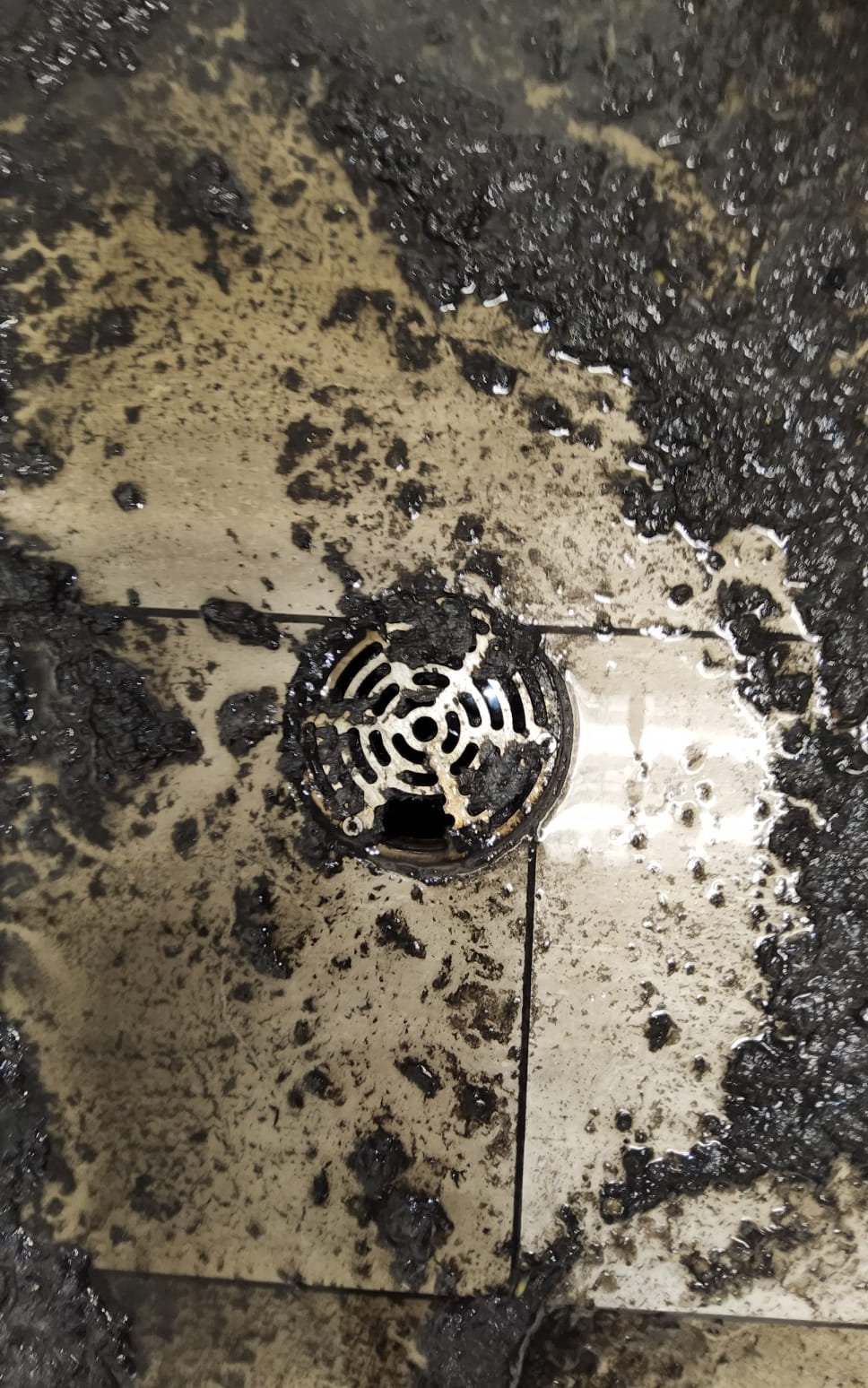
Any of these can cause a backup that looks like a full tank but isn't. Pumping the tank doesn't fix a cracked line, and it doesn't remove a root ball. That's where a drain specialist matters.
What Your Well Water Is Doing to Your Drains
Now for the other side of the story. Nearly every Scituate home draws its water from a private well, and Rhode Island well water tends to carry a heavy mineral load. Iron, manganese, and hardness minerals like calcium and magnesium enter your plumbing every time you turn on a tap.
What people don't realize is that these minerals don't just stain your fixtures and dry out your skin. Over years, they build up on the inside of your drain lines. That reddish-brown film you see around the drain in your bathtub? Iron oxidation. The chalky crust on the underside of your showerhead? Hard water scale. Multiply that by every horizontal foot of drain pipe in your house, and you have a system slowly narrowing from the inside.
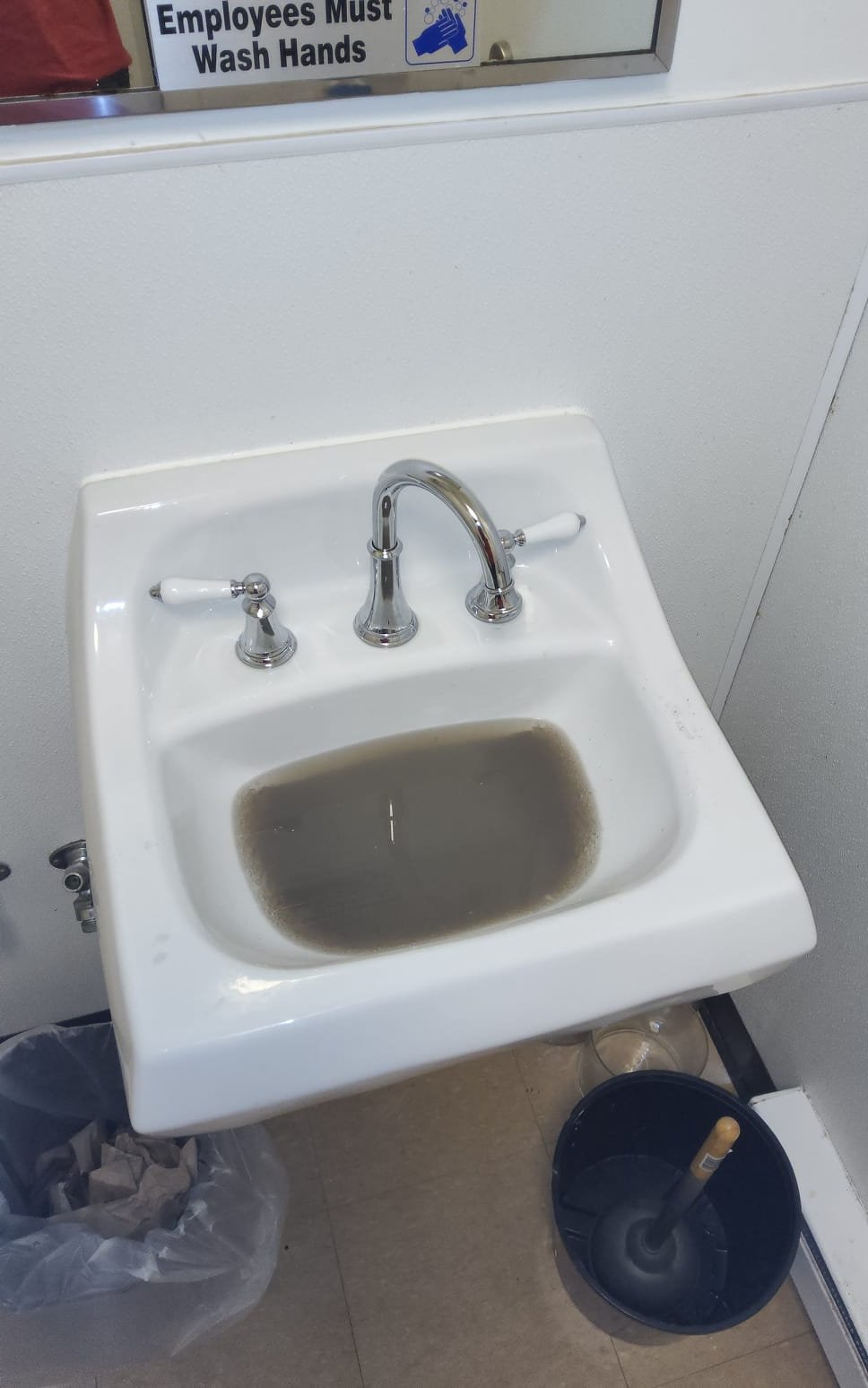
Symptoms show up gradually. Drains that used to clear in seconds now take a full minute. Recurring clogs in the same spot. Slow-filling toilets. Gurgling. Eventually, mineral scale mixes with organic buildup to create the kind of clog that a plunger and a bottle of drain cleaner simply won't touch.
Why Hydro Jetting Matters More on Well Water
For homes on municipal water, a good snaking usually handles a clogged line. For homes on well water — especially in Scituate, where iron and hardness levels can be pronounced — snaking only punches a hole through the clog and leaves the mineral scale behind. That means the clog is back within months.
Hydro jetting uses pressurized water to scour the entire inside of the pipe. On well-water plumbing with years of mineral buildup, it's the difference between a temporary fix and actually restoring the line to full flow. It's also gentler on aging cast iron and clay pipe than repeated mechanical snaking.
What Professional Drain Service Looks Like in Scituate
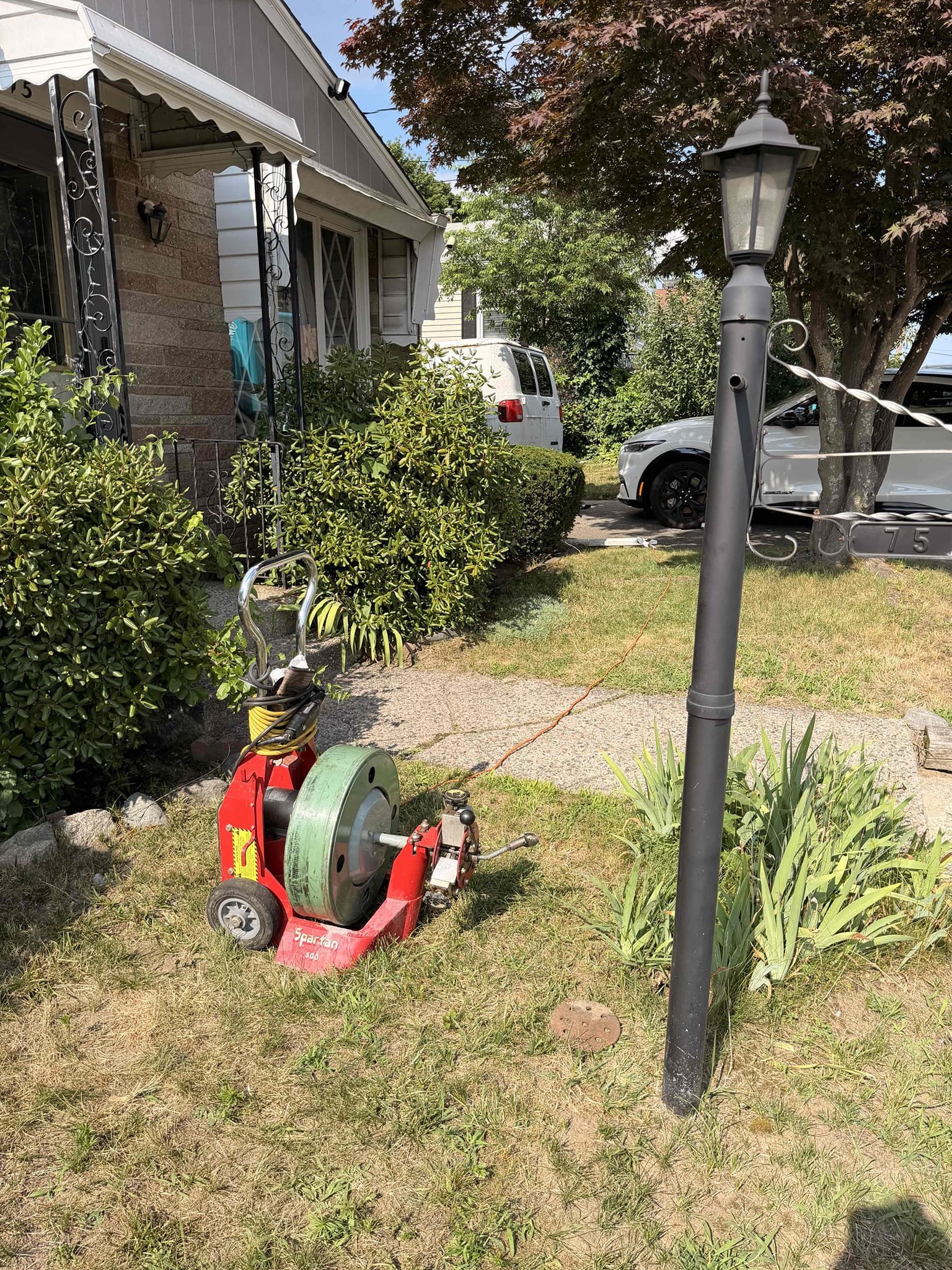
When Zoom Drain responds to a Scituate service call, we focus on the parts of your system that most affect both the watershed and your day-to-day water quality.
Camera inspection of the house-to-tank line. A waterproof camera shows exactly what's happening between your house and your septic tank — roots, cracks, bellies, offsets, and blockages. You get to see the same video we do, so you know what you're paying to fix.
Hydro jetting for mineral and organic buildup. For homes with well water buildup or a partially rooted line, jetting cleans the pipe walls, not just the clog. It's the right tool for Scituate's specific conditions.
Root intrusion diagnosis and repair. We locate root intrusion precisely, clear it, and can coordinate the right long-term repair — spot repair, pipe lining, or lateral replacement — with minimum yard disruption.
Honest scope-of-work. If the actual problem is a full septic tank or a failed leach field, that's a job for a septic professional, and we'll tell you so. We handle drains and sewer lines — that specialty is our whole business, and we're direct about where our work ends and someone else's begins.
A Simple Maintenance Rhythm for Scituate Homeowners
If you own a home inside the Scituate Reservoir watershed, a light preventive routine goes a long way.
Have your house-to-tank line camera inspected every three to five years, and any time you buy a new home. Pay attention to slow drains — they're the earliest warning sign of both mineral buildup and line issues. Consider whole-house water treatment if your well water carries heavy iron or hardness; it protects your fixtures and your drain lines at the same time. Keep aggressive-rooting trees like willows and silver maples well away from your septic line. And when something backs up more than once, don't just plunge it — get a look at the line.
When to Call Zoom Drain
If you've had a recent backup, chronic slow drains, or you just want to know what's happening between your house and your septic tank, we can help. We service Scituate, Foster, Glocester, Coventry, Johnston, and the surrounding western Rhode Island communities.
Call or book online for a camera inspection, hydro jetting, or drain and sewer service. We show up when we say we will, tell you honestly what we find, and give you a flat-rate quote to fix it.