

.jpg)
Living on Septic in Foster Means Knowing Your System
If you own a home in Foster, you're almost certainly on a private septic system. There's no municipal sewer line running down Danielson Pike, no city hookup along Moosup Valley Road, no public system waiting to catch what your household sends down the drain. Every gallon of wastewater your family produces goes to a tank on your property and then out into a leach field.
When that system works, it's invisible. When it doesn't, it's a bad day — and often an expensive one. Most Foster homeowners we meet after a backup have the same reaction: they assumed the tank was full, called a pumper, watched the truck pull away, and then had the same backup happen again three weeks later.
Here's what's actually going on.
The Number One Misconception About Septic Backups
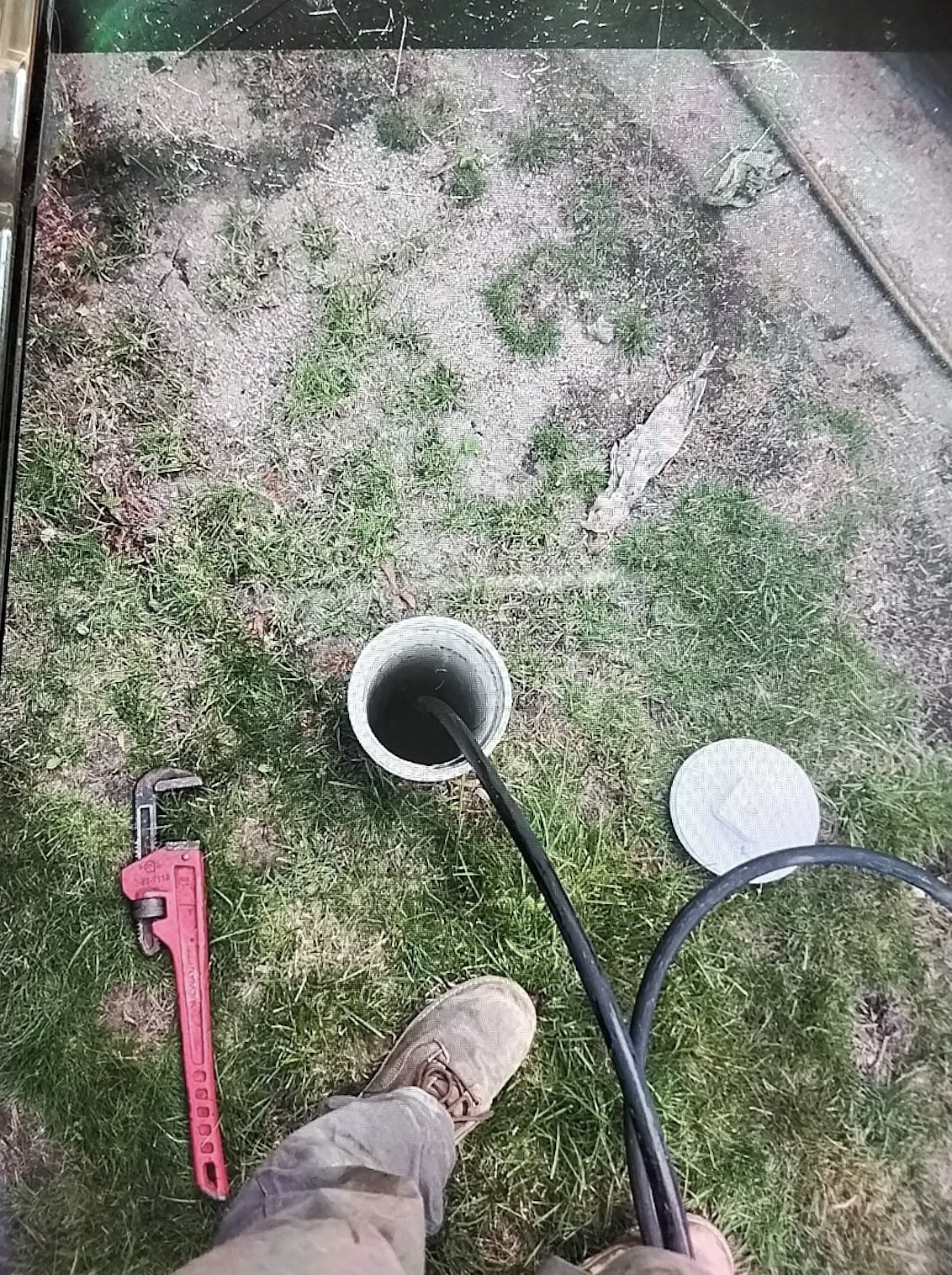
A septic system has three parts that can fail: the line running from your house to the tank, the tank itself, and the leach field beyond the tank. Homeowners tend to assume every backup is a "full tank" problem. In reality, the majority of septic backups we respond to in rural Rhode Island are line problems, not tank problems.
If your tank is genuinely full or overdue for pumping, that's a job for a septic pumper. But if the line from your house to the tank is clogged, or the outflow to the leach field is compromised, pumping the tank does absolutely nothing to solve the underlying issue. The waste starts building up again the moment the pump truck drives away.
That's where a drain specialist comes in.
Why Foster Properties Are Especially Vulnerable
Foster is one of the most heavily wooded towns in Rhode Island. That's part of its charm — and part of the problem.
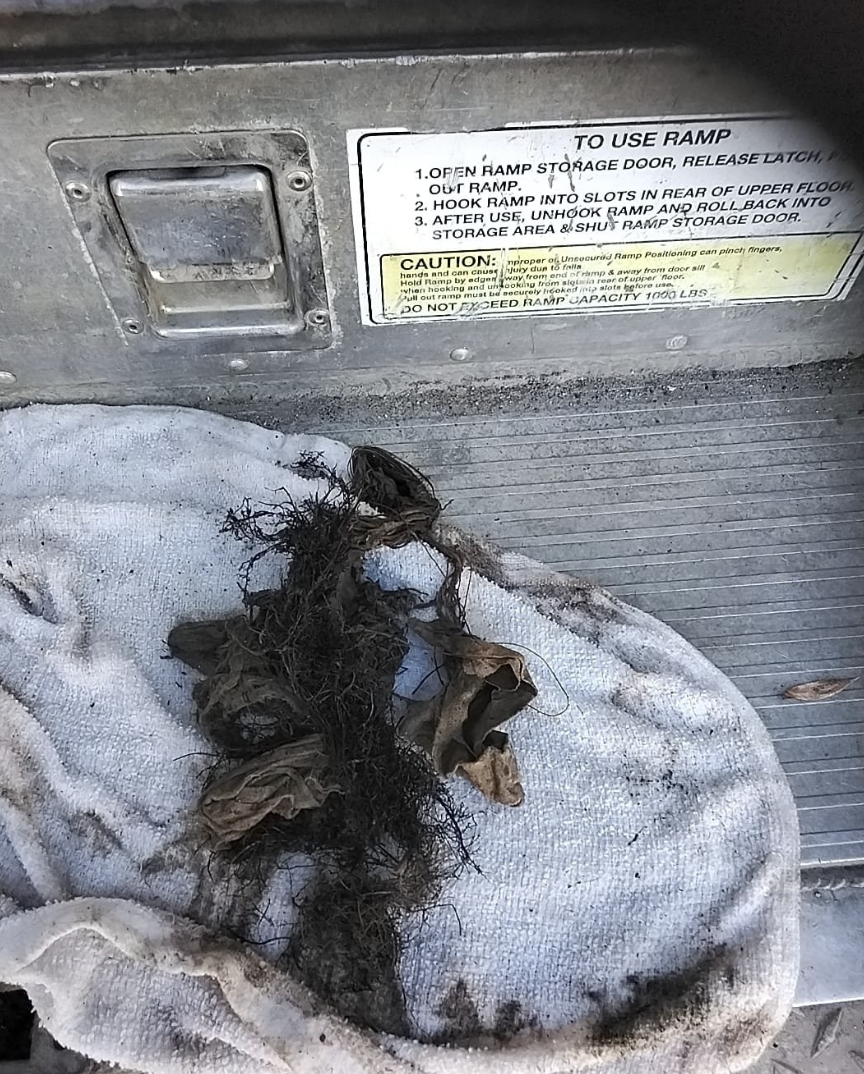
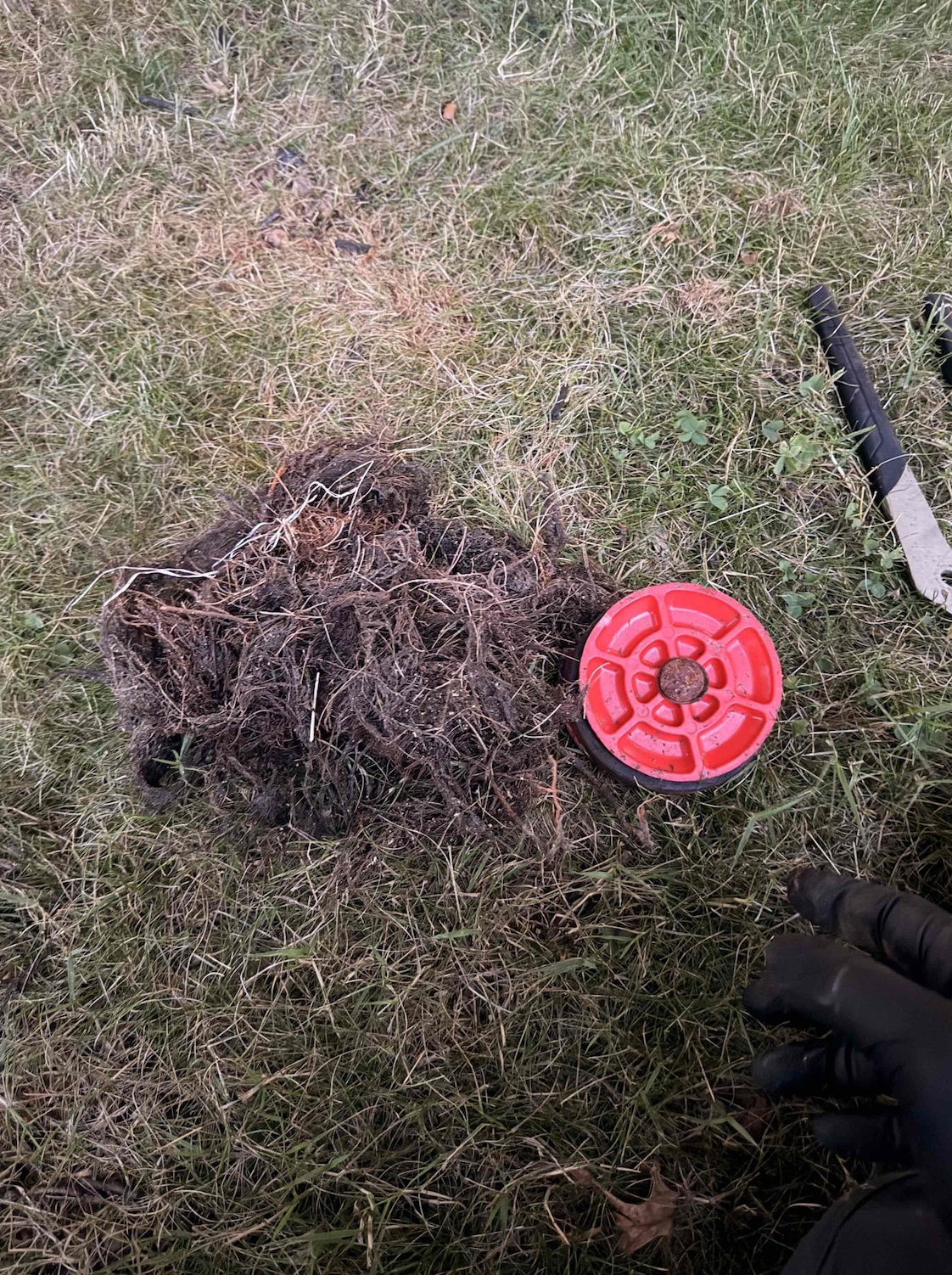
Aggressive tree roots. Maple, oak, and pine roots sense moisture and grow directly toward sewer lines. Once a root finds a tiny crack or joint in your house-to-tank line, it grows inside the pipe and creates a mesh that catches everything flowing through. Foster's mature tree canopy makes this the single most common cause of septic backups we see out here.
Older systems on rural properties. Many Foster homes were built decades before modern septic design standards. Original cast iron or clay tile house-to-tank lines are still in service throughout town. These pipes crack, offset, and belly over time — and each of those problems creates a clog point.
Long horizontal runs. Rural properties often mean long distances from the house to the tank. The longer the pipe, the more places something can go wrong.
Rocky, uneven terrain. Foster's ledgy, glacial soil shifts and settles differently than the sandy soils elsewhere in Rhode Island. That movement stresses septic lines and joints over the years.
Warning Signs Your Septic Backup Is a Line Issue, Not a Tank Issue
Not every backup is the same, but a few patterns strongly suggest the problem is in your line rather than in your tank.
The backup happens even though the tank was recently pumped. Multiple fixtures back up at the same time — kitchen sink, tub, and toilet all sluggish. Gurgling sounds come from drains when other fixtures run. Sewage odors show up around the yard between the house and the tank, but not near the leach field. You see a patch of unusually green or wet grass in the run between the house and the tank. Backups are getting more frequent, not less, after each pump-out.
Any of these are strong signs that pumping alone won't solve the problem.
What Professional Drain Service Actually Does for a Septic Backup
When Zoom Drain responds to a septic backup call in Foster, we focus on the parts of the system a pumper doesn't address.
Camera inspection of the house-to-tank line. A waterproof camera pushed through your cleanout shows exactly what's happening between your house and the tank. We can find root intrusion, bellies, offsets, cracks, and blockages — and pinpoint their location so any repair can happen with minimum digging.
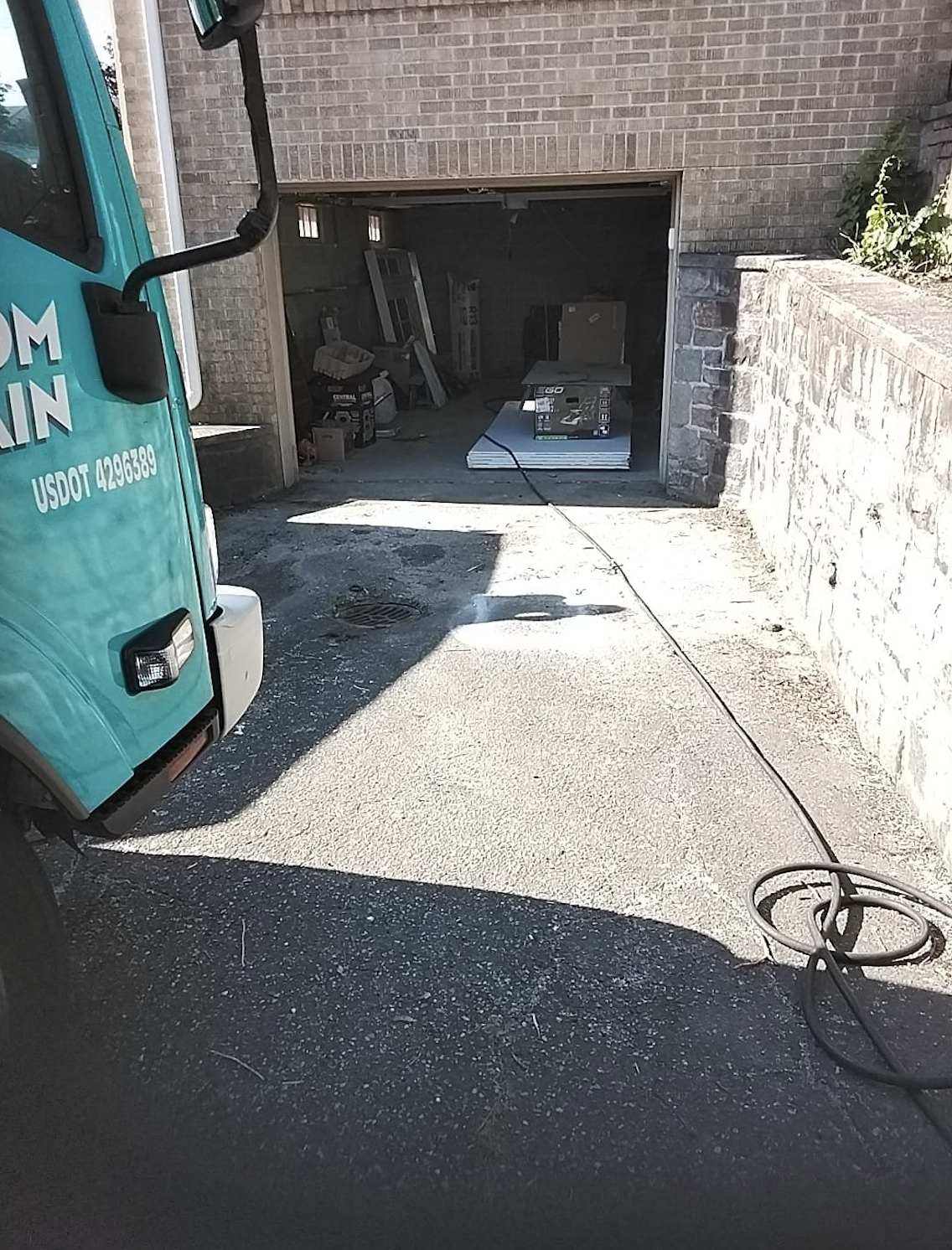
Hydro jetting of the line. For blockages caused by grease, sludge buildup, or root intrusion, hydro jetting is dramatically more effective than snaking. Pressurized water scours the entire inside of the pipe, cutting through roots and flushing out debris that a cable will just push around.
Root intrusion repair. If roots have already breached the line, we can address the immediate blockage and coordinate a spot repair, pipe lining, or lateral replacement to keep them from coming back.
Diagnosis you can trust. Sometimes the tank really is the problem. In that case, we tell you honestly and point you toward a reputable pumping service so you're not paying us to solve something outside our scope. That's how the drain and sewer specialty works — we do what we do exceptionally well and we're straight with you about the rest.
How to Prevent the Next Foster Septic Backup
Even a well-maintained septic system needs attention beyond the tank itself. A few simple habits protect your line and extend the life of your entire system.
Watch what goes down the drain. Grease, wipes labeled "flushable," coffee grounds, and food solids are all common line-cloggers. Keep an eye on trees planted near your septic line — some species are far more aggressive than others, and root barriers can be installed proactively. Schedule a camera inspection of your house-to-tank line every few years, especially if your home is more than 30 years old. If your household grows or you finish a basement bathroom, remember that you're adding load to a system designed for the original occupancy.
When to Call Zoom Drain
Call or book online for service in Foster, Scituate, Glocester, Coventry, Johnston, and the surrounding western Rhode Island communities. We'll show up on time, tell you honestly what we find, and give you a clear flat-rate quote to solve it.