

Living in the East Bay means water views, sea breezes, and some of the most charming neighborhoods in Rhode Island. It also means that every fall and winter, homeowners in Barrington, Bristol, and Warren keep an eye on the forecast for the next nor'easter rolling up Narragansett Bay.
When heavy rain, high tides, and storm surge hit the low-lying parts of the East Bay, basements are often the first place homeowners feel it. Sometimes the water in the basement isn't just groundwater seeping through the foundation. It's sewage coming back up through the floor drain. Here's why sewer backups happen during storms, why East Bay homes face extra risk, and how to protect your basement before the next big storm.
Why Storms Cause Sewer Backups
Your home's sewer line is designed to carry wastewater away from the house, downhill to the public sewer main. Under normal conditions, that works without a second thought. During a major storm, several things can go wrong:
- Overloaded sewer mains. Heavy rain can find its way into sanitary sewer systems through cracked pipes, loose manhole covers, and improper connections. When the main is running full, wastewater has nowhere to go.
- Backflow. When the main can't keep up, wastewater can push back up the sewer lateral toward your home and out through the lowest opening it can find. In most homes, that's the basement floor drain, a basement toilet, or a laundry sink.
- Groundwater intrusion. Saturated soil and high water tables push water into cracked or deteriorated laterals, adding even more volume to the system.
- Blocked laterals. If your sewer line is already partially blocked by roots, grease, or debris, it takes far less water to cause a backup.
Why East Bay Homes Face Extra Risk
Low elevations and high water tables
Much of the East Bay sits close to sea level, with neighborhoods along the Warren and Kickemuit Rivers, Bristol Harbor, and the Barrington shoreline, where the water table is high and drainage can be slow. During storms with high tides, the ground stays saturated and systems drain more slowly.
Historic homes and aging pipe
Bristol's historic district, Warren's village center, and many established Barrington neighborhoods are full of homes built generations ago. Many still have original clay, cast iron, or Orangeburg sewer laterals that have cracked, shifted, or corroded over time, letting in groundwater and roots.
Finished basements
Many East Bay homeowners have finished their basements into family rooms, offices, or guest spaces. A sewer backup in a finished basement can damage flooring, drywall, furniture, and belongings, and it creates a serious sanitation issue.
Five Ways to Protect Your Basement This Season
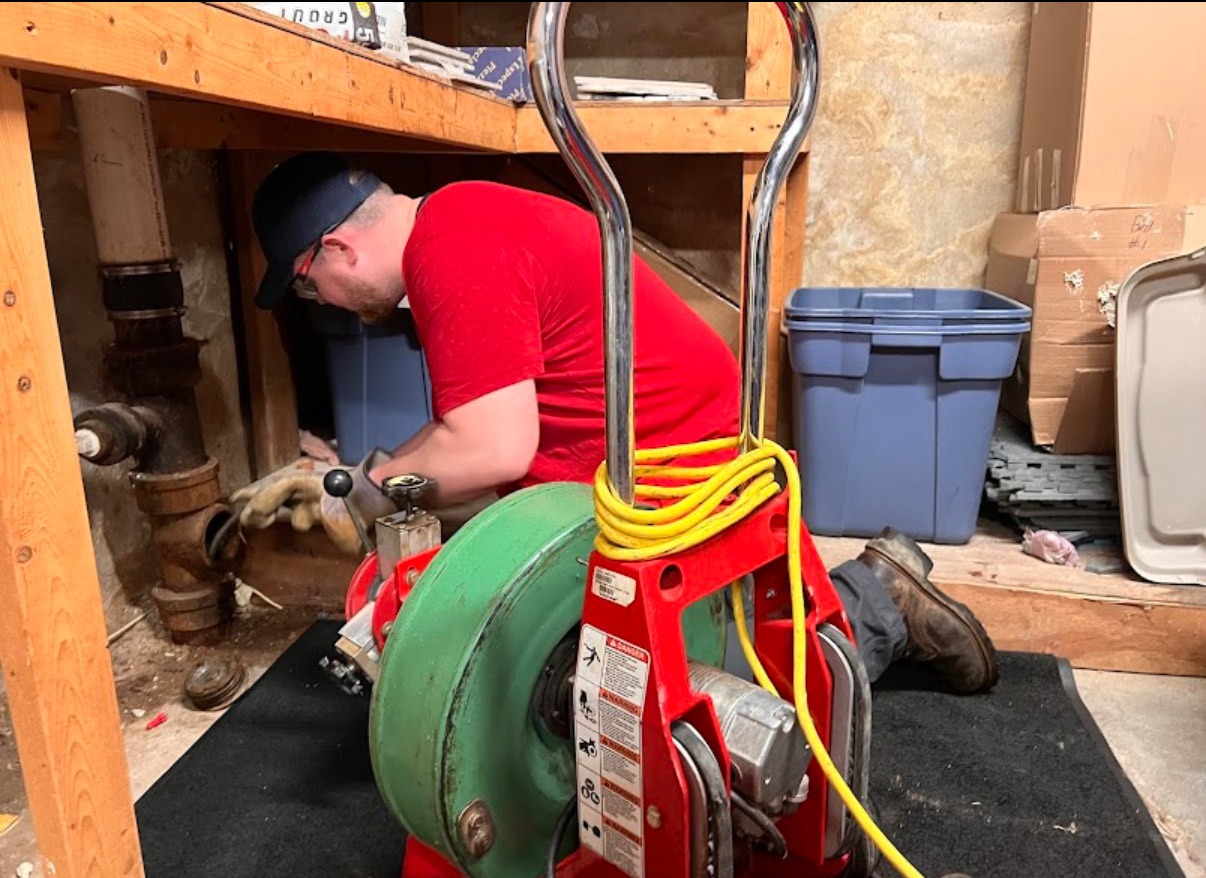
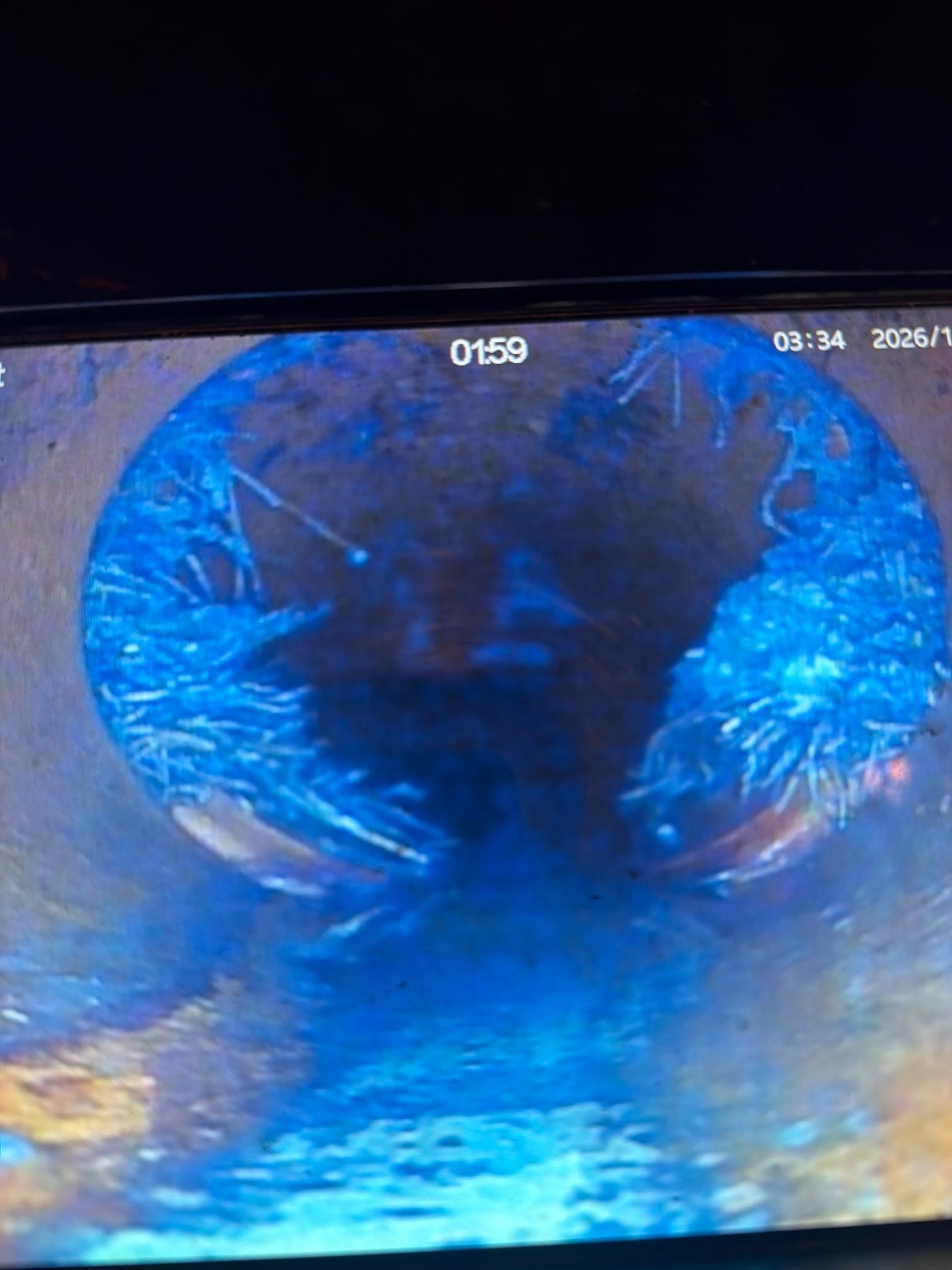
- Have your sewer line inspected and cleaned. A clear line handles surges far better than one that's half-blocked. A video camera inspection shows the condition of your lateral, including cracks, roots, and sags. Professional sewer cleaning or hydro jetting clears buildup so your line flows at full capacity.
- Ask about a backwater valve. A backwater valve lets wastewater flow out of your home but closes automatically if sewage tries to flow back in. For homes in flood-prone areas, it can be the difference between a dry basement and a major cleanup. Local codes and permit requirements vary, so check with your town before installation.
- Test your sump pump. Pour a bucket of water into the sump pit and make sure the pump turns on and discharges water away from the house. Listen for grinding or rattling, and check that the discharge line is clear and not frozen or buried in leaves. If your pump is aging, running constantly, or not keeping up, look into pump repair and replacement before storm season peaks.
- Clear exterior drains and downspouts. Fallen leaves pile up fast in October. Clogged yard drains, area drains, window well drains, and downspouts send stormwater straight toward your foundation. Our exterior drain services keep water moving away from your home.
- Keep your basement floor drain clear. A floor drain clogged with sediment and debris can't do its job when water arrives. Basement drain cleaning makes sure water on the floor can drain away.
Before the Storm: A Quick Prep Checklist
- Move valuables, electronics, and important documents off the basement floor
- Test the sump pump and consider a battery backup
- Clear gutters, downspouts, and yard drains
- Know where your main sewer cleanout is
- Keep a flashlight, rubber boots, and gloves handy
- Save Zoom Drain's number in your phone: (401) 496-9669
During the Storm
- Limit water use. Avoid running the dishwasher, washing machine, and long showers during heavy rain, when the sewer system is under the most strain.
- Watch the basement. Check floor drains and low fixtures periodically for signs of backup.
- Don't open the cleanout during a backup unless directed by a professional.
If a Sewer Backup Happens
- Stay out of standing sewage. Sewage carries bacteria and other contaminants. Keep children and pets away from the affected area.
- Stop using water throughout the house to avoid adding to the backup.
- Avoid electrical hazards. Don't enter a flooded basement if water is near outlets, appliances, or the electrical panel.
- Call a drain professional right away. The sooner the line is cleared, the less damage you'll deal with.
- Document the damage with photos and contact your insurance company.
- Find the cause. After the line is cleared, a camera inspection can identify whether a blockage or damaged pipe contributed to the backup, so you can prevent it from happening again.
Warning Signs Your Line May Back Up in the Next Storm
- Gurgling drains or toilets after heavy rain
- Slow drains throughout the house
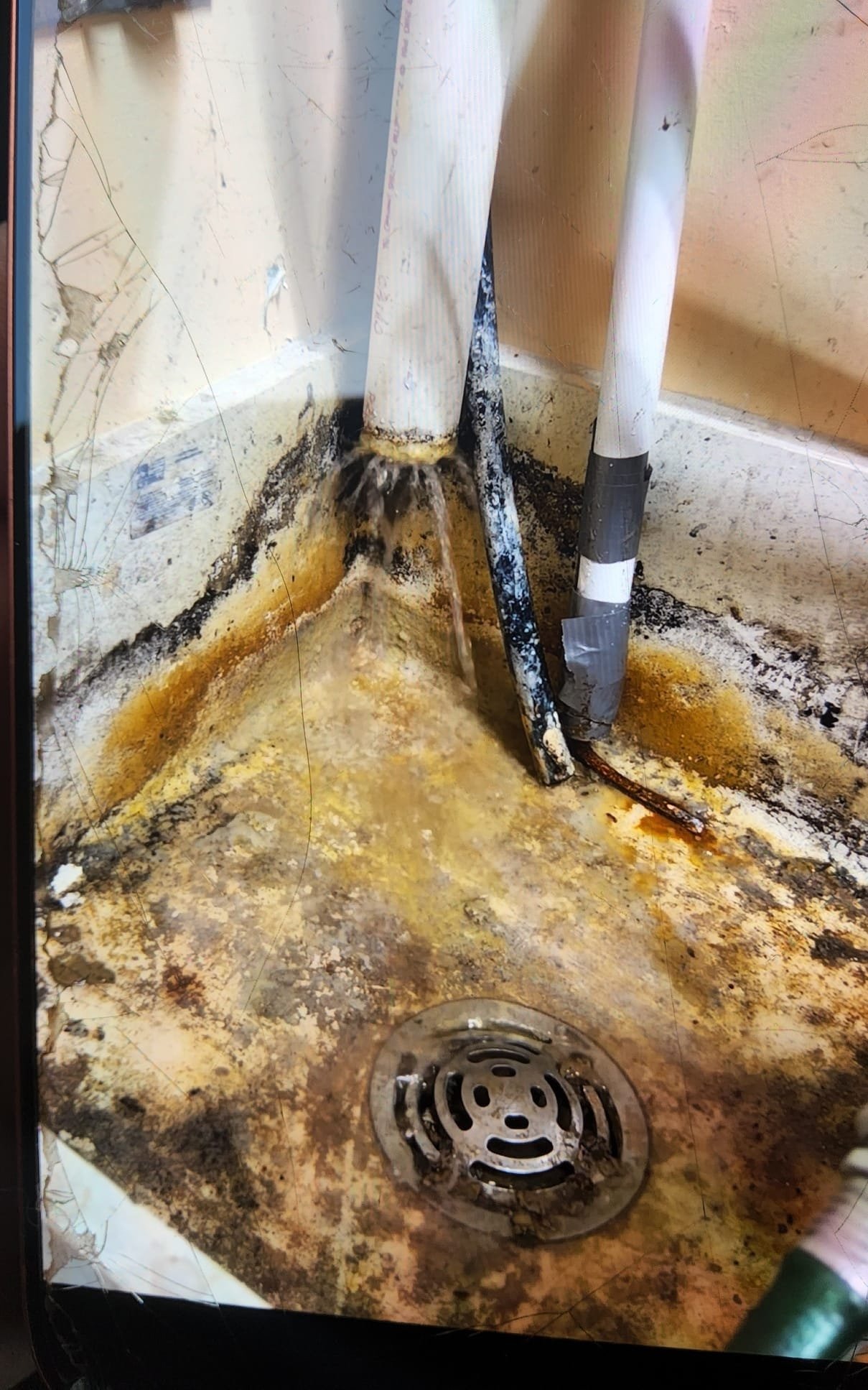
- Water appearing around the basement floor drain during storms
- Sewage odors in the basement
- Past backups, even small ones
Frequently Asked Questions
Why does my basement floor drain back up only when it rains?
That's a strong sign that stormwater is overloading the sewer system or getting into your lateral through cracks or defects. A camera inspection can help pinpoint the cause.
Is a sewer backup the same as basement flooding?
Not always. Flooding can come from groundwater, surface water, or failed sump pumps. A sewer backup specifically involves wastewater coming back up through your drains. Both call for fast action.
Does homeowner's insurance cover sewer backups?
Many standard policies don't cover sewer backups without a specific endorsement. Check your policy and talk to your agent before storm season.
How often should I have my sewer line cleaned?
It depends on your home's age, pipe material, trees on the property, and history of backups. Our technicians can recommend a schedule, and a planned maintenance program makes it easy to stay on track.

Serving Barrington, Bristol, Warren & the East Bay
Zoom Drain of Rhode Island serves homeowners throughout the East Bay, including Barrington neighborhoods like Nayatt, Hampden Meadows, and West Barrington; Bristol, from the historic downtown and Hope Street area to Poppasquash and the Silver Creek area; and Warren, including the village center and neighborhoods along the Kickemuit River. We also serve East Providence, Riverside, Tiverton, Portsmouth, and communities across the state. Visit our areas we serve page to learn more.
Don't wait for the next nor'easter to find out your sewer line can't keep up. Call Zoom Drain of Rhode Island at (401) 496-9669 or schedule service online. We're on call 24/7, 365 days a year, including during storms.