


The first significant fall rainstorm in South County doesn't announce itself with much warning. It arrives on a Tuesday evening in October — a nor'easter that drops two inches of rain overnight — and by Wednesday morning, a homeowner in Narragansett or North Kingstown is standing in their basement in an inch of water, looking at a sump pump that ran all summer without being tested and quietly stopped working somewhere in the process.
September is the month to find out. Not October, when the rains are already here. Not November, when they've been here for weeks. September, while the conditions are still dry enough that you can test, inspect, and service the systems that protect your home from what's coming.
For homeowners in South County — South Kingstown, Narragansett, North Kingstown, Wakefield — and across Newport County, the drainage challenges are real and in some cases distinct from the rest of the state. Here's what to know and what to do before the weather changes.
.jpeg)
Why South County and Newport Properties Face Distinct Drainage Challenges
Southern Rhode Island's geography creates specific conditions that make drainage a front-of-mind issue for many property owners in this part of the state.
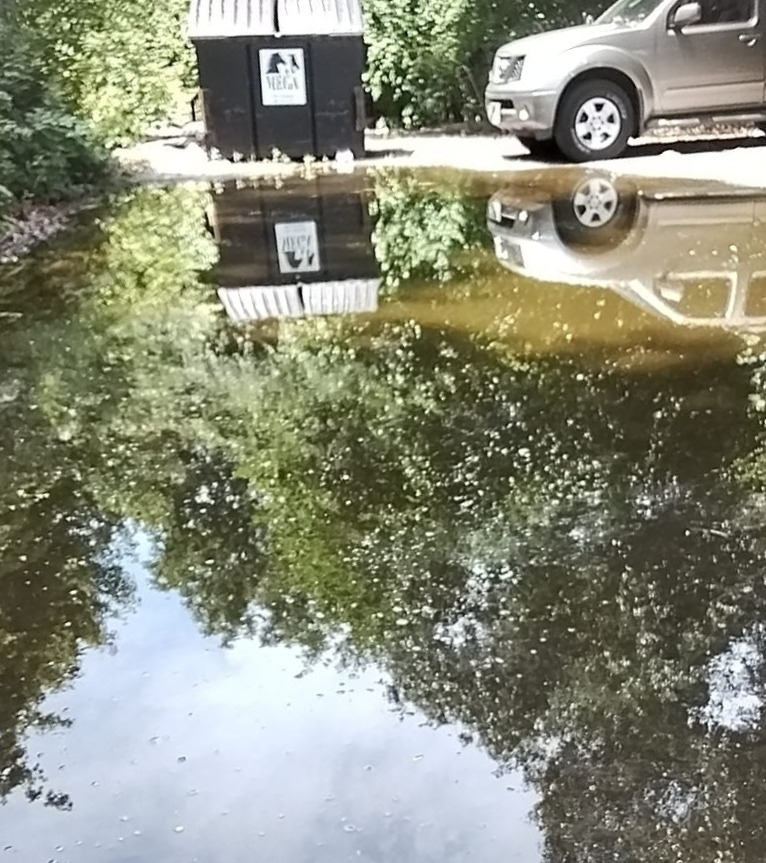
High water tables in coastal and near-coastal areas. Properties near Narragansett Bay, the salt ponds, and the river systems feeding into them often sit above a water table that rises significantly during wet periods. Even homes a mile or two from the water can experience subsurface water pressure against their foundations when fall and winter precipitation raises the water table. That pressure is what a sump pump is managing — and if it fails, the water finds another way in.
Soil composition. Much of Washington County's soil is sandy and loamy — it drains quickly on the surface but channels subsurface water efficiently, which means a wet season moves groundwater toward lower-lying points, including your foundation.
Seasonal property transitions. South County and Newport include a significant stock of properties that operate differently in summer and winter — vacation homes, seasonal rentals, summer cottages that are being closed up in September after months of high occupancy. A property that was running at full capacity all summer may have drain systems that were stressed without being addressed. Conversely, properties that were vacant or lightly used are being re-opened for full-time fall living, and their drain systems may have issues that only surface when the house is in full use again.
Newport's density and older infrastructure. Newport's historic residential neighborhoods sit on older infrastructure — French drains and drainage systems installed in prior decades, aging sump pits, and in many cases drainage systems that predate the understanding of current best practices. The combination of dense development, heavy tree canopy, and aging drainage infrastructure makes Newport an area where drainage problems compound each other.
The Sump Pump: What It Does, How It Fails, and When to Find Out
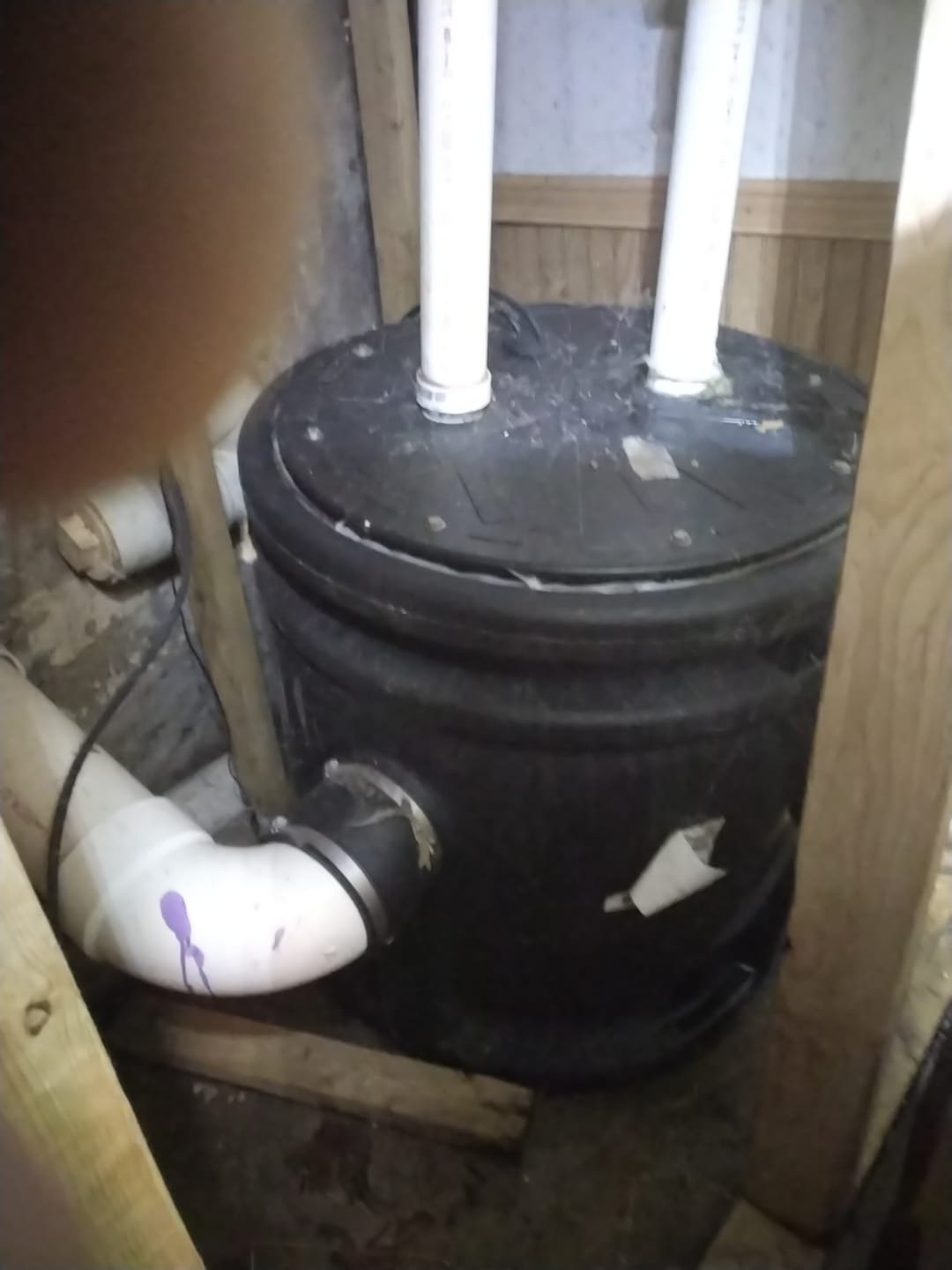
A sump pump sits in a pit at the lowest point of your basement or crawlspace. Its job is to collect water that accumulates through subsurface infiltration — from the water table, from foundation seepage, from drainage systems that terminate at the pit — and pump it out through a discharge line to a location away from the home.
It does this job intermittently, which is both its function and the source of the most common failure mode. A sump pump that ran regularly through last spring may have sat unused all summer. During that idle period, the float switch can stick, the impeller can seize from sitting dry, or the discharge line can develop a blockage that went unnoticed because there was nothing to discharge. The pump appears fine — it's just sitting there. The problem only becomes apparent when it's called on to run in earnest during a significant rain event, and it doesn't.
How to test your sump pump right now:
Pour a bucket of water slowly into the sump pit. The float should rise, trigger the pump to activate, and the pump should run until the pit is empty. Listen for the sound of the motor running and watch for the water level to drop. When the pit is empty, the pump should shut off automatically.
If the pump hums but doesn't move water, the impeller is likely jammed or the pump has failed. If the pump runs but water drains slowly, the discharge line may be partially blocked. If the pump doesn't activate at all, the float switch may be stuck or the pump has no power.
What to check beyond the basic test:
- Float switch movement. The float should rise freely in the pit and not be caught on the pump housing or the pit walls. Debris can accumulate in the pit over time and obstruct it.
- Discharge line. Trace the discharge line from the pump to where it exits the home. The exterior discharge point should be clear and directed away from the foundation — not toward a downspout or drainage path that could route water back.
- Pump age. The average sump pump lasts 7 to 10 years. If you don't know how old yours is — and many homeowners don't — the installation date is often on a label on the pump housing. A pump approaching or past 10 years that hasn't been serviced is worth replacing before a major rain event rather than after.
- Battery backup. In many South County and Newport homes, power outages accompany the same storms that drive heavy rain. A primary pump without a battery backup is a pump that fails precisely when you need it most. If yours lacks a backup, September is the time to add one.
Exterior and Yard Drains: The Part of the System Nobody Thinks About
A sump pump handles water that gets inside the foundation. Exterior drains handle water before it gets there — and they're just as likely to be neglected.
Catch basins, channel drains, French drains, and yard drainage systems collect surface water around the foundation and in low areas of the property, directing it away from the house through underground pipe runs. They work until they don't — and the reason they stop working is almost always accumulation.
A summer's worth of yard activity deposits leaves, grass clippings, soil, and organic debris into exterior drain systems. By September, catch basin grates may be partially or completely blocked, interior basins may have accumulated enough sediment to restrict inflow, and the underground runs leading away from them may have debris blockages or root intrusion in areas that haven't been checked.
The problem with a blocked exterior drain becomes apparent during the first significant fall rain. Surface water that should enter the catch basin and route away from the house has nowhere to go. It pools. It routes toward the foundation. It finds its way in.
Signs an exterior drain needs attention:
- Standing water near the foundation after any rain, even a light one
- Visible debris or sediment at the catch basin grate that you can't clear by hand
- Water that routes along the foundation rather than entering a drain
- A drain that used to move water quickly and now does so slowly or not at all
- Unusually saturated soil near the foundation even in dry periods (suggesting a drain that is leaking into the surrounding soil rather than flowing to its termination point)
What Professional Drainage Service Includes
Sump pump inspection and service. A technician inspects the pump, tests the float switch, checks the discharge line for blockage, assesses the pit for debris accumulation, and provides a clear assessment of the pump's condition and estimated remaining service life. Replacement is handled on the same call if warranted — we carry standard residential and commercial-grade pumps.
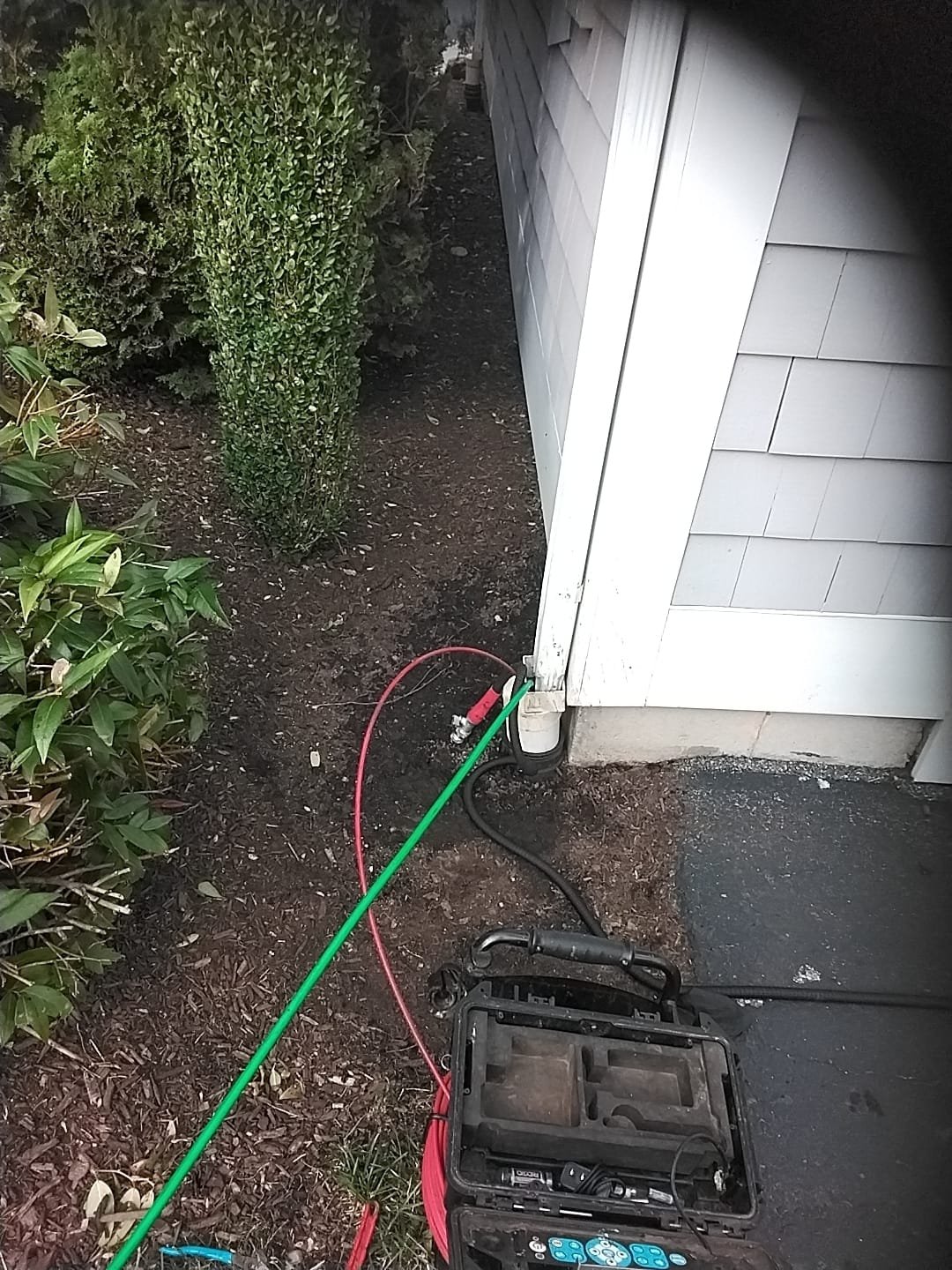
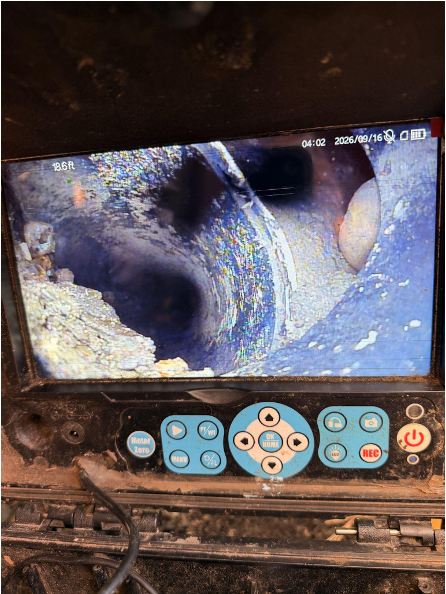
Exterior drain cleaning. Catch basins are cleaned of accumulated sediment. Drain grates and basin interiors are cleared. Underground drainage runs can be hydro jetted to remove debris, root intrusion, or sediment blockages that restrict flow. Camera inspection of underground drainage pipe identifies any structural issues — cracking, offset joints, or sections that have settled and lost their grade.
Integrated assessment. In some properties, the sump pump and the exterior drain system are connected — the exterior drainage routes to the sump pit. An assessment of both systems together reveals whether they're working together effectively or whether a problem in one is affecting the other.
Frequently Asked Questions
How do I know if my sump pump needs to be replaced vs. serviced? The bucket test tells you whether it runs. A technician can assess whether what you're seeing — slow pumping, unusual noise, cycling behavior — is a serviceable issue or an indication the pump is at end of life. Pumps that are 10+ years old and showing any performance issues are generally best replaced rather than serviced; the cost of replacement is modest relative to the cost of a flooded basement.
My exterior drain worked fine last year. Does it need to be checked? If it's accessible and you can verify water moves through it freely, you may be fine. If you're not certain — or if it's been more than a year since it was cleaned out — September is the right time to check. Debris accumulates annually, and it's cumulative: a drain that handled last fall well may not handle this fall well with another year of debris on top.
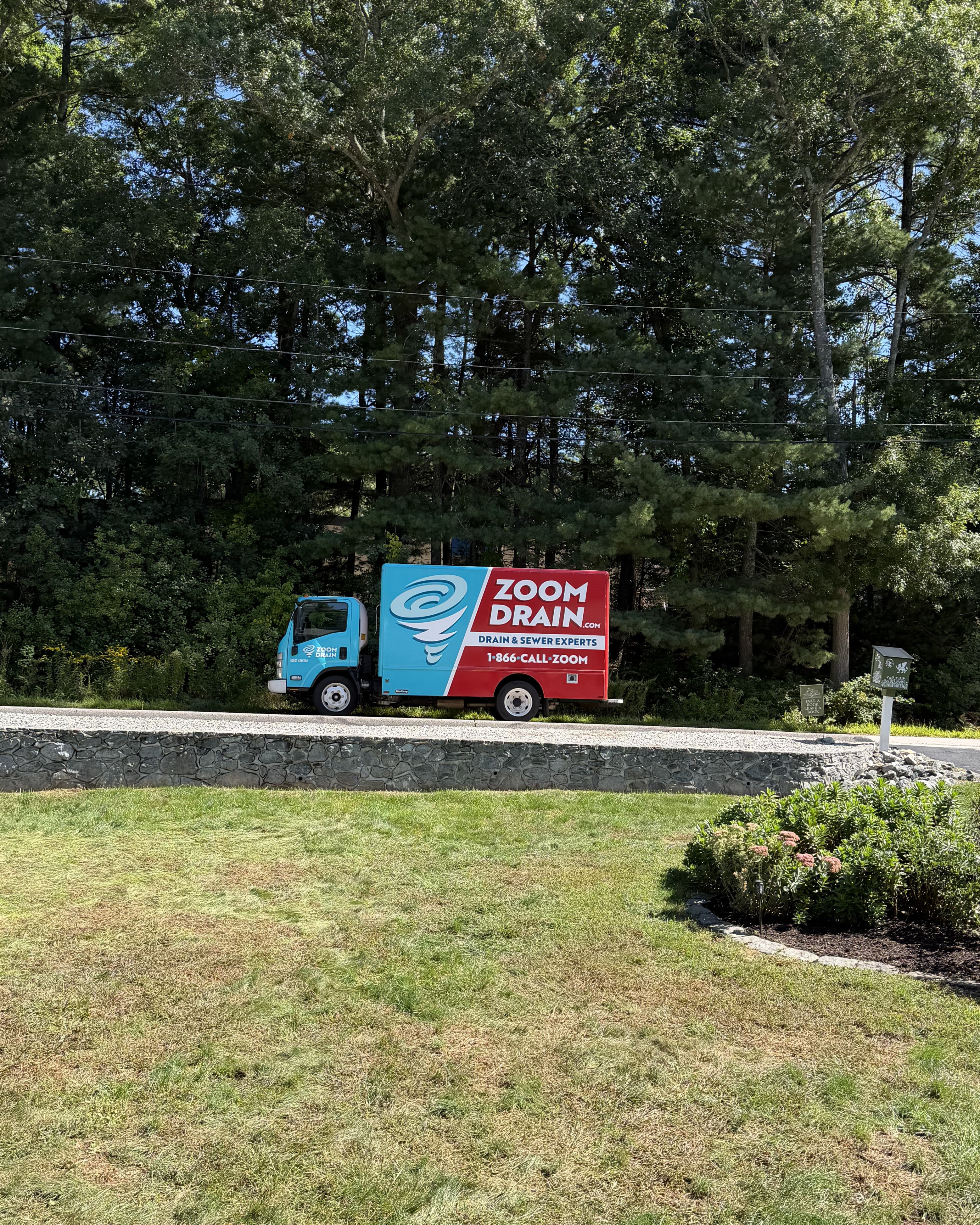
Do you service properties in the South County and Newport areas? Yes. Zoom Drain Rhode Island serves South Kingstown, Narragansett, North Kingstown, Wakefield, and all of Newport County — including Newport, Middletown, and Portsmouth. We provide sump pump inspection and replacement, exterior drain cleaning, and camera inspection of underground drainage systems throughout the area.
What if I have a battery backup sump pump — does that need to be checked too? Yes. Battery backups have their own float switches and their own potential failure points. The battery itself — typically a marine deep-cycle battery — has a finite lifespan and should be tested under load annually. A backup that's three or more years old may not have enough reserve capacity to run through a long storm outage. Test it with the bucket method the same way you test the primary pump.
Don't Let the First Rainstorm Be Your Test
The sump pump and the yard drains protecting your South County or Newport home have been sitting idle for most of the dry summer months. September is the time to find out if they're ready — not October, when you're standing in water trying to make an emergency call in a storm.
Call Zoom Drain Rhode Island to schedule a sump pump inspection and exterior drain assessment before fall. We serve all of South County and Newport County, and we'd rather help you prevent a flooded basement than respond to one.
Zoom Drain Rhode Island provides sump pump inspection, repair and replacement, exterior drain cleaning, and camera inspection services throughout South County, Newport County, and all of Rhode Island.