

.2608241034217.jpg)
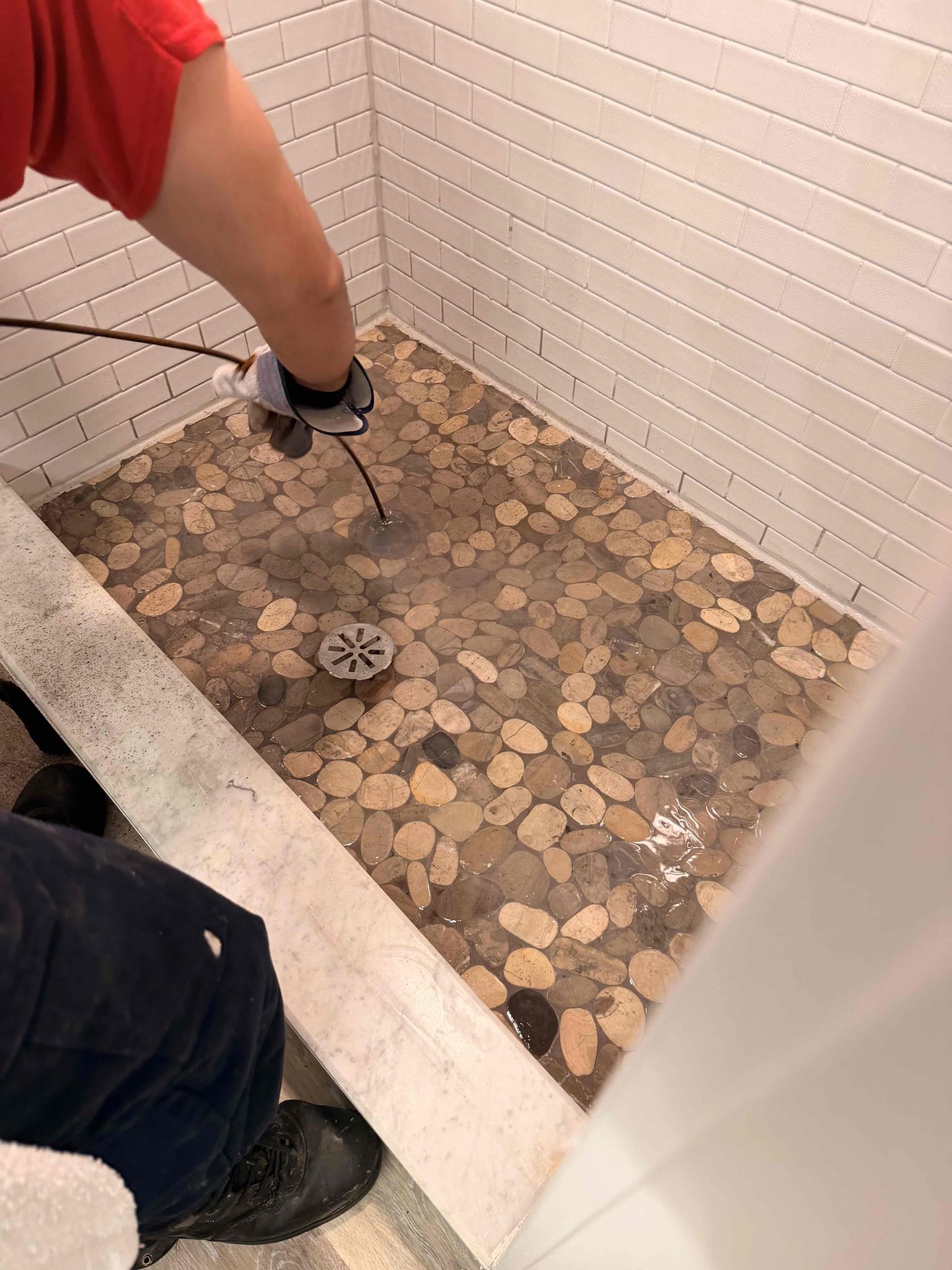
The slow drain in a Foster colonial wasn't always slow. When the house was built in 1958, the pipes were new; factory-smooth cast iron running clean from every fixture to the street. Sixty-eight years later, those same pipes are corroded, scaled, and in some places operating at a fraction of their original capacity. The family that lives there now assumes the slow bathroom sink is just the way old houses are.
It's not. It's a symptom. And the longer it goes unaddressed, the closer it gets to becoming something a lot more disruptive than a slow drain.
If you own an older home in Foster, Glocester, Scituate, or anywhere in northwestern Rhode Island, here's what you need to understand about what's happening inside your pipes and what to do about it.
What Happens to Drain Pipes as They Age
The drain pipes in your home are not maintenance-free infrastructure. They degrade over time, and the rate of degradation depends on the material, the soil conditions, the tree coverage above them, and how they've been used over the decades. Most homeowners in older northwestern Rhode Island homes have pipes made of one of two materials: cast iron or clay tile. Both were standard before PVC became the norm in the 1970s, and both behave very differently from the smooth plastic pipe in newer construction.
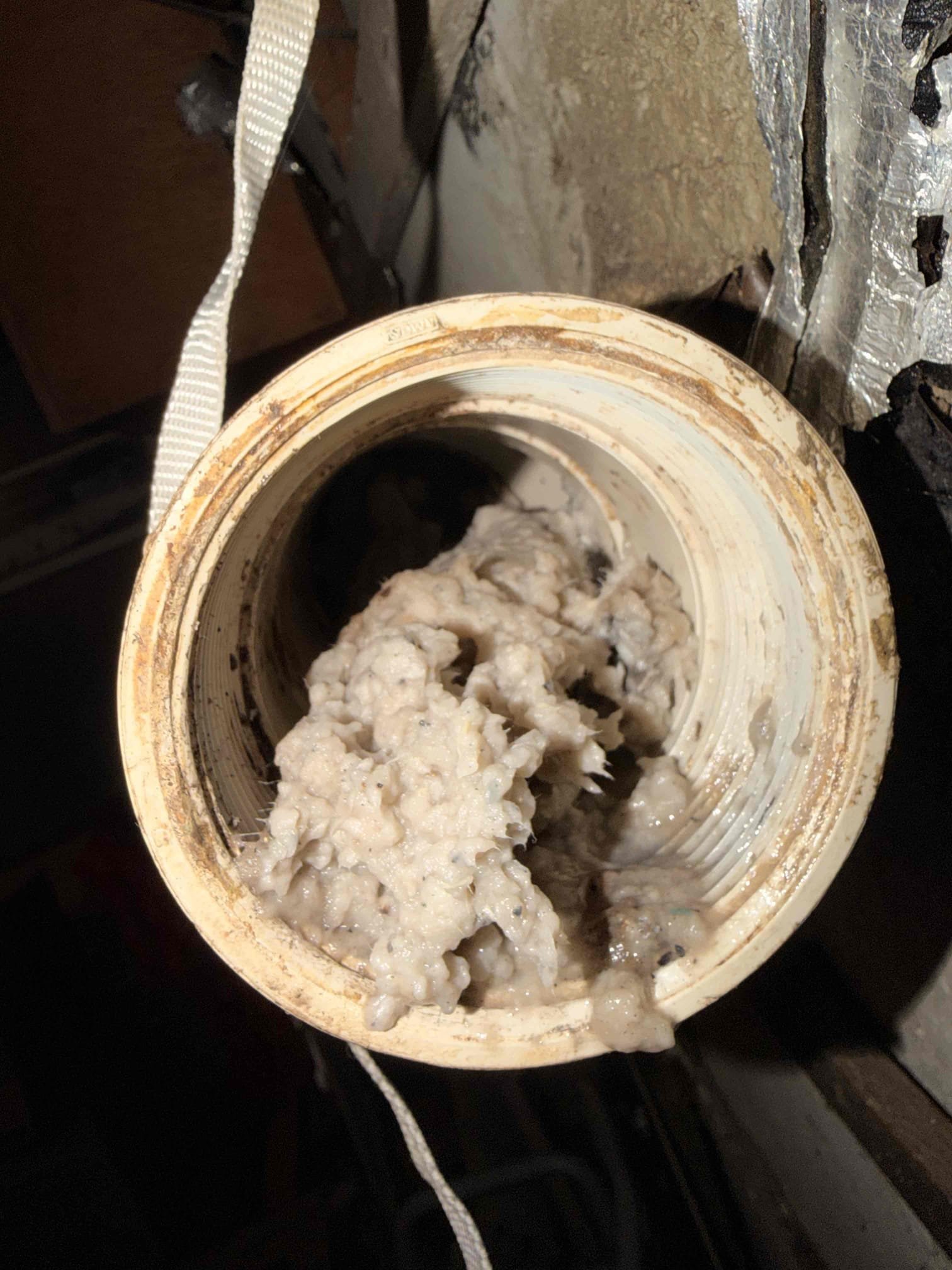
Cast iron is durable but not impervious. Over time, the interior of a cast iron drain pipe corrodes and develops a rough, pitted surface. That texture creates the ideal surface for grease, soap scum, mineral deposits, and biofilm to adhere to and accumulate. What starts as a perfectly round 4-inch pipe gradually becomes something closer to 2 inches of effective opening, coated in a rough buildup that catches everything that passes through it. The pipe didn't crack or fail; it just slowly filled in. And because the buildup happens gradually, most homeowners don't notice until drains are significantly restricted.
Clay tile ages differently. Clay sewer pipes were laid in sections with bell-and-spigot joints sealed with mortar or rubber gaskets. As soil settles, expands, and contracts through decades of freeze-thaw cycles — a significant factor in rural Rhode Island — those joints shift. A pipe that was once a continuous, sealed run becomes a series of slightly offset sections with small gaps at each joint. Those gaps are entry points for tree roots, and they're also the points where waste can leak out into the surrounding soil rather than flowing to its destination. Meanwhile, the offset sections create low spots (called belly sections) where solids collect and accumulate rather than flowing through.
Neither of these problems is unusual in a home that's 50 to 80 years old. Both are diagnosable, and neither one will resolve itself.
Why Northwestern Rhode Island's Housing Stock is Especially Affected
The towns of Foster, Glocester, and Scituate have some of the oldest housing stock in the state relative to their population density, and much of it was built in an era when cast iron and clay were the only options. These homes also sit in conditions that accelerate the kinds of aging described above.
Freeze-thaw cycles in rural areas are more severe than along the coast, where moderating ocean temperatures reduce the extremes. The soil surrounding underground pipes in Foster and Glocester expands and contracts more dramatically through the winter and spring, putting more movement stress on pipe joints over time.
Dense tree coverage accelerates root pressure. Established maples, oaks, and birches, many of which were planted or growing since these homes were built, have root systems that have grown directly alongside drain infrastructure for decades. The roots find open joints, enter, and grow. This is true across all of northwestern Rhode Island, but is especially pronounced in heavily wooded properties, which in Foster, Glocester, and Scituate describes most of them.
Summer amplifies the symptoms. With families at home, guests visiting, and heavier household water usage through the summer months, aging pipes that were managing adequately start to show their limits. If you've noticed drains getting sluggish since June or July, you're not imagining it; increased load reveals pipe restrictions that lighter usage was masking.
Symptoms That Signal a Pipe Problem, Not Just a Clog
A simple clog — hair in a shower drain, grease in a kitchen sink — typically affects one fixture. The solution is usually straightforward: clear the drain, done.
Symptoms that point to something deeper in the pipe system are different in character. If you're seeing any of the following, the problem is likely in the drain line itself, not just in one fixture:
- Multiple slow drains at the same time. When the kitchen sink, a bathroom sink, and the shower are all running slower than usual, a single clogged fixture isn't the explanation.
- Gurgling sounds from the toilet when another drain runs — the washing machine, the shower, the kitchen sink. This is a sign that the main line is partially obstructed and air is being displaced through the toilet.
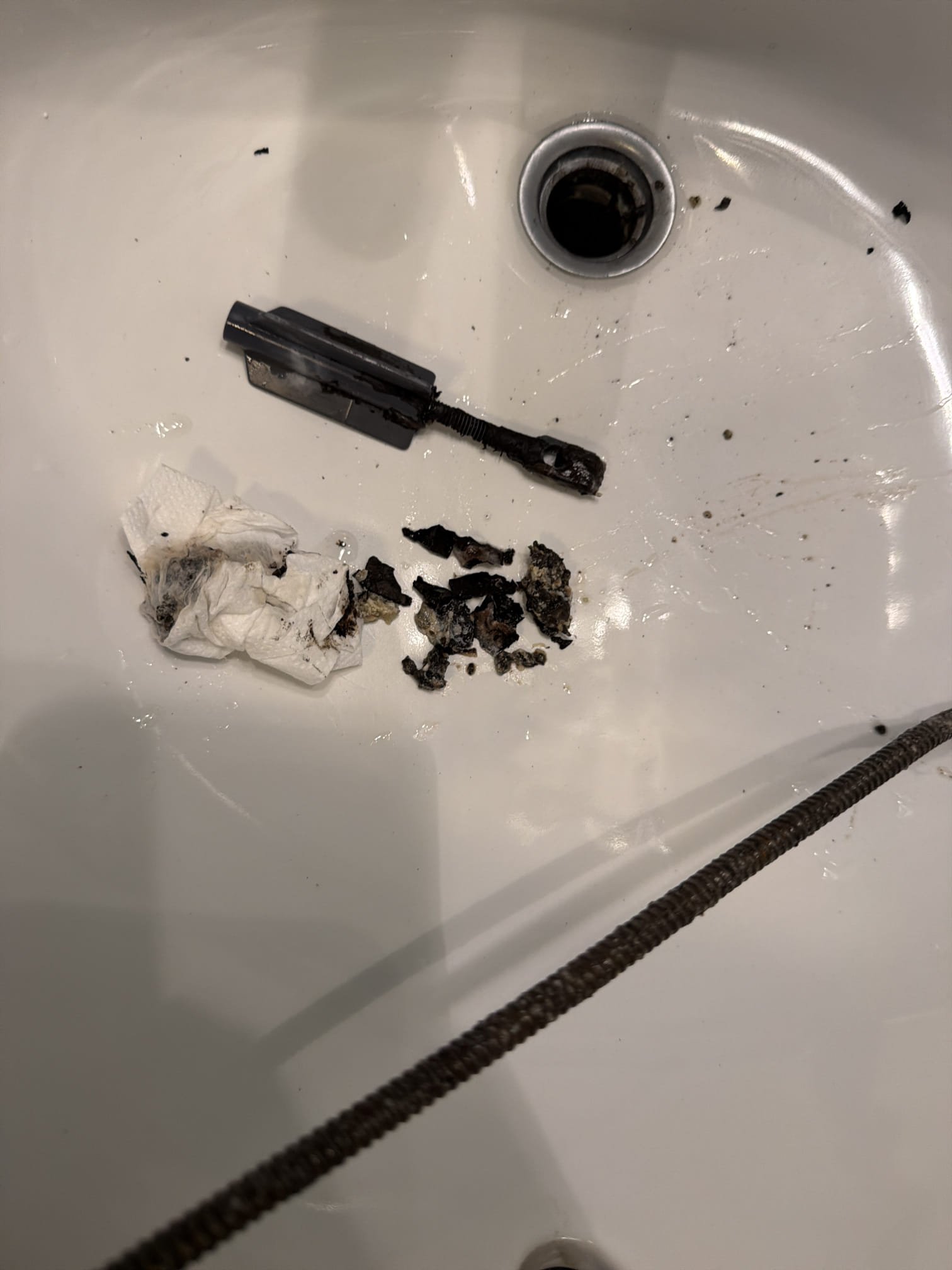
- Recurring slow drains despite prior cleaning. If a drain has been snaked once or twice and keeps slowing down, the pipe walls or the pipe structure itself is likely the issue, not just a one-time blockage.
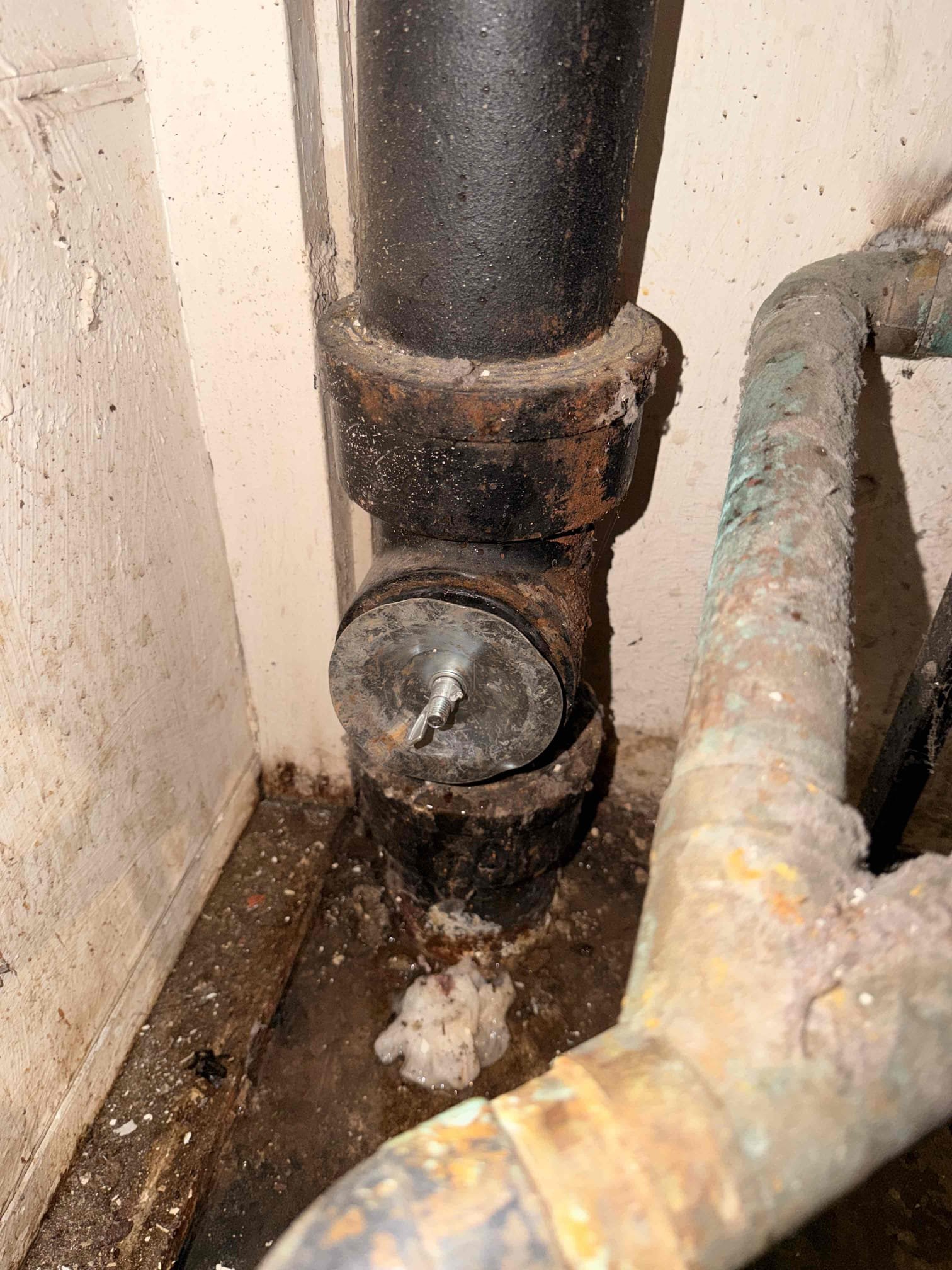
- Sewage odor in the basement or near floor drains. Partial blockages trap organic material that produces gas. Cracked or offset pipe joints leak both waste and odor into surrounding soil.
- Unusually lush or wet patches of grass in the yard over where a sewer line runs. Leaking pipe joints fertilize the soil above them, creating visible green stripes or wet patches that don't correspond to rainfall patterns.
If two or more of these are present in an older home in Scituate, Foster, or Glocester, a camera inspection of the drain line is the logical next step, not another round of snaking.
What a Camera Inspection Reveals
A drain camera inspection involves running a small, waterproof camera through the drain line from a cleanout access point. The camera transmits live video to a monitor, and a technician reads the pipe condition in real time as the camera moves through the system.
What the camera shows:
- Mineral scale and corrosion inside cast iron pipe — how thick the buildup is and how much it's restricting flow
- Offset joints in clay tile pipe — where sections have shifted and by how much
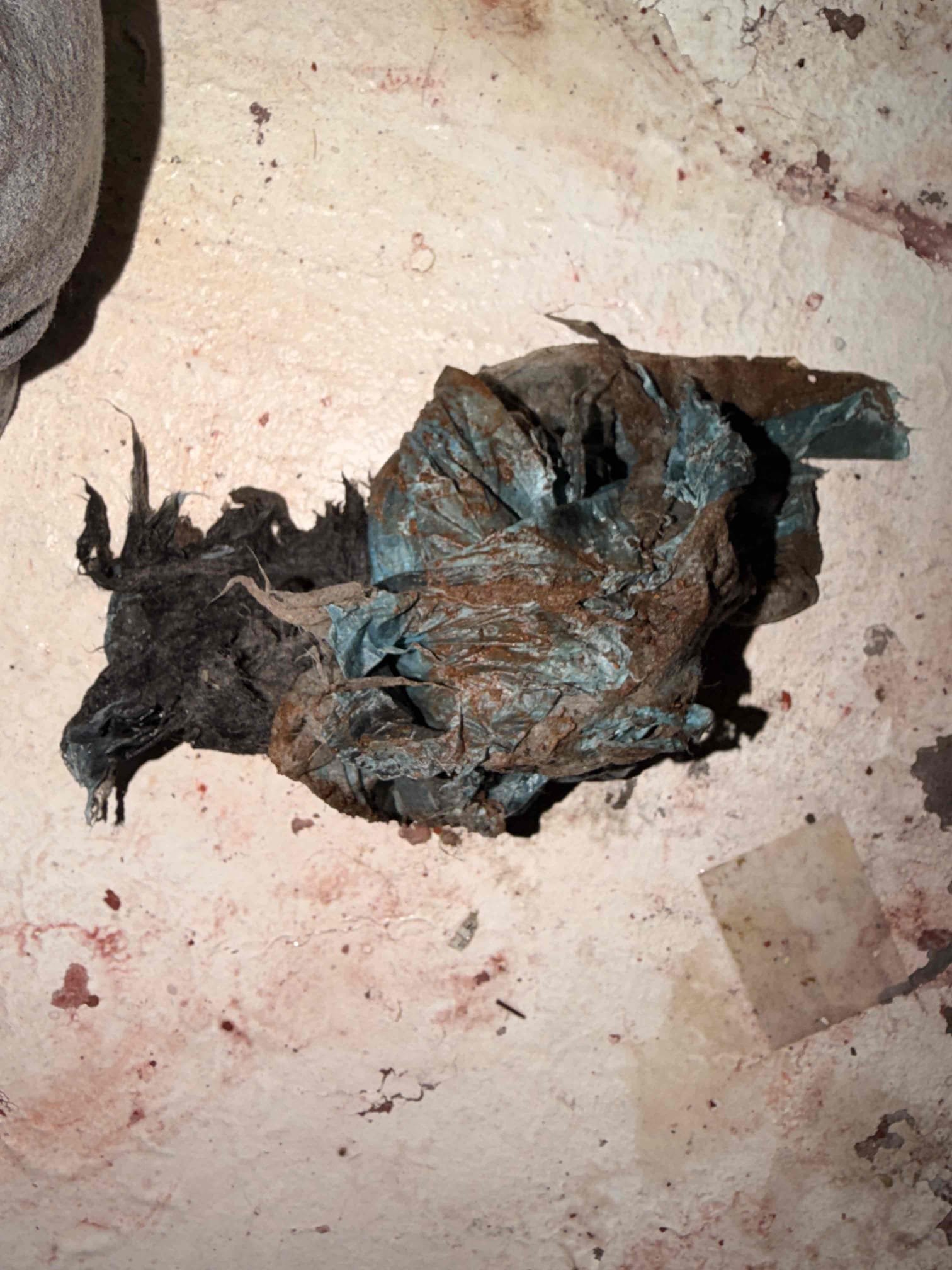
- Root intrusion — where roots have entered, how dense they are, and how far they extend
- Belly sections — low spots in the pipe run where solids are pooling
- Cracks or structural damage — breaks in the pipe wall that indicate where a repair or replacement may be warranted
That information tells you exactly what you're dealing with. A camera inspection removes all guesswork and lets you make informed decisions — whether the answer is a targeted hydro jetting to clear scale and roots, a spot repair at a specific offset joint, or a more comprehensive lateral repair or lining project if the damage is widespread.
It also gives you documentation. For older homes that may be on the market eventually, a clean camera inspection report is a meaningful piece of due diligence. For homeowners planning to stay long-term, it's a baseline that lets you track pipe condition over time.
Frequently Asked Questions
Is a slow drain always a sign of a serious problem in an older home? Not always. A single slow fixture can be something as simple as a hair trap or a vented drain issue. But in homes built before 1980, especially ones with recurring slow drains or multiple affected fixtures, a camera inspection is worth doing to rule out the more significant causes.
How long do cast iron drain pipes last? In good conditions, cast iron can last 75 to 100 years. In older homes with heavy tree coverage, hard water, and decades of grease and scale buildup — which describes a lot of Foster, Glocester, and Scituate homes — the effective lifespan is often shorter. The only way to know where your pipes stand is to look inside them.
What's trenchless pipe lining, and is it an option for older NW RI homes? Trenchless lining involves inserting a resin-coated liner into the existing pipe, which then hardens to form a new, smooth pipe within the old one. It's a viable option for pipes that are cracked or deteriorating but still structurally present. It avoids the need for major excavation. Whether it's appropriate for a specific pipe depends on the inspection findings.
Does Zoom Drain service Foster, Glocester, and Scituate? Yes. Zoom Drain Rhode Island serves all of northwestern Rhode Island, including Foster, Glocester, Scituate, Burrillville, Harrisville, Pascoag, and Chepachet.
Don't Diagnose It Yourself — See What's Actually There
Slow drains in an older home aren't a quirk to live with. They're a signal from pipes that have been working without inspection or maintenance since before most of their current owners were born. The only way to know what's causing them and what to do about it is to look.
Call Zoom Drain Rhode Island to schedule a drain camera inspection. We'll show you what's inside your pipes in real time — scale, roots, offset joints, and all — so you can make a clear-eyed decision about what comes next. No guessing, no unnecessary work, no surprises.
Zoom Drain Rhode Island provides drain camera inspection, hydro jetting, and drain cleaning services throughout northwestern Rhode Island, including Foster, Glocester, Scituate, Burrillville, Harrisville, Pascoag, and Chepachet.