

.2608190947315.jpg)
You had a plumber out in the spring. The drain cleared, water ran fine, and you figured the problem was solved. Then, sometime around midsummer, the drain slowed again. You called the same plumber. They came back, snaked it again. Two months later, you're watching water pool in the shower.
If this cycle sounds familiar, you're not imagining it, and it's not a coincidence. The problem isn't that the clog keeps coming back. It's that it was never fully cleared in the first place.
This is one of the most common frustrations we hear from homeowners in Harrisville, Pascoag, and Burrillville, and it almost always comes down to the same thing: the difference between a drain snake and a hydro jet, and why that difference matters more than most people realize.
What a Drain Snake Actually Does
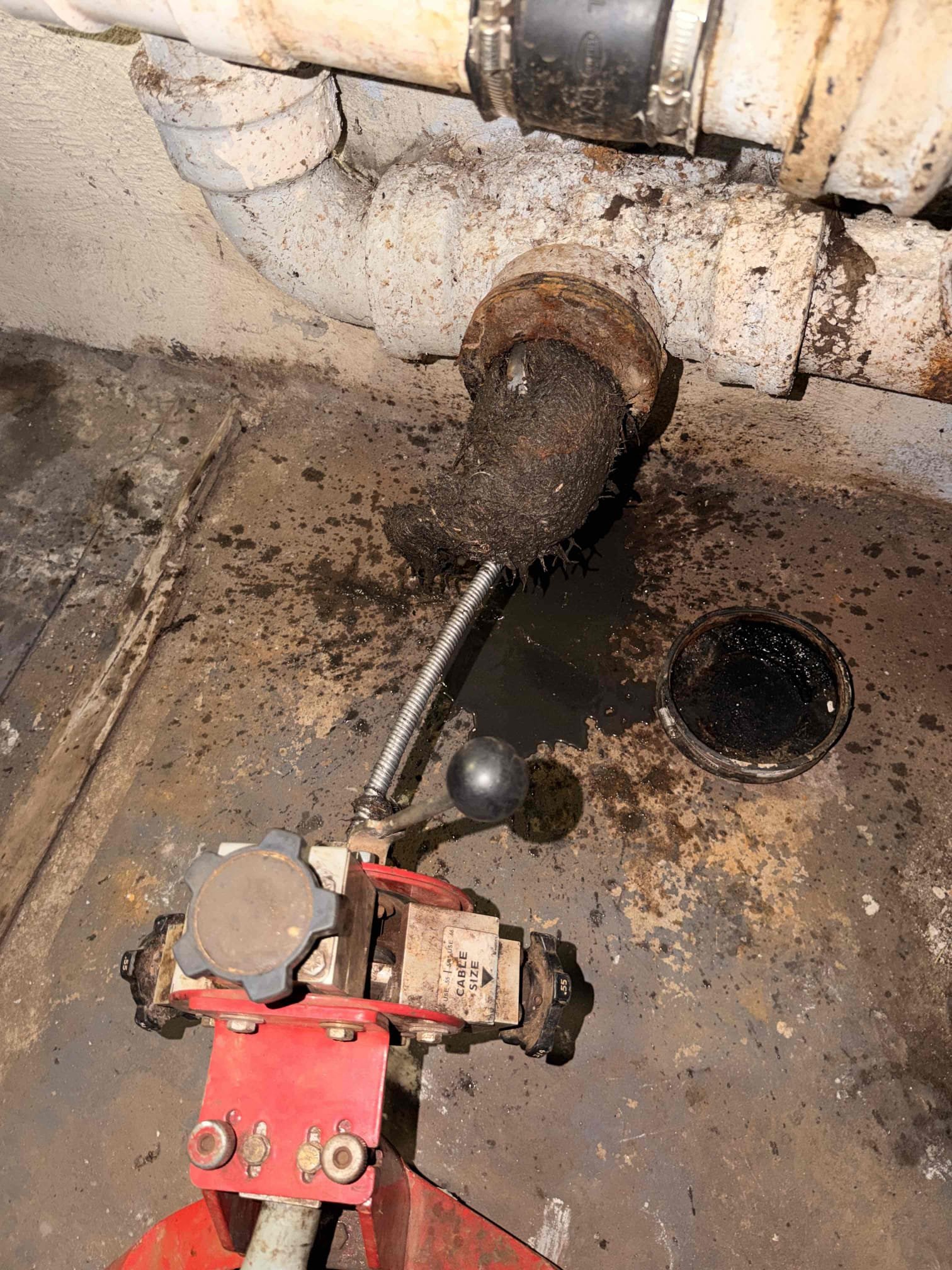
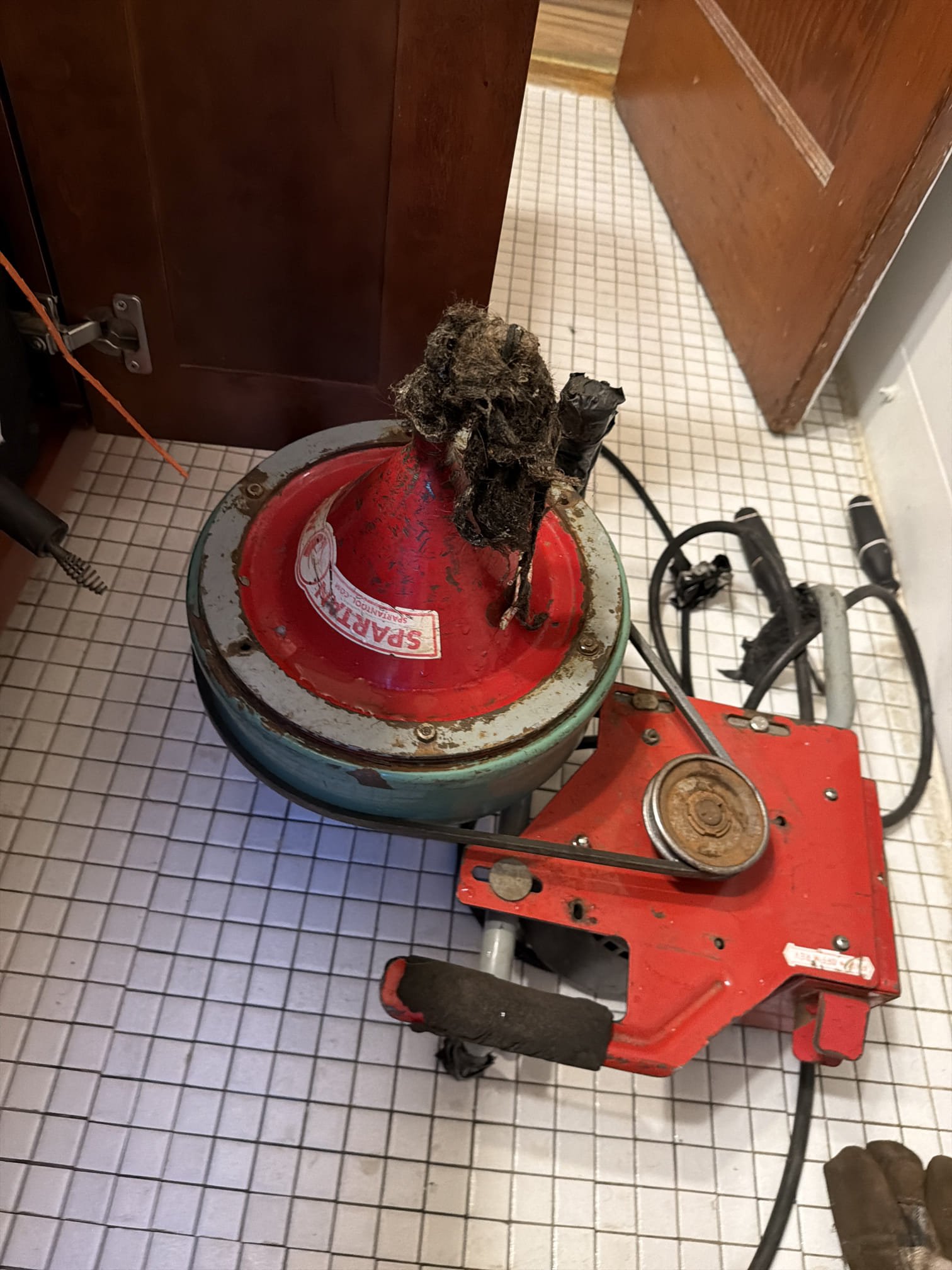
A drain snake — also called an auger — is a long, flexible cable with a cutting head at the end. When a technician feeds it into a drain line, the cable rotates and the head either cuts through, hooks, or breaks up whatever is blocking the pipe. Once there's an opening, water flows through again, the job is marked complete, and the service truck leaves.
Here's what the snake doesn't do: it doesn't clean the pipe.
When a snake clears a blockage, it creates a channel through the obstruction. But the pipe walls on either side of that channel — coated in grease, mineral scale, soap scum, biofilm, and in many cases root debris — stay exactly as they were. That buildup continues to narrow the pipe's effective diameter, and because it's sticky and irregular, it catches new material quickly. The pipe that was "cleared" in May is accumulating a new clog by July because the conditions that created the first one were never addressed.
For a simple, one-time clog with no structural cause (i.e. a child's toy lodged in a toilet, a single grease event in a kitchen sink) snaking is a perfectly reasonable first response. For anything recurring (i.e. anything involving grease buildup or tree roots, or any drain that has been serviced more than once for the same issue) a snake is a temporary measure at best.
What Hydro Jetting Does Differently
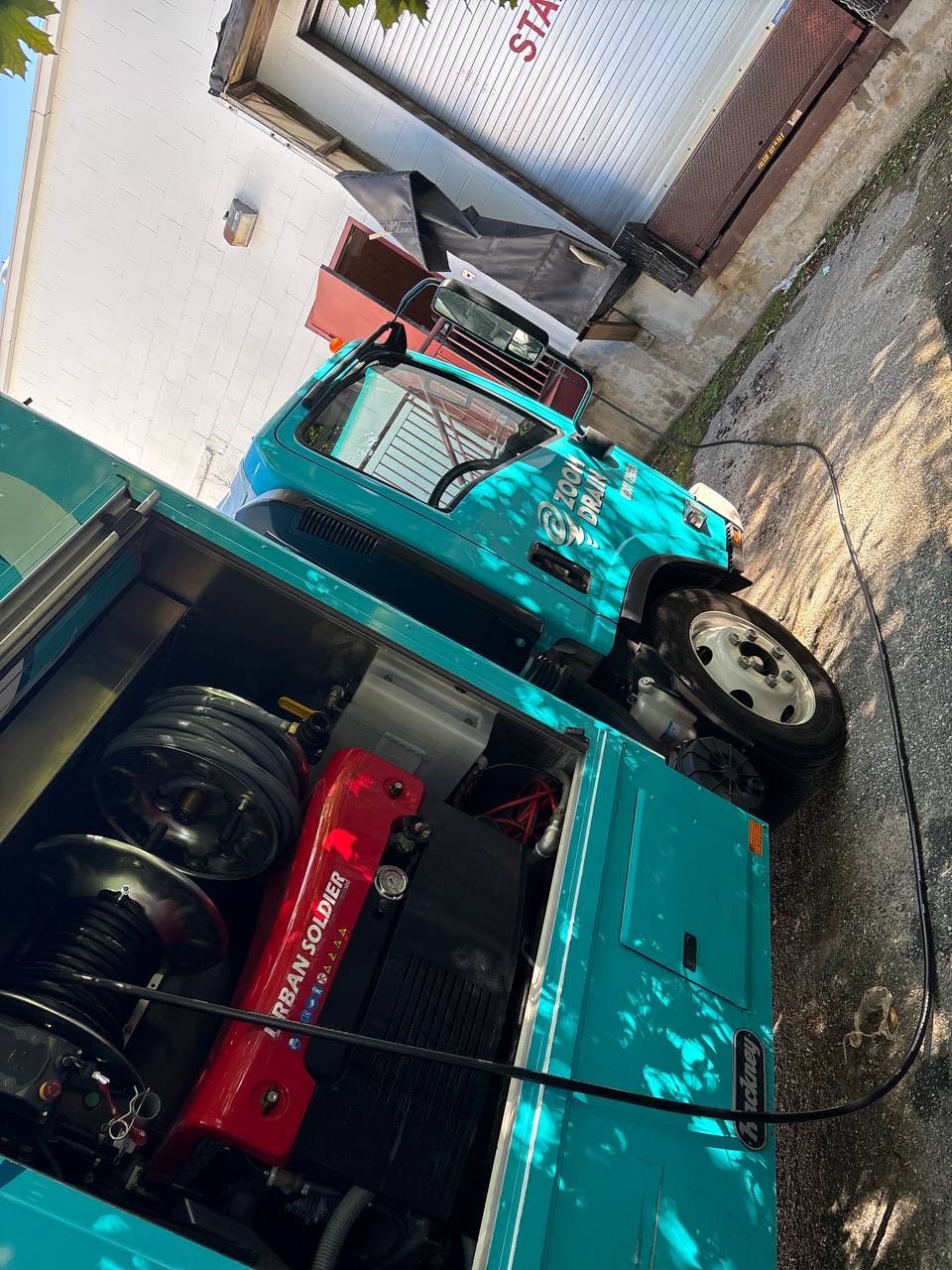
Hydro jetting uses a specialized hose and nozzle to deliver high-pressure water through the drain line — typically between 3,000 and 4,000 PSI, depending on the pipe material and the nature of the blockage. The nozzle is designed to blast forward and backward simultaneously, cleaning the full circumference of the pipe as it moves through the line.
The difference in outcome is significant. Where a snake creates a hole, hydro jetting cleans the walls. Grease that has been building up for years gets stripped away. Mineral scale is blasted loose. Root tendrils clinging to the pipe interior are cut and flushed out. What's left is a pipe that's open across its full diameter, not just punctured through the middle, and with much less surface debris for new material to catch on.
The results last longer, and the time between service calls extends considerably. For homeowners in Pascoag and Harrisville who've been stuck in a repeat-service loop, hydro jetting is often the first thing that actually breaks the cycle.
It costs more than a snake on a per-visit basis. But two or three snake calls a year adds up quickly, both in money and in the wear and frustration of dealing with the same problem repeatedly.
Knowing Which One Your Drain Needs
Not every drain situation calls for hydro jetting, and a good drain specialist doesn't default to the most expensive option. The right call depends on what's actually in the pipe. This is exactly why a camera inspection before any cleaning is the correct starting point. Feeding a camera through the line takes a few minutes and shows everything: the pipe material, the location and nature of any blockage, whether roots are present, and whether there's any structural issue like a crack, offset joint, or belly section that needs attention. That information determines whether a snake is the right tool, whether hydro jetting is warranted, or whether the issue requires something beyond cleaning entirely.
The camera-first approach also means no guessing, no upselling, and no spraying 4,000 PSI into a pipe that can't handle it. Older clay lines, for instance, require a different approach than modern PVC. A drain specialist who looks before they act is one you can trust.
What This Means for Homes in NW Rhode Island Specifically
Homes in Harrisville, Burrillville, Pascoag, and the surrounding towns have a few characteristics that make recurring drain issues — and the hydro jetting solution — especially relevant.
Older pipes accumulate buildup faster. Cast iron corrodes and develops rough interior surfaces that grip grease and mineral deposits. Clay tile can shift and collect material at offset joints. Both materials were standard in homes built before the 1970s, and they behave very differently from the smooth PVC lines in newer construction.
Long drain runs mean more opportunities for buildup. Rural properties with larger lots often have longer pipe runs from the house to the street or septic connection. More pipe means more wall surface for grease and scale to coat, and more places for debris to accumulate between the house and the termination point.
Tree roots are a recurring reality. Much of Burrillville, Foster, and Glocester sits under heavy tree coverage with root systems that have grown alongside residential pipe infrastructure for decades. Hydro jetting clears root intrusion more thoroughly than a snake and slows regrowth more effectively — but on older pipes with open joints, it's worth pairing with a camera inspection to understand whether a longer-term pipe repair is the right investment.
Frequently Asked Questions
Why does my drain keep clogging after being snaked? Because snaking clears an opening through a blockage but doesn't clean the pipe walls. Grease, mineral buildup, and root debris remain attached to the pipe interior, and new material quickly accumulates on top of them. Hydro jetting addresses the underlying buildup, not just the immediate blockage.
Is hydro jetting safe for older pipes? When performed by an experienced technician who has inspected the pipe first with a camera, yes. Hydro jetting pressure and nozzle choice are adjusted based on pipe material and condition. Clay and cast iron lines common in older NW Rhode Island homes require a more careful approach than newer PVC, which is another reason the camera inspection step matters.
How long does hydro jetting last compared to snaking? It varies depending on pipe condition, tree coverage, and usage, but most homeowners see significantly longer intervals between service calls after jetting. In some cases, a well-jetted line with intact pipe walls stays clear for several years.
Can I hydro jet my own drains? Consumer-grade pressure washers don't generate the pressure or the correct nozzle configuration to effectively jet a sewer line. Hydro jetting is a professional service that requires the right equipment and an understanding of your pipe's material and condition before it starts.
Does Zoom Drain serve Harrisville, Pascoag, and Burrillville? Yes. Zoom Drain Rhode Island services all of northwestern Rhode Island, including Harrisville, Pascoag, Burrillville, Foster, Glocester, Scituate, and Chepachet.
Break the Cycle
If you've had the same drain serviced more than once and it keeps slowing down, you haven't had it hydro jetted. The "snake it and hope" cycle is a familiar one in this part of Rhode Island — and it doesn't have to be yours.
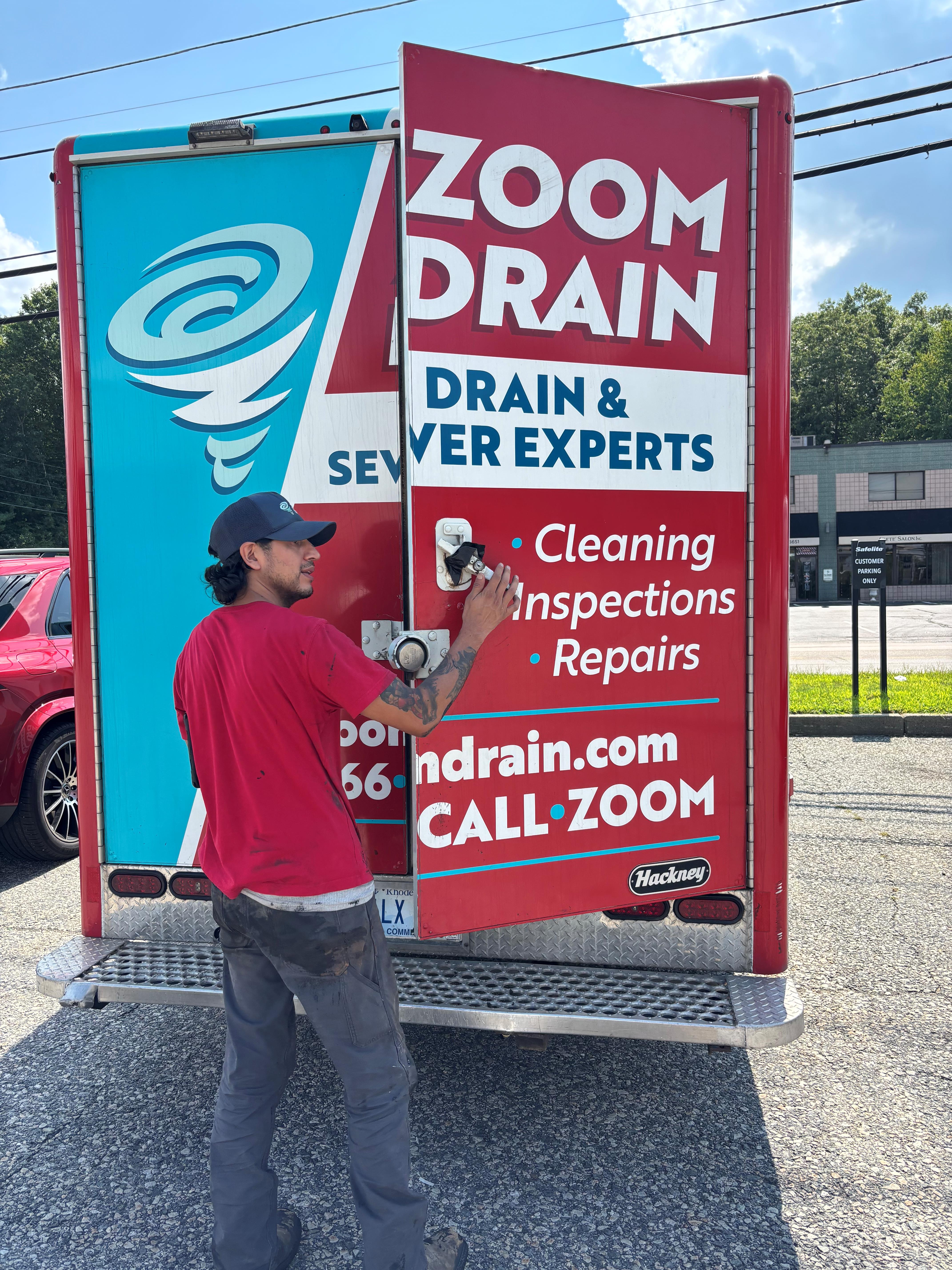
Call Zoom Drain Rhode Island. We'll camera inspect the line first to see exactly what's there, then hydro jet it clean. One call, the right diagnosis, a real fix.
Zoom Drain Rhode Island provides hydro jetting, drain camera inspection, and drain cleaning services throughout northwestern Rhode Island