

The maples, oaks, and sycamores that line the streets of North Providence, Lincoln, and Smithfield are a big part of what makes fall in northern Rhode Island so beautiful. From the tree-lined blocks of Centredale and Fruit Hill to the wooded neighborhoods of Lime Rock, Manville, Greenville, and Georgiaville, mature trees add shade, privacy, and curb appeal.
Underground, those same trees are working hard, and one of their favorite targets is your sewer line. Tree root intrusion is one of the most common causes of main line backups we see across these three towns, and fall is when the problem tends to show up. Here's why it happens, how to spot it early, and what Zoom Drain of Rhode Island does to fix it for good.
Why Tree Roots Go After Sewer Lines
Tree roots don't break pipes on purpose. They grow toward water, oxygen, and nutrients, and a sewer line offers all three. Warm wastewater flowing through the pipe creates condensation on the outside of the line, and roots sense that moisture in the surrounding soil.
A root only needs a hairline crack, a loose joint, or a failing seal to get inside. Once it finds an opening, it sends in fine feeder roots that grow quickly in the nutrient-rich environment. Over months, those roots form a dense mat that fills the pipe, catching toilet paper, grease, and debris until wastewater slows to a trickle or stops completely.
Left alone, roots don't just clog the line. As they thicken, they widen cracks, separate joints, and can eventually crack or collapse the pipe entirely.
Why the Problem Gets Worse in Autumn
Many homeowners are surprised that root problems spike in the fall rather than the spring. There are a few reasons:
- Dry late-summer soil. After a hot, dry stretch of summer, the ground around your home is thirsty. Your sewer line becomes one of the most reliable moisture sources on the property, and roots move toward it aggressively.
- Pre-dormancy growth. Before trees go dormant for winter, they store energy. Root systems stay active well into autumn, even after the leaves change color.
Increased household water use. Fall means more time indoors, more laundry, more showers, and more cooking. A line that's partially blocked by roots is more likely to back up once your household is using more water.
- Freeze timing. A slow line in October can become a full backup in January, when frozen ground makes any sewer work harder.
Why North Providence, Lincoln & Smithfield Homes Are at Higher Risk
Much of the housing in these towns was built in the post-war decades, when clay tile, cast iron, and Orangeburg pipe were common for sewer laterals. Each of those materials has weaknesses that make root intrusion more likely:
- Clay pipe is installed in short sections, which means many joints. Every joint is a potential entry point for roots.
- Cast iron corrodes over time, creating rough interior walls and cracks where roots and debris collect.
- Orangeburg pipe, made from layered wood pulp and pitch, was used from roughly the 1940s through the 1970s. It softens and deforms with age, and roots can push through it easily.
Combine aging pipe with mature trees planted when these neighborhoods were first built, and you have ideal conditions for root intrusion. Homes in Smithfield and Lincoln with large, wooded lots are especially vulnerable, as are older properties in North Providence with street trees growing close to the sewer lateral.
Warning Signs of Tree Roots in Your Sewer Line
Catching root intrusion early makes a big difference. Watch for these signs:
- Gurgling sounds from toilets or drains after flushing or running water
- Slow drains in more than one fixture at the same time
- Water backing up into the lowest drain in the house, usually a basement floor drain or shower
- Toilets that clog frequently or need multiple flushes
- Sewage odors in the basement or yard
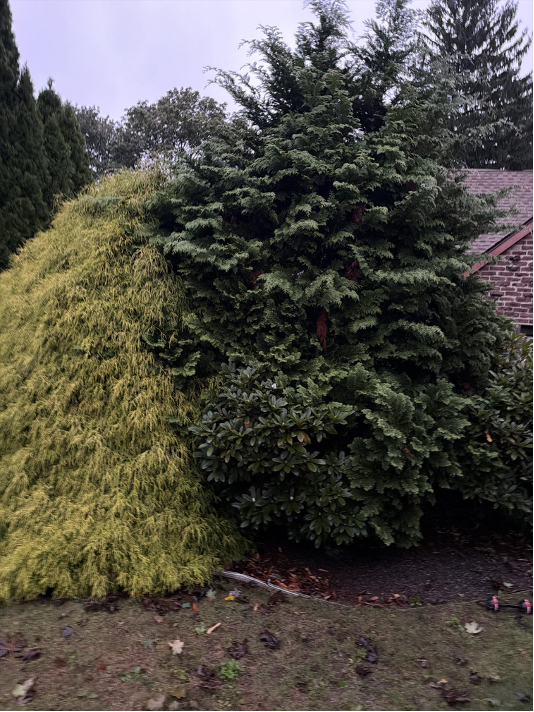
- A patch of unusually green, lush grass over the path of your sewer line
- Sinkholes or soft spots in the yard near the line
If you notice more than one of these at the same time, the problem is likely in your main sewer line rather than a single fixture.
How Zoom Drain Clears Roots From Sewer Lines
Step 1: Video camera inspection
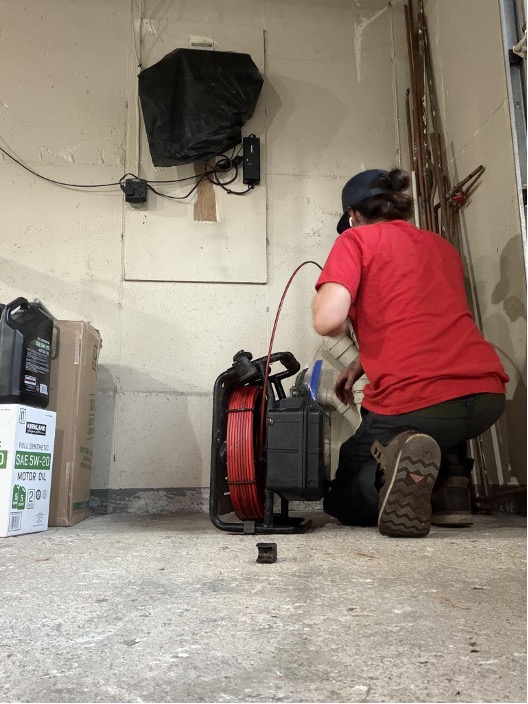
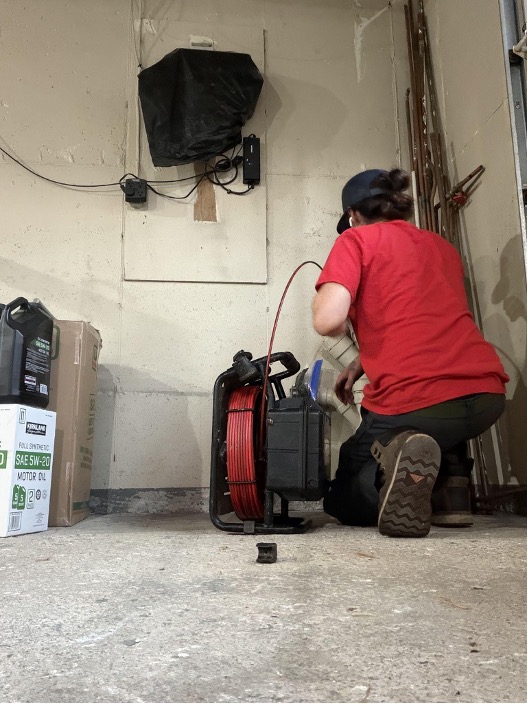
We start with a sewer camera inspection. A high-resolution camera travels through your line so we can see exactly where the roots are coming in, how extensive the growth is, and whether the pipe itself is damaged. You see the footage right alongside our technician, so there's no guesswork.
Step 2: Hydro jetting
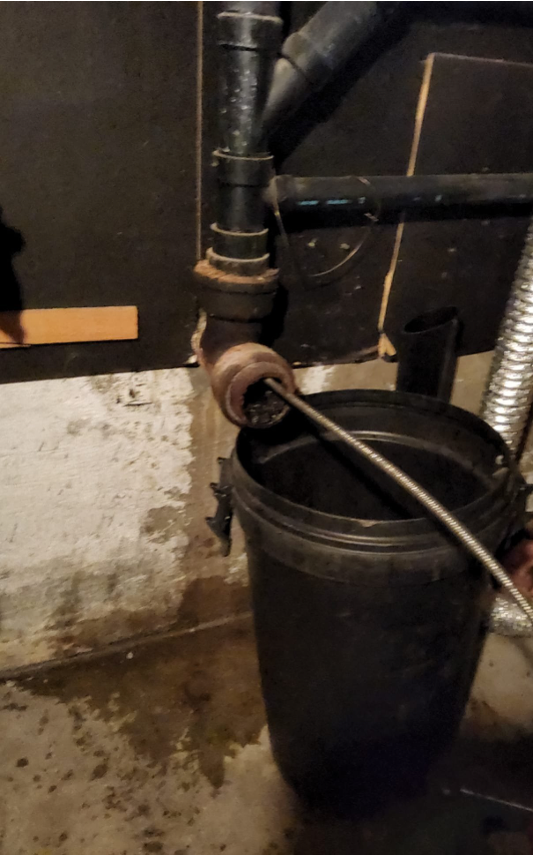
For most root problems, hydro jetting is the most effective solution. High-pressure water cuts through the root mass and scours the pipe walls clean, removing roots along with the grease and debris they trap. A traditional drain snake can punch a hole through a root clog, but it often leaves most of the roots behind to grow back quickly. Hydro jetting restores the pipe much closer to its full diameter.
Step 3: Repair if needed
If the camera shows cracked, separated, or collapsed pipe, cleaning alone won't solve the problem. We'll walk you through your root intrusion repair and sewer repair and replacement options and recommend the fix that makes sense for your line.
Step 4: Ongoing maintenance
For homes with a history of root problems, a planned maintenance program keeps roots from getting a foothold again. Scheduled cleanings clear new growth before it turns into a backup.
How to Reduce Root Problems on Your Property
- Know where your sewer line runs. A camera inspection can locate your line so you can plan landscaping around it.
- Plant smart. Keep new trees and large shrubs well away from the sewer lateral, and choose species with less aggressive root systems near the house.
- Don't ignore slow drains. A slow drain is often the earliest sign of roots. Addressing it quickly prevents bigger problems.
- Schedule regular cleaning. If you've had roots before, they will come back. Routine hydro jetting keeps them under control.
Frequently Asked Questions
Can tree roots really break a sewer pipe?
Yes. Roots usually enter through existing cracks or joints, but as they grow, they widen those openings and can separate joints or crack the pipe further. In older clay and Orangeburg lines, heavy root growth can contribute to a full collapse.
Will chemical root killers fix the problem?
Chemical treatments may slow new growth, but they don't remove the existing root mass or repair the damaged pipe that let roots in. Mechanical removal with hydro jetting, followed by a camera inspection, is a much more reliable approach.
How often should I have my line cleaned if I have tree roots?
It depends on the trees on your property and the condition of your pipe. Many homeowners with recurring root intrusion benefit from scheduled maintenance. Our technicians can recommend a schedule after inspecting your line.
Should I remove the tree?
Not necessarily. In many cases, clearing the roots and addressing the pipe damage solves the problem without removing a healthy tree. We'll help you understand your options.
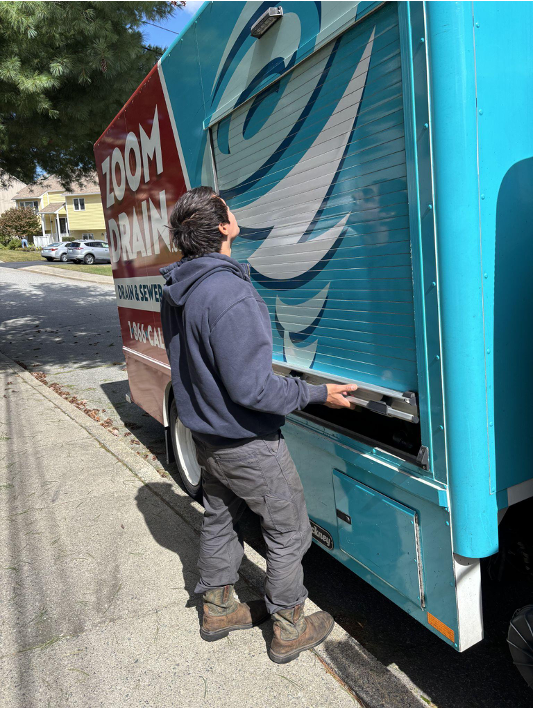
Serving North Providence, Lincoln, Smithfield & Beyond
Zoom Drain of Rhode Island proudly serves homeowners throughout North Providence, including Centredale, Marieville, and Fruit Hill; Lincoln, including Lime Rock, Manville, Albion, Saylesville, and Fairlawn; and Smithfield, including Greenville, Esmond, Georgiaville, and Stillwater. We also serve nearby Johnston, Cumberland, Woonsocket, Providence, and communities across the state. Learn more on our areas we serve page.
Don't wait for a slow drain to become a sewer backup. Call Zoom Drain of Rhode Island at (401) 496-9669 or schedule service online. Our team is available 24/7, 365 days a year, and a real person always answers the phone.